
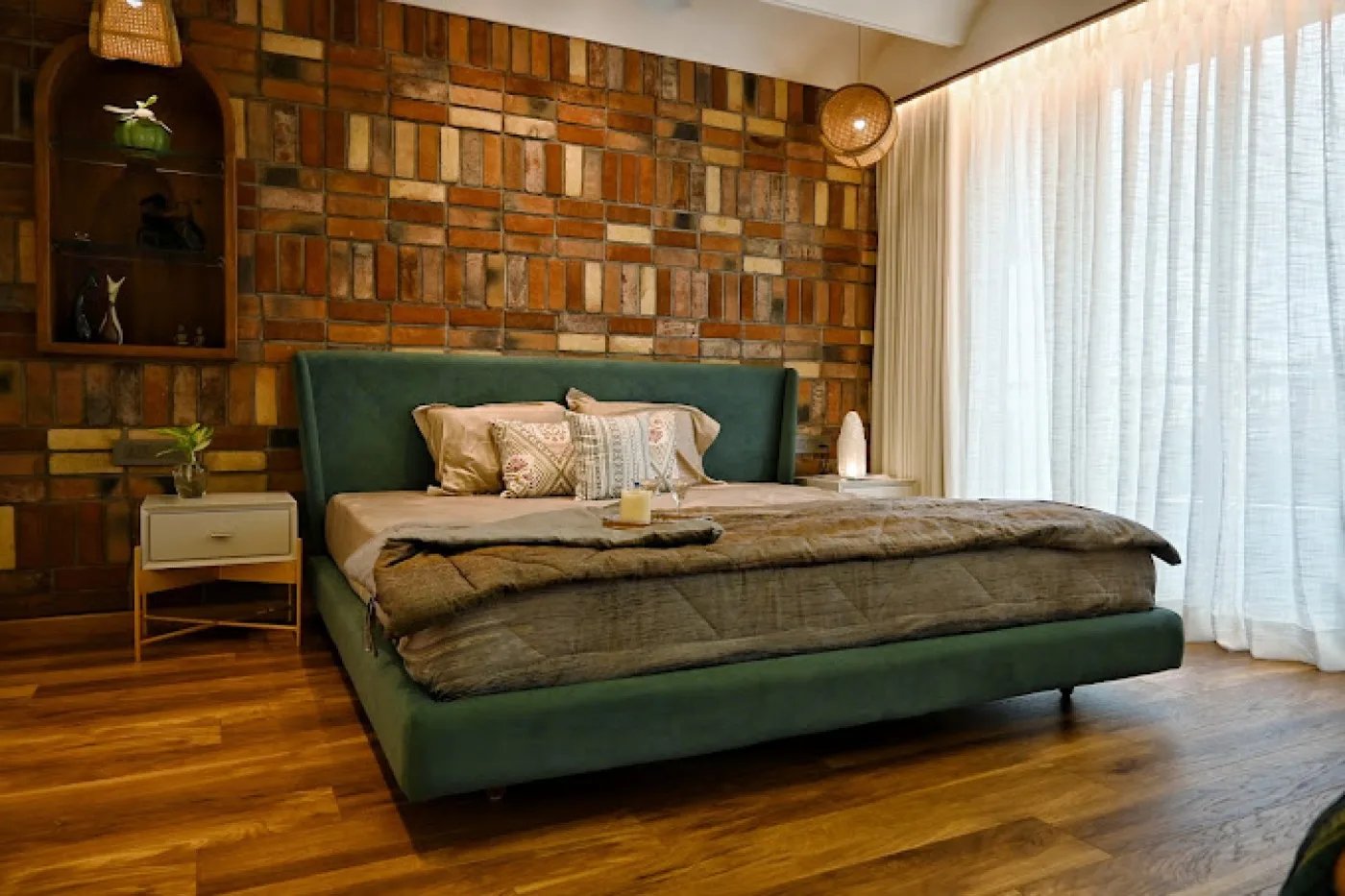
Heritage Bricks offers terracotta brick, brick cladding, linear cladding, and jaali solutions for homeowners, architects, builders, and commercial property developers looking to create beautiful and functional spaces. In a city like Chennai, where buildings face intense sunlight, high humidity, seasonal rainfall, and coastal weather conditions, choosing suitable exterior materials is an important part of architectural planning. Terracotta is a popular option because of its natural clay texture, earthy colours, design versatility, and potential to contribute to well-planned building envelopes. When the right terracotta products are combined with proper installation, ventilation, and weather protection, they can help create attractive exterior spaces suited to Chennai’s climate.
Understanding Chennai’s Hot and Humid Climate
Chennai has a tropical coastal climate, with warm temperatures throughout much of the year. Summer brings strong sunlight and considerable heat, while humidity can make outdoor conditions uncomfortable. Buildings must also withstand seasonal rainfall, moisture exposure, dust, and, in coastal locations, salt-laden air.
These environmental conditions can affect the appearance and performance of building exteriors. Painted walls may require periodic repainting, poorly detailed façades can develop moisture-related problems, and inadequately ventilated spaces may become uncomfortable during hot weather.
Choosing building materials should therefore involve more than colour and appearance. Homeowners and architects should consider heat gain, water management, surface durability, maintenance requirements, and the overall performance of the wall assembly.
Terracotta offers an interesting solution for projects where natural aesthetics and thoughtful exterior design are equally important. It can be incorporated into façades, feature walls, decorative screens, and selected architectural details.
1. Natural Clay Aesthetics for Modern Chennai Homes
One of the biggest advantages of terracotta is its natural appearance. Its earthy shades, subtle colour variations, and distinctive surface textures bring warmth and character to a building.
Unlike finishes that depend entirely on applied colour, terracotta products can provide an architectural finish based on the natural appearance of fired clay. Depending on the product, homeowners can choose red, brown, pink, charcoal-toned, and other earthy finishes.
Terracotta works particularly well with the materials commonly used in modern Indian architecture, including:
- Cream and off-white exterior walls
- Exposed concrete and stone
- Wooden doors and architectural screens
- Large glass windows
- Landscaped courtyards and garden pathways
- Neutral-coloured flooring and outdoor seating areas
For example, a contemporary villa in Chennai can feature terracotta cladding around the entrance while retaining a simple cream exterior elsewhere. This creates a focal point without making the overall design feel too busy.
Terracotta is also suitable for commercial buildings where the exterior needs to look distinctive and welcoming. Offices, cafés, hotels, retail spaces, and restaurants can use clay-based finishes to introduce warmth into otherwise modern architectural designs.
2. Can Terracotta Help Keep Buildings Cooler?
Heat management is a major concern for Chennai homeowners. Direct sunlight heats exposed walls and roofs, and some of that heat can transfer indoors depending on the construction and thermal properties of the building.
Terracotta products can contribute to a well-designed building envelope, but their performance depends on how they are used.
For example, an appropriately designed terracotta cladding system may include a ventilated cavity between the outer cladding and the backing wall. When correctly detailed, this arrangement can help manage heat transfer and moisture, depending on the system design and environmental conditions.
The performance of a building also depends on:
- Wall thickness and construction materials
- Insulation and thermal properties
- Roof design and roof insulation
- Window size and orientation
- External shading devices
- Cross-ventilation and airflow
- The direction and duration of direct sunlight
A terracotta finish alone cannot guarantee a cooler home. However, when used as part of a climate-responsive architectural design, it can contribute to a building that balances appearance with thermal performance.
For Chennai properties exposed to afternoon sunlight, architects can consider combining terracotta exterior elements with shaded windows, verandas, appropriate insulation, and carefully planned openings.
3. Why Terracotta Cladding Is Suitable for Exterior Walls
Exterior walls are continuously exposed to changing weather conditions. In Chennai, they may experience strong sunlight during the day and heavy rainfall during the monsoon season.
Terracotta brick cladding is a popular design choice for adding texture and visual depth to exterior walls. It can create an exposed-brick appearance without requiring the entire wall to be constructed from exposed structural brickwork.
Depending on the product and installation system, terracotta cladding can be used for:
- Main entrance walls
- Front elevations of independent houses
- Balcony feature walls
- Exterior columns and selected façade sections
- Compound walls
- Outdoor dining and seating areas
- Commercial building entrances
- Reception areas and architectural highlights
One practical advantage is design flexibility. Instead of applying terracotta across the entire building, homeowners can use it selectively to highlight important architectural features.
For instance, a modern home could combine terracotta cladding around the entrance with a light-coloured plaster finish on the remaining exterior walls. This approach creates contrast while keeping the design balanced.
However, not every terracotta product is suitable for every exterior application. Before installation, check the product's intended use, water absorption characteristics, fixing requirements, jointing details, and compatibility with the supporting wall.
Proper installation is essential for reducing the risk of loose units, water penetration, and moisture-related damage.
4. Terracotta Jaali for Ventilation, Privacy, and Filtered Light
Terracotta jaali is particularly useful when a building needs a combination of privacy, natural light, and visual interest.
A jaali is a patterned screen containing openings that allow air and light to pass through. Terracotta versions introduce the warmth of natural clay while creating distinctive patterns on walls and façades.
In Chennai, terracotta jaali can be considered for:
Balconies: A jaali screen can provide a degree of visual privacy while allowing airflow through the openings.
Staircases: Decorative screens can introduce filtered daylight into stairwell areas and make otherwise plain walls more interesting.
Courtyards: Terracotta jaali can help define semi-open spaces while maintaining a connection with the outdoors.
Verandas: Screens can create a transition between indoor and outdoor living areas.
Building façades: Patterned terracotta screens can become a distinctive architectural feature for residential and commercial buildings.
The performance of a jaali depends on its opening size, orientation, location, and surrounding design. A well-positioned screen can support ventilation, but it will not automatically provide effective cooling in every situation.
Rain exposure, structural support, fixing methods, and cleaning access should also be considered during installation.
For homeowners who want something more distinctive than a conventional solid wall, terracotta jaali offers an opportunity to combine function with decorative design.
5. How Terracotta Performs During Chennai’s Monsoon Season
Rainfall and moisture management are important considerations when selecting exterior materials for Chennai buildings.
Terracotta is a fired-clay material, but its resistance to water varies according to its manufacturing process, porosity, water absorption, and product specifications. It should not automatically be treated as a waterproof material.
During the monsoon season, the overall wall system plays a major role in protecting the building. Poorly designed joints, inadequate drainage, defective flashing, and water trapped behind cladding can create problems even when the visible exterior finish is durable.
To improve the reliability of a terracotta-clad exterior, consider the following measures:
- Choose a product specifically suitable for the intended exterior application.
- Follow the manufacturer's installation instructions.
- Provide appropriate joints and movement allowances where required.
- Ensure rainwater drains away from the façade.
- Use suitable flashing and weather detailing around windows and openings.
- Prevent moisture from becoming trapped behind the cladding.
- Inspect the exterior periodically, especially after heavy rainfall.
Buildings near the coast may also require additional attention to salt exposure and the durability of metal fixings.
With proper product selection and installation, terracotta can be a valuable component of an attractive exterior design. Its long-term performance depends on the complete system rather than appearance alone.
8. Does Terracotta Require a Lot of Maintenance?
Maintenance is an important consideration for homeowners who want their building exterior to remain attractive for many years.
Terracotta does not necessarily require frequent repainting like a painted surface, but that does not mean it is completely maintenance-free.
The amount of maintenance depends on the product's finish, exposure to pollution and rain, installation method, and the details of the supporting wall.
Simple maintenance practices include:
- Inspecting the surface periodically for cracks or damage.
- Checking joints and fixings where applicable.
- Removing dust and surface dirt using a suitable cleaning method.
- Checking drainage paths after heavy rainfall.
- Addressing moisture stains or loose cladding promptly.
- Following the manufacturer's advice before applying cleaning agents or sealants.
In areas exposed to road dust or coastal conditions, more frequent inspection may be useful.
It is important not to apply sealants or harsh cleaning products without confirming compatibility with the terracotta product. Incorrect treatments can change the appearance of the surface or affect its performance.
For homeowners planning a new project, asking about cleaning recommendations and long-term maintenance before purchase can help avoid unexpected expenses.
9. Terracotta for Villas, Apartments, and Commercial Buildings
Terracotta can be incorporated into different architectural styles depending on the product format and design.
Independent Houses and Villas
Terracotta cladding can be used around entrance walls, balconies, porch columns, and selected exterior sections. Pairing it with light plaster, glass, timber, or stone creates a balanced contemporary appearance.
Apartment Buildings
Architects can use terracotta on selected façade sections to introduce texture and visual distinction. The design should account for the building's height, fixing system, access for maintenance, and local weather exposure.
Offices and Commercial Spaces
Terracotta can create a welcoming entrance or a distinctive façade for offices, retail outlets, cafés, and restaurants. Its natural tones can complement both modern and traditional design concepts.
Courtyards and Semi-Outdoor Spaces
Terracotta jaali screens and selected cladding elements can help define courtyards, verandas, and transitional spaces. Their placement should consider daylight, airflow, privacy, and rain protection.
Renovation Projects
Terracotta can be used to update an existing exterior without redesigning every wall. However, the condition of the existing substrate, additional wall loads, moisture issues, and fixing compatibility should be assessed before installation.
These applications show why terracotta is not limited to one architectural style. It can be used as a subtle accent or as a more prominent part of the building's visual identity.
10. How to Choose the Right Terracotta Product for Chennai
Selecting the right product requires more than choosing a colour from a catalogue. The product must suit the location, installation method, and design requirements.
Before purchasing terracotta products, consider these factors:
1. Intended application: Decide whether the product is for exterior cladding, an interior feature wall, a jaali screen, or another architectural use.
2. Product specifications: Ask about dimensions, water absorption, strength, finish, and suitability for the intended exposure.
3. Colour and texture: Review physical samples in natural daylight because clay colours can look different under different lighting conditions.
4. Installation requirements: Confirm whether the product uses adhesive bonding, mechanical fixing, mortar, or another specified installation method.
5. Weather detailing: Check how joints, openings, drainage, and water protection will be managed.
6. Total project cost: Compare the material price with installation, accessories, labour, wastage, and maintenance.
7. Supplier guidance: Choose a supplier who can provide relevant product information and clarify the intended application.
For Chennai properties, it is especially important to discuss exposure to direct sunlight, monsoon rain, humidity, and, where relevant, coastal conditions before finalising the material.
11. Why Choose Heritage Bricks for Terracotta Solutions?
Heritage Bricks offers terracotta products for a range of architectural applications, including brick finishes, cladding, linear cladding, and decorative jaali designs.
For architects and homeowners planning a project in Chennai, selecting products that match the intended application and architectural style is an important first step.
Heritage Bricks' product collections can be explored when considering:
- Natural clay finishes for exterior feature walls.
- Brick-inspired textures for modern residential façades.
- Linear cladding for contemporary architectural designs.
- Terracotta jaali for decorative screens and semi-open spaces.
- Different colour and texture combinations for residential and commercial projects.
When choosing a product, confirm its technical specifications, exterior suitability, installation requirements, and maintenance recommendations with the supplier.
A well-planned material selection process helps ensure that the finished façade meets both aesthetic expectations and practical building requirements.
Frequently Asked Questions About Terracotta in Chennai
Is terracotta suitable for Chennai's hot climate?
Terracotta can be used in Chennai homes and commercial buildings as cladding, decorative screens, and other architectural elements. Its contribution to thermal performance depends on the product and the complete building design, including insulation, shading, and ventilation.
Does terracotta keep a house cool?
Terracotta alone does not guarantee a cooler house. A properly designed wall system, suitable insulation, roof treatment, external shading, and effective ventilation are important for reducing heat gain and improving indoor comfort.
Is terracotta waterproof?
Terracotta should not automatically be considered waterproof. Water absorption varies by product, and exterior performance depends on installation, joints, drainage, and weather detailing.
Can terracotta cladding be used on exterior walls?
Yes, products designed for exterior cladding can be used on suitable building façades. Buyers should confirm the product specifications, compatible fixing method, substrate condition, and exposure requirements before installation.
Is terracotta jaali useful for Chennai homes?
Terracotta jaali can provide decorative screening, partial visual privacy, and openings for airflow and filtered daylight. Its effectiveness depends on screen design, orientation, placement, and weather protection.
Is terracotta better than exterior paint?
The choice depends on the project. Paint is useful for economical, colour-focused wall finishes, while terracotta provides natural texture and architectural depth. The initial cost and maintenance requirements are different.
Does terracotta fade in sunlight?
The appearance of terracotta depends on its clay composition, manufacturing process, finish, and exposure. Ask the supplier for product-specific information about colour consistency and long-term weathering.
Is terracotta suitable for coastal areas near Chennai?
It may be suitable when the selected product and installation system are designed for the site's exposure conditions. Coastal projects should pay particular attention to salt exposure, fixings, drainage, and moisture management.
How can I maintain terracotta exterior walls?
Inspect the surface and joints regularly, remove dirt using suitable cleaning methods, and address any water-related issues promptly. Follow the manufacturer's guidance for cleaning and repairs.
Where can I find terracotta cladding and jaali products?
You can explore terracotta products and architectural cladding options through Heritage Bricks at https://www.heritagebricks.in/. Confirm product availability, technical specifications, and suitability for your project directly with the supplier.
Build Better Spaces with Heritage Bricks
Chennai's hot and humid climate makes thoughtful material selection an important part of building design. Terracotta offers natural colours, distinctive textures, and versatile applications for exterior walls, architectural screens, feature façades, and contemporary residential and commercial spaces.
Its performance depends on choosing the right product and combining it with suitable installation, drainage, weather detailing, and climate-responsive design. When these factors are considered together, terracotta can contribute to a building that balances visual appeal with practical requirements.
If you are planning a new home, renovating an exterior, or exploring terracotta jaali and cladding for a commercial project, discover the available options from Heritage Bricks and choose a solution that complements your design.
Contact Heritage Bricks
Website: https://www.heritagebricks.in/
Phone: +91 99402 75111
Head Office
No. 106-1A2, Sivabhootham Village, Vanagaram, Maduravoyal, Vanagaram, Tamil Nadu – 600095.
Office Operated
No. 80, Sarjapura Main Road, Sulikunte, Dommasandra, Bengaluru – 562125.
Related Posts
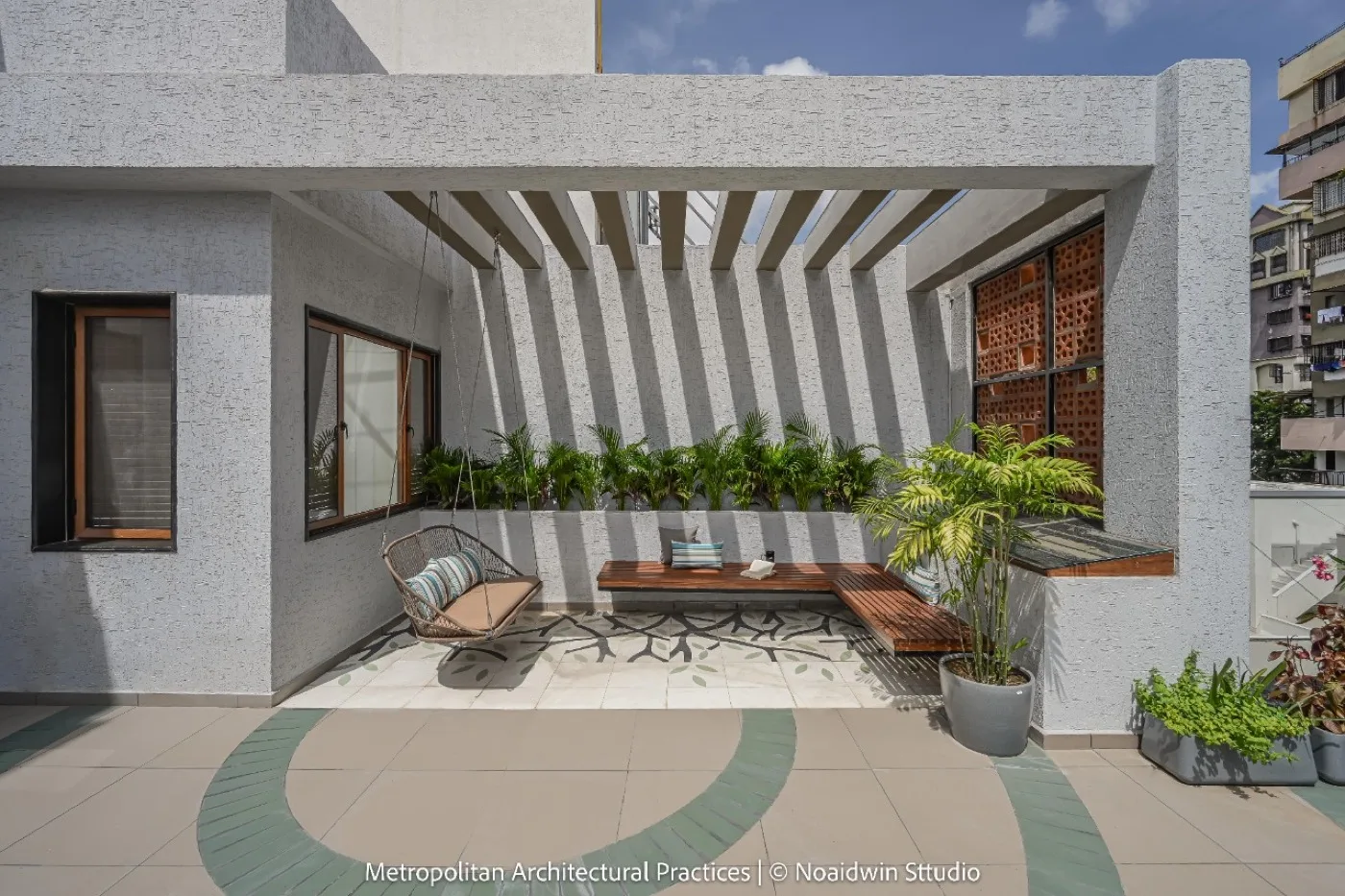
Terracotta Jaali Designs for Compound Walls & Balconies
Explore terracotta jaali designs for compound walls and balconies, including modern geometric patterns, traditional Indian screens, and stylish exterior ideas. Learn about ventilation, privacy, installation tips, maintenance, and cost factors for Chennai homes with Heritage Bricks.
Read More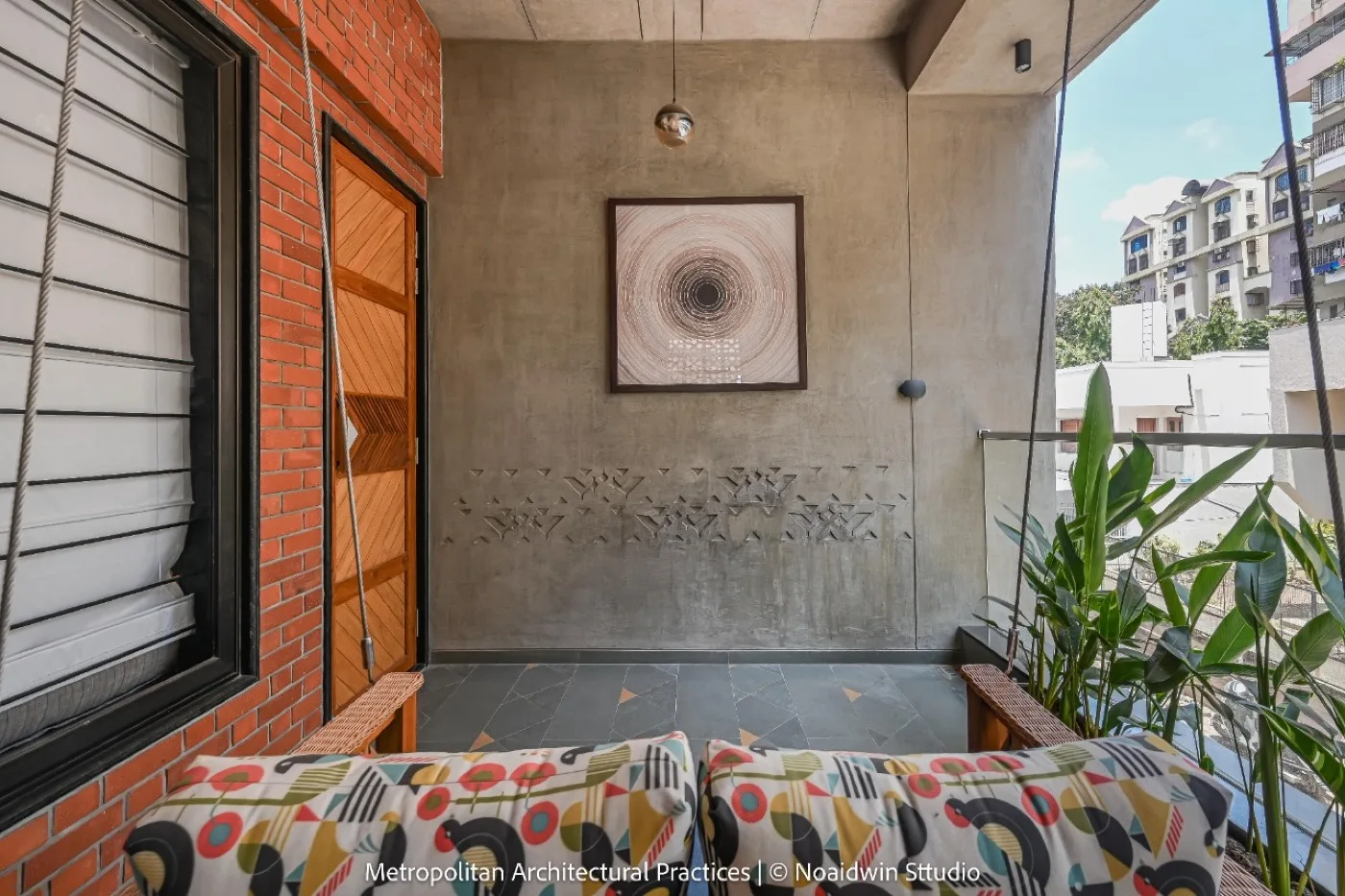
Terracotta Cladding vs Wall Tiles: Which Is Better for Chennai Weather?
Compare terracotta cladding vs wall tiles with Heritage Bricks. Discover which exterior finish suits Chennai's heat and monsoon, with cost factors, maintenance tips and modern home design ideas.
Read More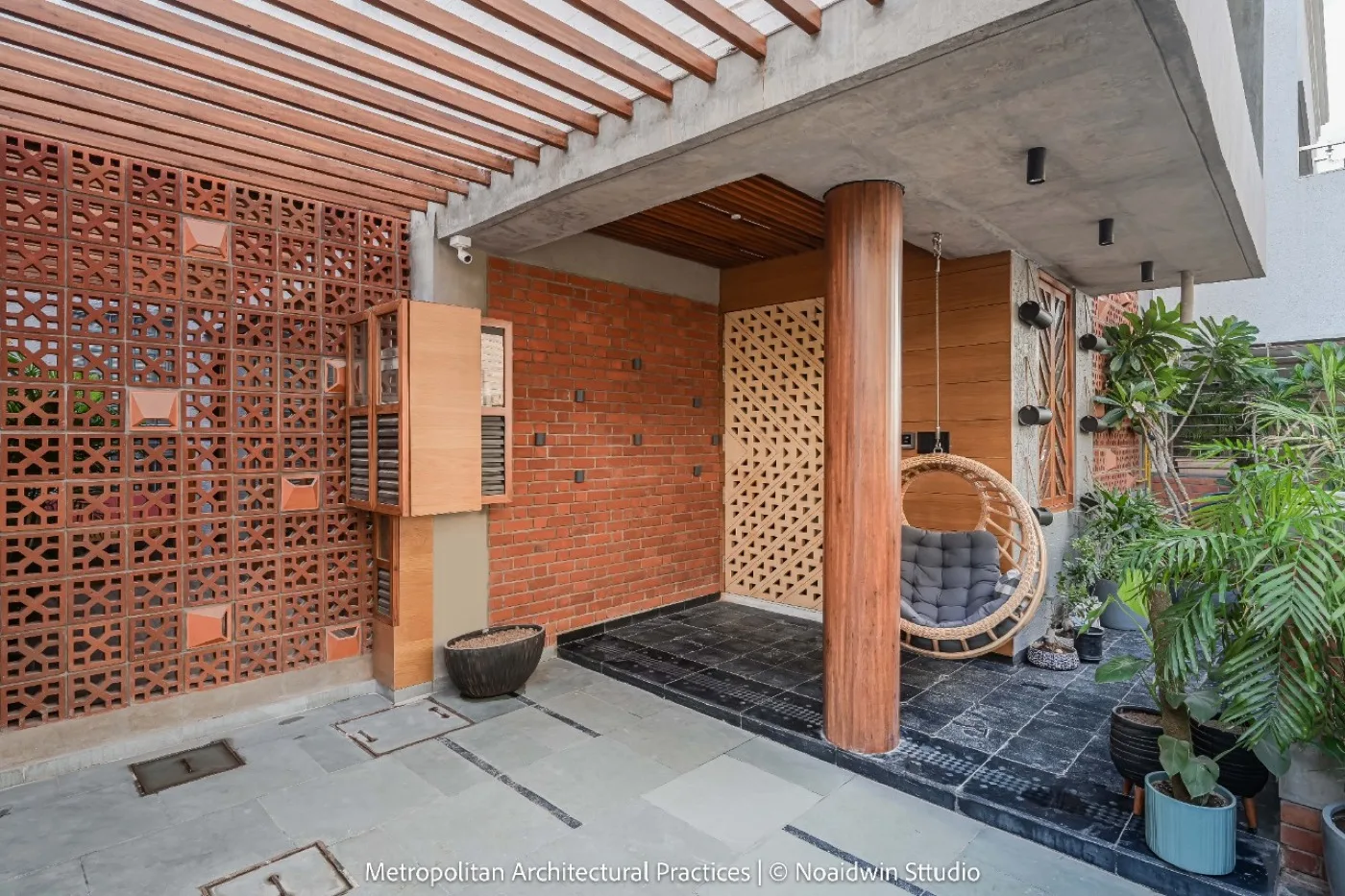
Chettinad-Style Homes: Using Terracotta & Brick in Modern Chennai Houses
Discover how to bring traditional Chettinad architecture into modern Chennai homes using terracotta tiles, exposed brick walls, decorative jaali screens, and natural materials. Explore design ideas for living rooms, house front elevations, courtyards, and exterior facades with Heritage Bricks.
Read More