
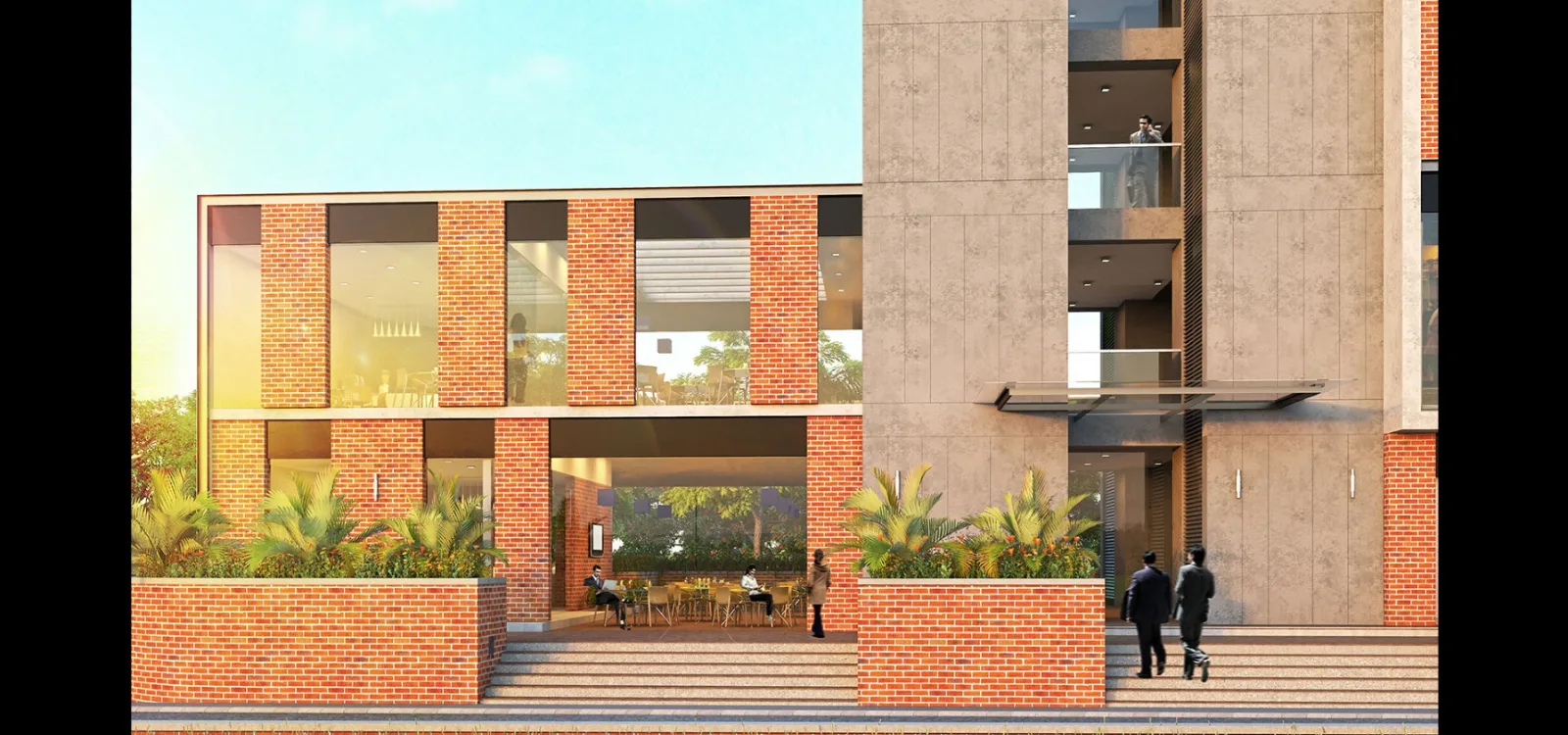
Choosing the right exterior cladding is essential for homes along Chennai’s East Coast Road (ECR) and Old Mahabalipuram Road (OMR), where salty sea air, humidity, heavy monsoon rain, and intense sunlight can affect building materials. Heritage Bricks helps homeowners, architects, and builders explore brick cladding and other architectural materials that combine natural beauty with practical performance. Whether you are designing a coastal villa, a modern apartment, or an independent house near the shoreline, selecting suitable cladding can help maintain the appearance and durability of your exterior.
Why Coastal Homes in ECR and OMR Need Special Cladding
Coastal areas around Chennai experience environmental conditions that differ from inland locations. Buildings closer to the sea may be exposed to airborne salt, moisture, strong sunlight, and wind-driven rain.
These conditions can affect exterior finishes in several ways:
- Salt exposure: Salt deposits can accumulate on exterior surfaces and contribute to the deterioration of certain materials and metal components.
- High humidity: Persistent moisture can encourage algae, mould, and surface staining.
- Heavy rainfall: Water entering cracks, joints, or poorly detailed cladding systems can cause dampness and damage.
- Strong sunlight: UV exposure and temperature changes can affect colours, coatings, sealants, and surface finishes.
- Wind-driven sand: Coastal wind can gradually wear down exposed surfaces and finishes.
The right cladding material, combined with proper installation, drainage, and maintenance, helps address these challenges.
Best Cladding Materials for Coastal Homes in Chennai
1. Brick Cladding for a Natural, Timeless Exterior
Brick cladding is a popular option for homeowners who want a warm, textured exterior without relying entirely on painted finishes. Red brick, earthy terracotta tones, and contemporary brick patterns can complement modern villas, duplex houses, and coastal-inspired architecture.
Why consider brick cladding?
- Creates a natural, textured appearance.
- Complements concrete, glass, timber-look finishes, and landscaped gardens.
- Can be used on feature walls, entrance areas, boundary walls, and selected facade sections.
- Offers a distinctive alternative to plain painted exterior walls.
For homes along ECR and OMR, brick cladding should be selected as part of a suitable exterior wall system. Use products specifically appropriate for exterior applications, with compatible adhesives or mechanical fixings where required, weather-resistant joints, and proper moisture management. The wall assembly must allow water to drain or dry as intended.
Brick cladding is not automatically salt-proof or waterproof. Product suitability depends on the brick type, installation system, exposure level, and maintenance requirements.
2. Terracotta Cladding for Earthy Coastal Architecture
Terracotta cladding is well suited to homes that feature natural materials and warm colours. Its earthy red, orange, and brown shades work well with contemporary coastal architecture and traditional Indian design elements.
Key design benefits:
- Adds natural colour and surface texture.
- Complements exposed brick, concrete, and greenery.
- Can be used for facade highlights, entrance walls, balcony features, and decorative screens.
- Works with both minimalist and traditional architectural styles.
For coastal buildings, check the manufacturer's specifications for water absorption, exterior exposure, fixing methods, and resistance to weathering. Terracotta products vary, so not every tile or panel is suitable for every exterior application.
3. Porcelain Cladding for a Contemporary Finish
Porcelain panels and tiles are another option for modern homes seeking a clean, refined exterior. Depending on the product, porcelain can offer low water absorption and good resistance to staining.
Advantages include:
- Available in stone, concrete, and other decorative finishes.
- Offers a contemporary appearance.
- Many exterior-grade products have low water absorption.
- Can be used on feature facades and selected outdoor walls.
For coastal projects, confirm that the chosen product is rated for exterior use and that the complete fixing system is suitable for wind loads, moisture exposure, and the building's height. Large-format panels require careful engineering and professional installation.
4. Natural Stone Cladding for Premium Coastal Homes
Natural stone can give villas and premium residences a distinctive, long-lasting architectural appearance. Granite and other suitable stones may be considered for exterior applications, depending on their properties and the exposure conditions.
Benefits:
- Provides natural variations in colour and texture.
- Creates a premium finish for entrance walls and facade features.
- Can complement brick, concrete, and glass.
- Some stone types offer excellent durability when correctly selected and installed.
Stone is not maintenance-free. Porosity, mineral composition, staining, salt exposure, and the compatibility of sealers can vary significantly. Ask for material-specific guidance before using natural stone near the coast.
5. Fibre Cement Cladding for Modern Facades
Exterior-grade fibre cement boards and panels are used in contemporary architecture for their versatility and range of finishes. They can create smooth, linear, or timber-look designs.
Potential benefits:
- Supports clean, modern facade designs.
- Can be used with ventilated rainscreen systems.
- Offers a range of colours and textures.
- Can reduce reliance on conventional exterior paint as the primary decorative finish.
Select panels approved for the intended exterior exposure and follow the manufacturer's requirements for framing, corrosion-resistant fasteners, expansion gaps, joint detailing, and edge protection. Coastal installations need particular attention to metal components because salt-laden air can accelerate corrosion.
6. Exterior-Grade Render and Paint Systems
A well-designed rendered facade with a suitable exterior coating can also be a practical option for coastal homes. It is often used alongside brick or stone cladding to balance material costs and create a cohesive design.
Advantages:
- Provides a simple, seamless appearance.
- Offers a wide range of colours.
- Works well with contemporary and traditional designs.
- Allows homeowners to combine painted surfaces with brick or terracotta feature walls.
Choose coatings designed for the substrate and local weather conditions. Surface preparation, crack control, waterproofing details, and periodic maintenance are important for long-term performance.
Comparison of Cladding Materials for ECR and OMR Homes
Cladding materialVisual styleImportant coastal consideration
Brick cladding | Natural, warm, timeless | Moisture detailing, compatible fixing system, and cleaning
Terracotta cladding | Earthy, traditional, contemporary | Product-specific water absorption and exterior suitability
Porcelain panels or tiles | Modern, sleek | Exterior rating, secure fixing, and wind-load design
Natural stone | Premium, organic | Stone porosity, staining, salt exposure, and anchoring
Fibre cement panels | Minimal, modern | Corrosion-resistant fixings, joints, and ventilation
Exterior render and paint | Clean, versatile | Crack prevention, coating compatibility, and maintenance
The best choice depends on the home's distance from the sea, exposure to wind and rain, building height, budget, preferred appearance, and maintenance plan.
Is Brick Cladding Suitable for Houses Near the Sea?
Brick cladding can be suitable for coastal homes when the selected product and installation system are designed for the site's exposure conditions. However, the term “brick cladding” covers different products, including thin brick slips, brick tiles, and other facade systems.
Before choosing a product, check:
- Whether it is specifically approved for exterior use.
- Its water absorption and weathering characteristics.
- The compatibility of the adhesive, grout, sealant, or mechanical fixing system.
- How water will drain away from the cladding and wall.
- Whether movement joints and openings are detailed correctly.
- How the surface should be cleaned and maintained.
For buildings directly exposed to sea spray, obtain product-specific advice from the manufacturer or a qualified facade professional. Do not assume that a material is suitable for marine exposure simply because it is commonly used outdoors.
Design Ideas for Coastal Homes on ECR and OMR
Red Brick and White Concrete
Combine red brick cladding with white or light-coloured concrete surfaces for a balanced modern facade. This pairing works well for independent houses, duplexes, and villas.
Terracotta Screens for Balconies
Decorative terracotta jaali panels can introduce pattern and filtered light. Their privacy and ventilation benefits depend on the design, orientation, and placement. Ensure that the screen and its supports are designed for coastal wind conditions.
Brick Feature Walls with Glass Railings
Brick feature walls can add warmth to a facade dominated by glass and concrete. Use appropriate exterior-grade materials and ensure that balcony drainage and metal fittings are suitable for the environment.
Stone and Brick Combination
Use stone on selected entrance or ground-floor sections and brick cladding on upper facade features. Limiting the number of materials can help maintain a coordinated appearance.
Neutral Panels with Terracotta Accents
Light neutral panels combined with terracotta details create a contemporary coastal look without making the facade visually heavy. This approach can work well for apartment buildings and modern villas.
How to Protect Exterior Cladding from Salt Air
Choosing the right material is only one part of protecting a coastal facade. Installation quality and routine care are equally important.
- Use corrosion-resistant hardware: Specify fasteners, brackets, and connectors suitable for the actual coastal exposure. Standard metal components may corrode more quickly in salt-laden air.
- Detail joints carefully: Seal and detail openings, edges, and transitions according to the cladding system's requirements.
- Manage rainwater: Provide suitable drainage, drip edges, flashings, and other details that prevent water from becoming trapped behind the facade.
- Inspect the exterior regularly: Look for loose panels, damaged joints, cracks, rust stains, and signs of moisture entry.
- Clean using approved methods: Remove salt deposits and surface dirt using methods recommended for the selected material. Avoid harsh chemicals that can damage finishes.
- Maintain surrounding metalwork: Inspect balcony railings, window frames, brackets, and other exposed metal components for corrosion.
A ventilated rainscreen system may be appropriate for some cladding types, but it must be designed with suitable drainage, ventilation, fire safety, and wind resistance. It is not a substitute for correct waterproofing and facade detailing.
How Much Does Exterior Cladding Cost in Chennai?
Cladding costs in Chennai vary according to material, product quality, design complexity, wall condition, installation method, and site accessibility. Coastal locations may also require more durable fixings, additional detailing, and specialised installation.
The total project cost may include:
- Cladding material and wastage.
- Surface preparation and substrate repairs.
- Adhesives, grout, sealants, brackets, and fasteners.
- Labour and installation equipment.
- Scaffolding or access systems for multi-storey buildings.
- Waterproofing, flashing, and drainage details.
- Future cleaning and maintenance.
Request a quotation based on the actual facade area and installation requirements. Compare complete installed-system costs rather than material prices alone.
How to Choose the Right Cladding for Your ECR or OMR Property
Before finalising your exterior finish, consider these practical questions:
- How close is the property to the sea? Homes exposed to direct sea spray may require more stringent material and fixing specifications.
- What is the building height? Multi-storey facades need appropriate wind-load calculations and secure fixing systems.
- What is the wall substrate? Concrete, masonry, and lightweight wall systems may require different installation methods.
- How much maintenance is acceptable? Some materials need more frequent cleaning, sealing, or joint inspection than others.
- What appearance do you want? Brick and terracotta offer warmth, while porcelain, stone, and fibre cement provide different modern finishes.
- Who will install the system? Experienced installers can help prevent water entry, loose cladding, and premature deterioration.
For a coastal home, it is important to select a complete facade system—not just an attractive surface material.
Frequently Asked Questions
Which cladding material is best for coastal homes in Chennai?
There is no single best material for every coastal property. Exterior-rated porcelain, suitable brick and terracotta systems, natural stone, fibre cement, and appropriate render systems can all be considered. The right option depends on salt exposure, moisture conditions, building height, installation details, and maintenance requirements.
Is brick cladding a good choice for ECR villas?
Brick cladding can be a good architectural option for ECR villas when the product is suitable for exterior exposure and is installed with proper moisture management and compatible fixings. Homes exposed to direct sea spray need additional attention to product specifications and maintenance.
Does salt air damage brick cladding?
Salt and moisture can affect masonry materials, joints, metal fixings, and surrounding components. The degree of risk depends on the material's properties, exposure, wall design, and installation quality. Regular inspection and suitable cleaning help identify problems early.
Is terracotta cladding suitable for Chennai's coastal climate?
Some terracotta products are suitable for exterior applications, but suitability varies by product. Check water absorption, weathering performance, fixing requirements, and manufacturer guidance before specifying terracotta for an exposed coastal facade.
What is the difference between brick cladding and exposed brickwork?
Brick cladding is a facing material installed over a supporting wall or facade system. Exposed brickwork usually refers to brick masonry left visible as the finished surface. Their structural roles, installation methods, moisture behaviour, and maintenance requirements can differ.
How often should coastal cladding be inspected?
Inspection frequency depends on the material, distance from the sea, exposure, and building conditions. Coastal properties should have a regular maintenance schedule, with additional inspections after severe storms or when staining, cracking, loose panels, or corrosion becomes visible.
Can brick cladding be combined with other materials?
Yes. Brick cladding can be combined with terracotta screens, concrete, glass, stone, and suitable exterior panels. Each material should be detailed to accommodate movement, drainage, weather exposure, and differences in fixing requirements.
Explore Brick and Terracotta Options with Heritage Bricks
For homeowners, architects, and builders planning coastal properties along ECR and OMR, Heritage Bricks offers a starting point for exploring brick-based architectural finishes and design possibilities. Choose materials based on the project's design, intended application, and exposure conditions, and confirm exterior suitability with the product supplier and installation professional.
Heritage Bricks
Address: No. 106-1A2, Sivabhootham Village, Vanagaram, Maduravoyal, Chennai, Tamil Nadu – 600095
Phone: +91 99402 75111
Website: https://www.heritagebricks.in/
Related Posts
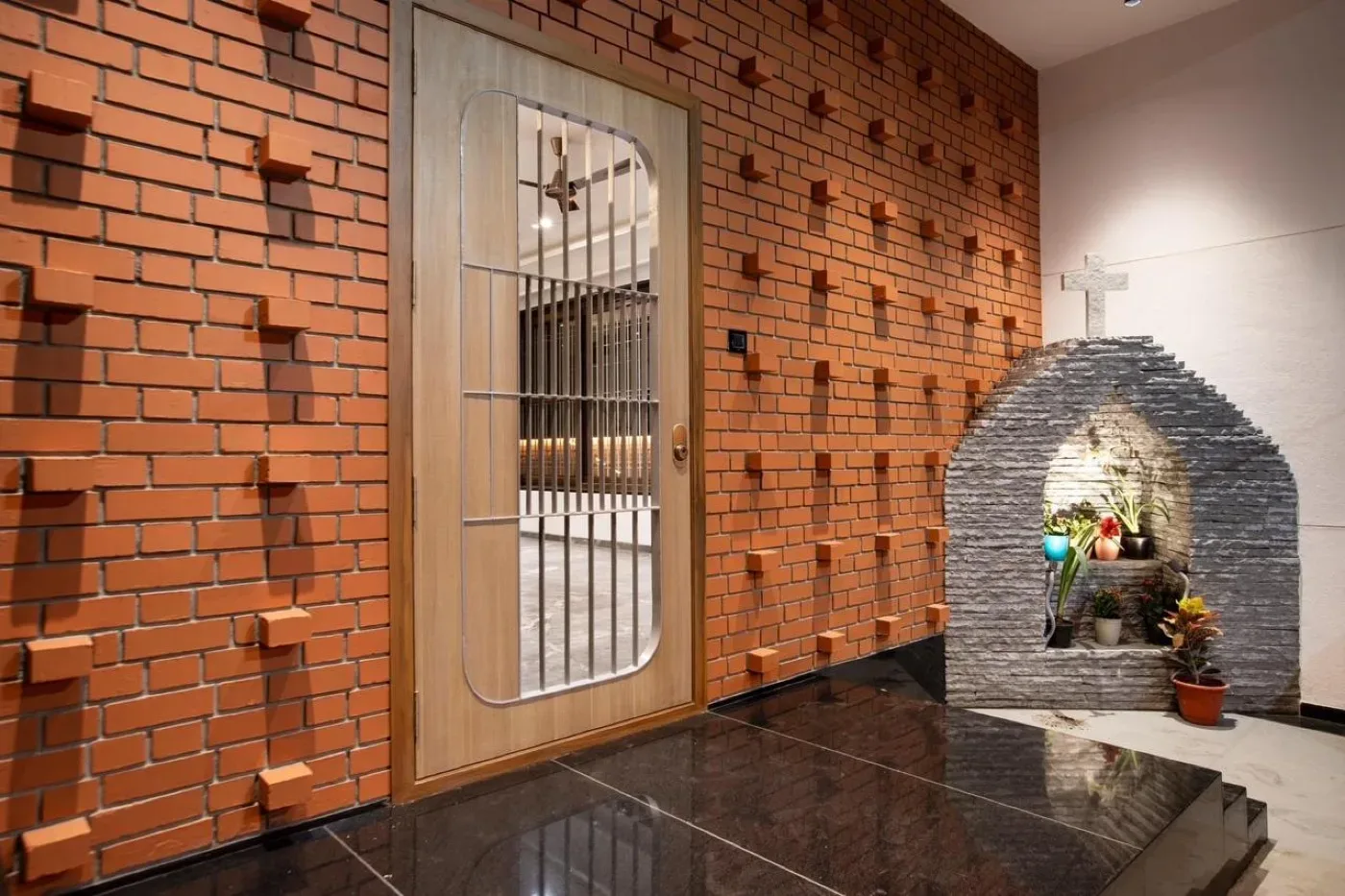
Brick Cladding vs Stone Cladding for House Exteriors in Chennai – Cost, Durability & Maintenance Guide
Choosing between brick cladding and stone cladding can affect your building's appearance, budget and maintenance needs. Heritage Bricks compares both materials based on cost, durability, installation and suitability for Chennai weather to help homeowners and architects choose the right cladding for their projects.
Read More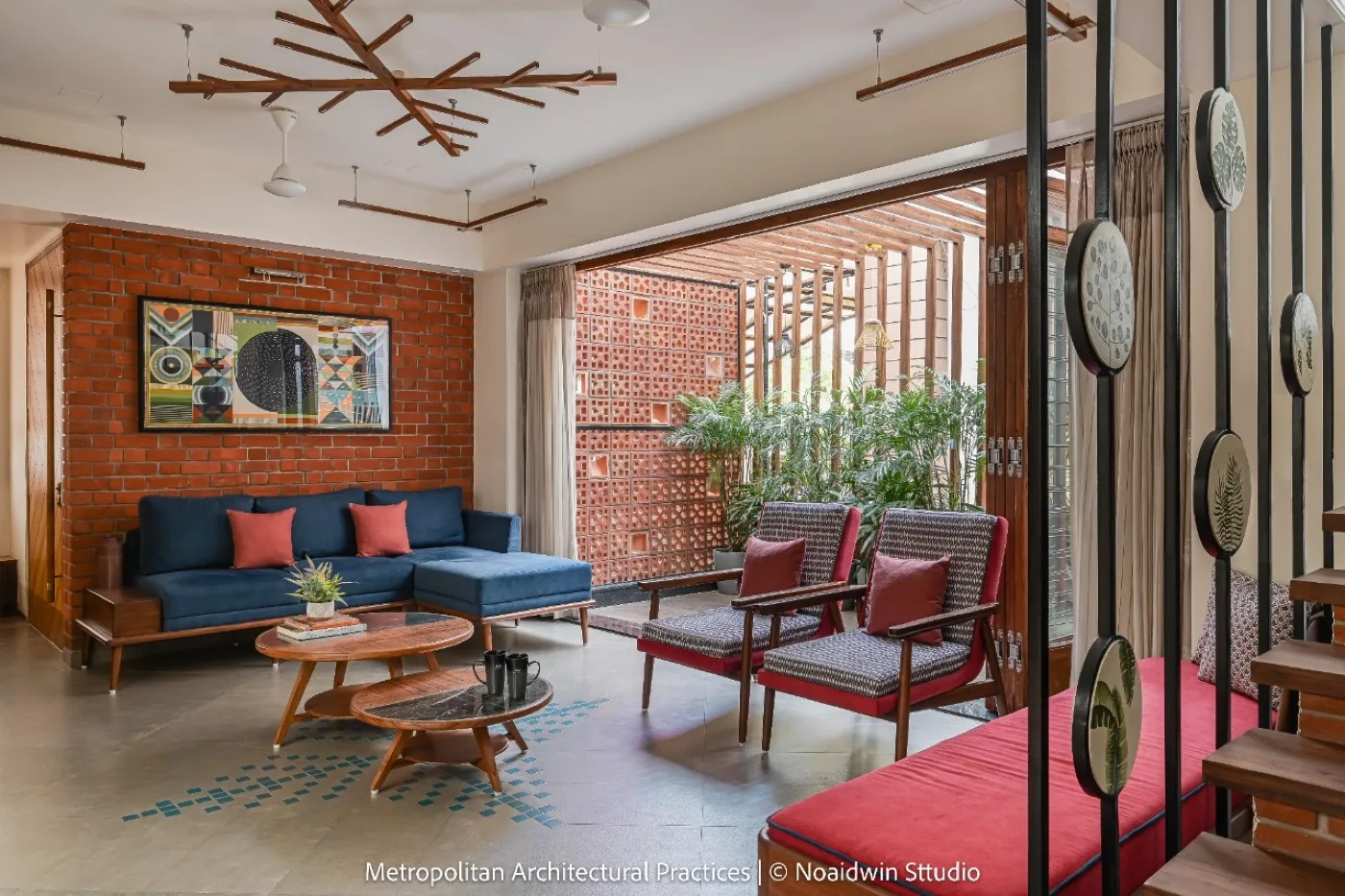
Brick Cladding Ideas for Living Room, Front Elevation & Restaurants
Explore stylish brick cladding ideas for living rooms, house front elevations, and restaurants. Discover design inspiration, popular brick colours, installation tips, and practical guidance for choosing the right brick cladding for your project with Heritage Bricks in Chennai.
Read More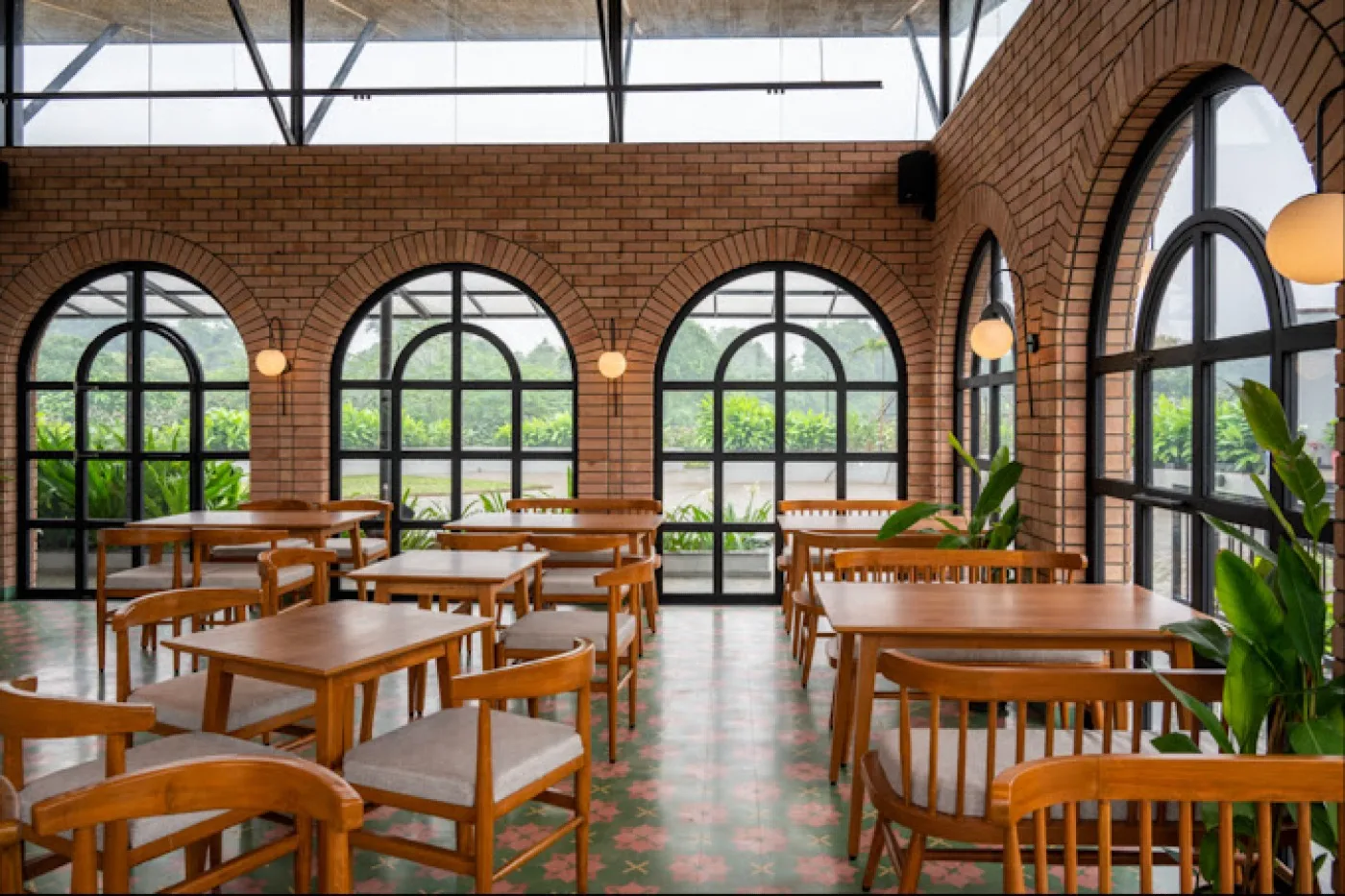
How to Install Brick Cladding Tiles: A Step-by-Step Guide
Learn how to install brick cladding tiles step by step, from wall preparation and tile layout to adhesive application, grouting, and finishing. Discover essential tools, installation tips, common mistakes, and maintenance advice for brick cladding projects with Heritage Bricks.
Read More