
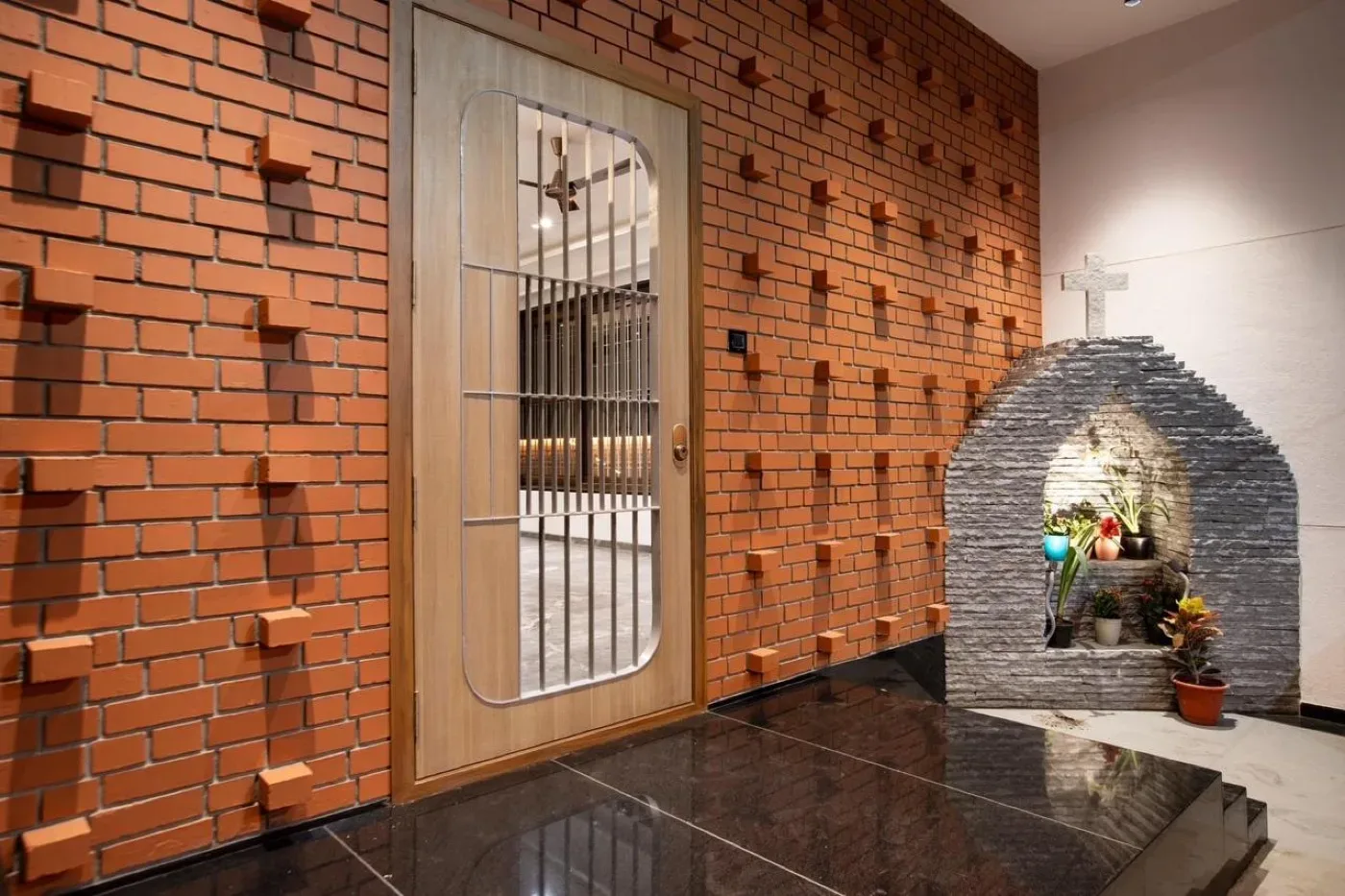
A beautiful house exterior does more than create a good first impression — it reflects your style and protects your home for years. But when choosing a wall finish, should you invest in brick cladding or stone cladding? For homeowners planning a new house or renovation in Chennai, Heritage brick cladding and stone cladding offer different advantages in appearance, budget, durability and maintenance. wall cladding options for homeowners and architects who want to create distinctive, warm and timeless exterior spaces.
This guide compares both materials to help you select the right finish for your home's elevation, budget and local weather conditions.
What Is Brick Cladding?
Brick cladding is a decorative exterior finish that creates the appearance of an exposed-brick wall without necessarily building the entire wall using solid bricks. Depending on the product, it can use thin brick tiles or cladding units fixed to a suitable prepared surface.
Brick cladding is popular in modern homes because it adds warmth, texture and architectural character. Red, brown, charcoal and mixed-colour finishes can complement white walls, glass windows, wooden elements and landscaped outdoor spaces.
Benefits of Brick Cladding
- Warm appearance: Creates a welcoming and timeless exterior.
- Design flexibility: Works well on entrance walls, balconies, compound walls and selected elevation sections.
- Distinctive texture: Adds depth and visual interest to plain surfaces.
- Versatile styling: Suits contemporary, industrial, rustic and traditional-inspired homes.
- Potentially lower material weight: Thin brick cladding products can weigh less than full-thickness masonry, depending on the system.
Brick cladding is a decorative finish, not a replacement for structural wall construction. Correct surface preparation, compatible fixing materials and suitable weather detailing are essential.
What Is Stone Cladding?
Stone cladding uses natural or manufactured stone finishes to create a textured, layered or polished appearance on a wall. Common natural stone options include sandstone, slate, granite and limestone. Their colours, surface patterns and textures vary according to the stone type and finish.
Stone cladding is often chosen for premium house elevations, entrance features, pillars, boundary walls and outdoor seating areas. It can create anything from a rustic natural look to a clean, sophisticated exterior.
Benefits of Stone Cladding
- Natural character: Each natural stone type offers its own colour and texture.
- Premium appearance: Creates a strong visual feature on house exteriors.
- Multiple finishes: Options include rough, split-face, honed and polished surfaces, depending on the stone.
- Long service potential: Suitable stone with correct installation can remain attractive for many years.
- Design versatility: Can be used for entrance columns, plinths, feature walls and selected facade sections.
However, stone products can be heavy, and some varieties are porous. The wall's load capacity, fixing method, water exposure and maintenance requirements should be assessed before installation.
Brick Cladding vs Stone Cladding: Complete Comparison
Which is better? Brick cladding is a strong option if you prefer warmth, texture and an exposed-brick appearance. Stone cladding may suit you better if you want a natural stone finish or a more substantial visual statement. The right choice depends on the specific product, installation system and design requirements.
Brick Cladding vs Stone Cladding Cost in Chennai
Cost is an important factor when planning a house exterior. However, there is no single price for either material. The final amount depends on the product, thickness, quality, quantity, surface condition, labour and installation method.
Which Is More Affordable?
Brick cladding can be the more budget-friendly choice for some projects, especially when using suitable thin cladding products on selected walls. However, premium brick finishes and labour-intensive layouts can increase the total cost.
Stone cladding costs vary significantly. Some locally available stone finishes may be economical, while granite, premium stone and mechanically fixed systems may require a larger budget.
For a fair comparison, ask suppliers and contractors to quote the same wall area and scope of work, including material, labour, surface preparation, joint finishing and any required sealing or mechanical fixing. Compare the complete installed cost rather than the material price alone.
Durability: Which Material Lasts Longer?
Both brick cladding and stone cladding can perform well outdoors when the correct product is selected and installed properly. Neither material should be judged by appearance alone.
Brick Cladding Durability
Good-quality brick cladding can provide long-lasting colour and texture. Performance depends on the product's suitability for exterior use, the condition of the wall beneath it, water management and the quality of installation.
Possible problems include cracked joints, surface staining, salt deposits and loose cladding caused by moisture or poor fixing. Proper drainage, compatible materials and periodic inspection help reduce these risks.
Stone Cladding Durability
Many natural stones are highly durable, but their performance differs by type. Dense stone varieties generally behave differently from more porous stones, which may absorb moisture or stain more readily.
Heavy stone cladding also needs an appropriate fixing method and adequate support. For elevated exterior walls, do not rely on appearance or adhesive suitability alone; have the proposed system assessed for the wall and building conditions.
Best Places to Use Brick and Stone Cladding
Where Brick Cladding Works Well
- Main entrance feature walls
- Exterior elevation bands
- Balcony walls and selected facade sections
- Compound walls and garden-facing walls
- Outdoor seating areas and covered verandas
Brick cladding works particularly well when paired with cream plaster, dark window frames, timber accents or greenery. Using it on one or two key sections can create a strong design without covering the entire elevation.
Where Stone Cladding Works Well
- Entrance columns and porch walls
- Ground-floor plinths
- Feature walls beside the main door
- Landscape walls and selected boundary sections
- Architectural features where a natural stone texture is desired
Stone can be paired with plain plaster, glass, metal and timber finishes to create contrast. Because stone can be heavy, check structural support and the proposed fixing system before using it on elevated facade areas.
Can You Combine Brick Cladding and Stone Cladding?
Yes. Combining the two materials can create a balanced exterior when each has a clear purpose. For example, brick cladding can add warmth to the main entrance wall while stone highlights the porch columns or lower plinth.
To avoid a cluttered appearance:
- Choose one material as the primary feature.
- Use the second material on a smaller, clearly defined section.
- Coordinate the colours and textures with exterior paint, windows and doors.
- Request physical samples and review them in natural daylight.
- Confirm that both materials are suitable for the intended outdoor conditions and fixing method.
A thoughtful combination can make the elevation more distinctive without using too many competing finishes.
How to Choose the Right Cladding for Your Home
Before making a final decision, consider these practical questions:
- What is your budget? Compare the complete installed cost, not just the price per square foot of the material.
- What style do you prefer? Brick offers a warm, earthy appearance; stone provides a natural texture that varies by stone type.
- Where will it be installed? An entrance feature wall may have different requirements from a high-level exterior wall.
- How much maintenance can you manage? Check cleaning and sealing requirements for the exact product.
- What is the wall condition? Existing plaster, moisture, cracks and load capacity can affect the choice.
- Who will install it? Choose an experienced installer who understands the product and its fixing requirements.
Why Consider Heritage Bricks for Brick Cladding?
Heritage Bricks provides brick cladding options for residential and architectural projects. Brick cladding can help homeowners introduce earthy colours, varied textures and a distinctive exposed-brick appearance into modern house exteriors.
When planning your project, discuss the intended application, product finish, wall area and installation requirements with the supplier and contractor. Request product details and a sample where possible, and confirm that the selected cladding is suitable for your exterior conditions.
Frequently Asked Questions
1. Is brick cladding cheaper than stone cladding?
It can be, but not in every case. Costs depend on the brick or stone type, thickness, installation method, labour and wall preparation. Compare complete installed quotations for the same area.
2. Which cladding is better for Chennai house exteriors?
Both can be suitable when selected for exterior use and installed correctly. Consider rainfall exposure, humidity, sunlight, coastal conditions, fixing requirements and maintenance before choosing.
3. Does brick cladding need waterproofing?
Cladding alone should not be treated as a waterproofing system. The wall assembly needs suitable water management, correctly detailed joints and appropriate protection against moisture entry.
4. Does stone cladding need sealing?
Some stones benefit from a suitable sealer, while others may have different maintenance requirements. Follow the stone manufacturer's guidance and check compatibility before applying any product.
5. Can brick cladding be installed on an existing house?
In many cases, yes, provided the existing wall is suitable. The installer should inspect the surface, check for moisture or loose plaster and choose a compatible fixing system before starting work.
6. Can brick cladding and stone cladding be used on the same elevation?
Yes. Using brick on a feature wall and stone on selected columns or the plinth can create a balanced exterior. Coordinate the colours and confirm the fixing requirements for each material.
Choose the Right Cladding for Your Budget
Brick cladding and stone cladding can both enhance a home's exterior, but the best choice depends on your design goals, budget, wall conditions and maintenance expectations. Brick cladding is worth considering when you want an earthy, textured finish, while stone cladding may suit designs that call for natural stone character.
For Chennai homes, focus on exterior suitability, proper installation and water management as much as appearance. Compare samples and complete installation quotations before deciding, so your chosen finish looks good and performs well over time.
Contact Heritage Bricks
If you are exploring brick cladding for a new home, renovation or architectural project, contact Heritage Bricks to discuss available options.
Website: https://www.heritagebricks.in/
Phone: +91 99402 75111
Head Office
No. 106-1A2, Sivabhootham Village, Vanagaram, Maduravoyal, Vanagaram, Tamil Nadu – 600095.
Bengaluru Office
No. 80, Sarjapura Main Road, Sulikunte, Dommasandra, Bengaluru – 562125.
Related Posts
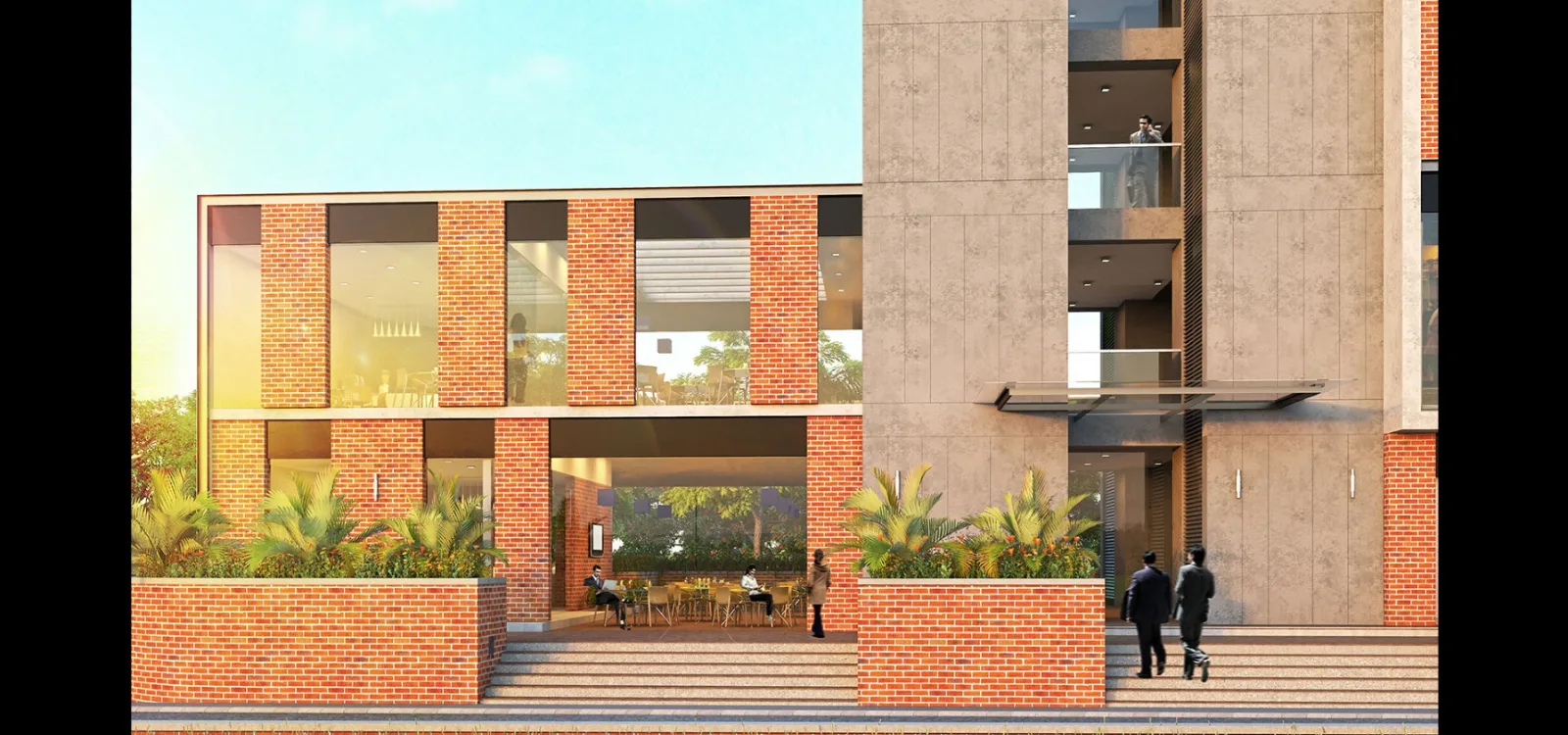
Salt Air & Coastal Homes: Best Cladding Materials for ECR & OMR
Discover the best cladding materials for coastal homes along ECR and OMR, including brick cladding, terracotta, porcelain, and natural stone. Learn how to choose exterior finishes that suit Chennai’s salty air, humidity, monsoon rains, and coastal weather with Heritage Bricks.
Read More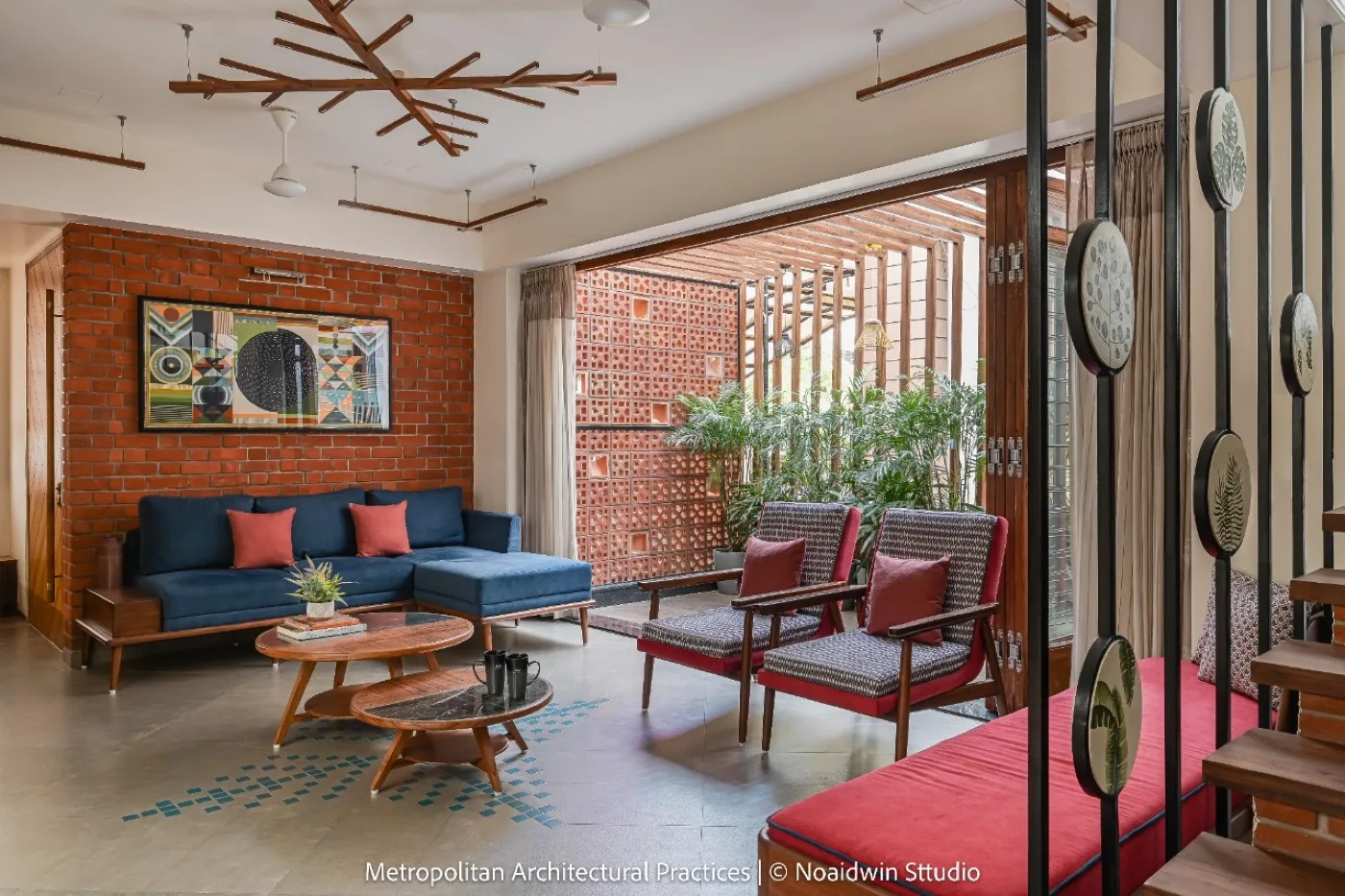
Brick Cladding Ideas for Living Room, Front Elevation & Restaurants
Explore stylish brick cladding ideas for living rooms, house front elevations, and restaurants. Discover design inspiration, popular brick colours, installation tips, and practical guidance for choosing the right brick cladding for your project with Heritage Bricks in Chennai.
Read More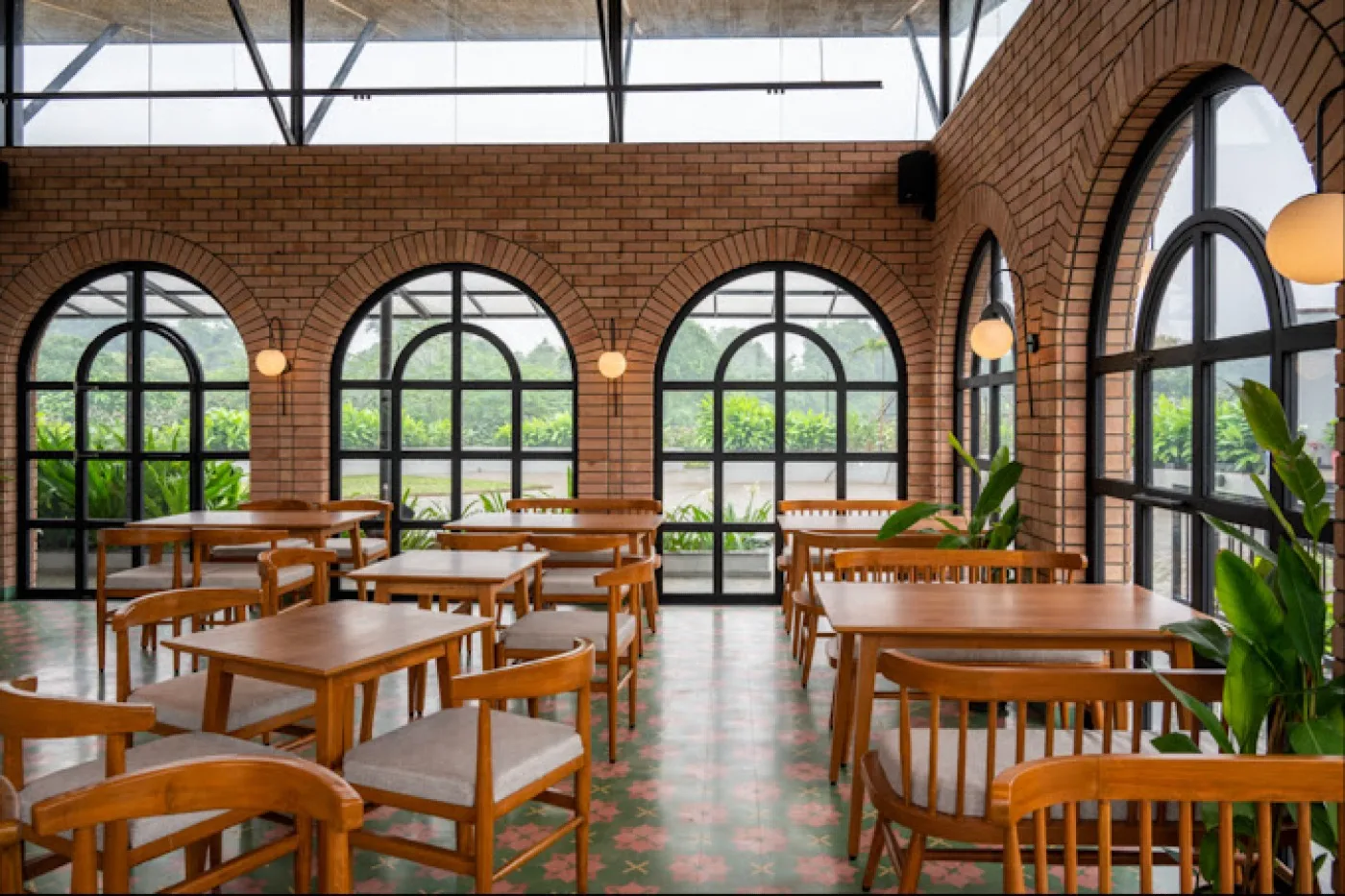
How to Install Brick Cladding Tiles: A Step-by-Step Guide
Learn how to install brick cladding tiles step by step, from wall preparation and tile layout to adhesive application, grouting, and finishing. Discover essential tools, installation tips, common mistakes, and maintenance advice for brick cladding projects with Heritage Bricks.
Read More