
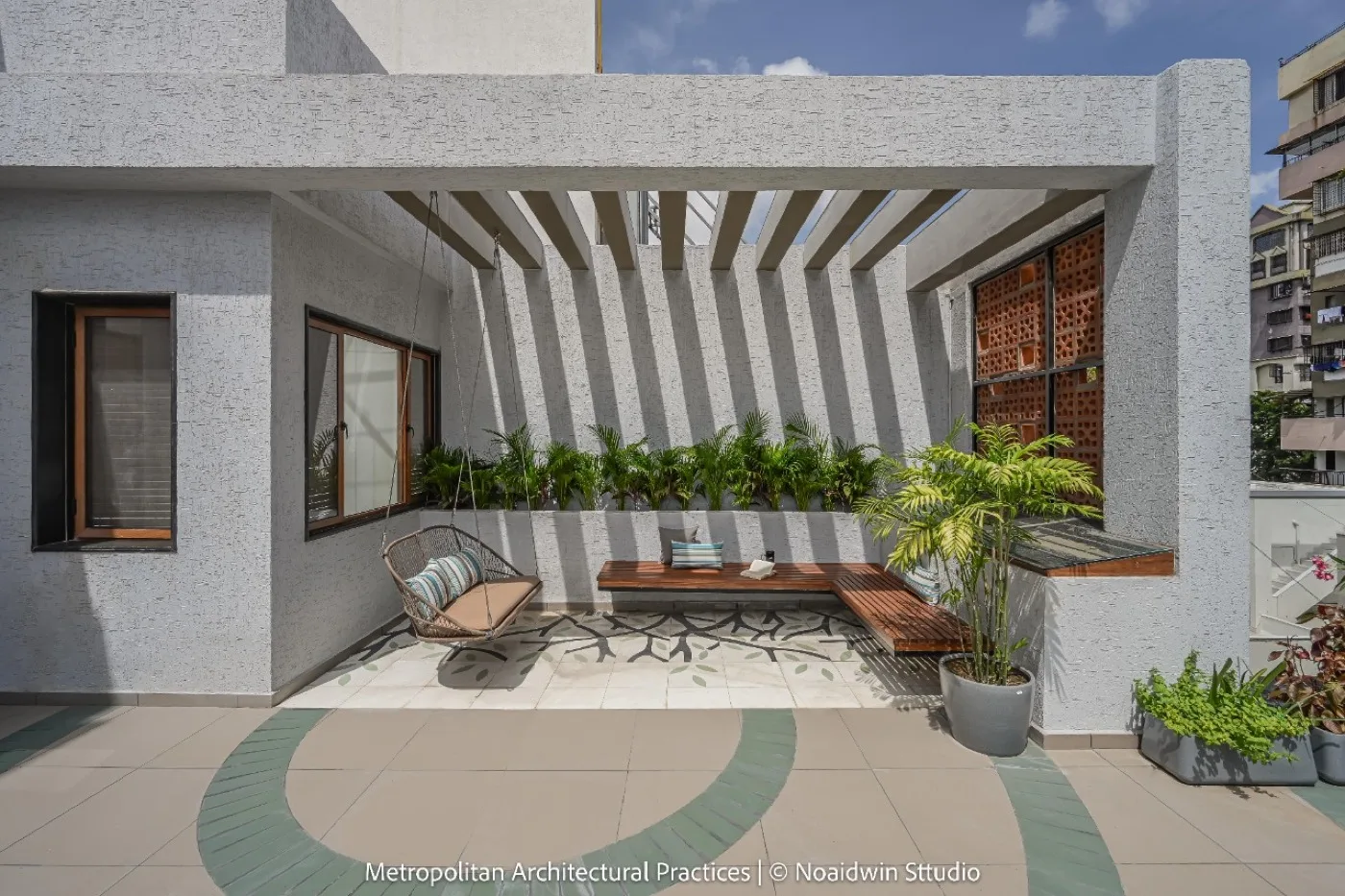
Heritage Bricks is a useful starting point for homeowners, architects, and builders exploring brick and cladding options for modern homes. Terracotta jaali designs are increasingly popular in contemporary Indian architecture because they combine traditional craftsmanship with decorative patterns, filtered natural light, ventilation, and visual privacy. Whether you are designing a compound wall for a Chennai home or adding a stylish screen to a balcony, terracotta jaali can create an attractive architectural feature while maintaining a connection to natural materials and traditional design.
What Is a Terracotta Jaali?
A terracotta jaali is a decorative screen made from fired clay units arranged in patterns with openings. These openings allow light and air to pass through while creating partial visual privacy.
Terracotta jaali screens are used in residential and commercial architecture for compound walls, balconies, entrance partitions, courtyards, verandas, and exterior facades.
The natural reddish-brown colour of terracotta complements exposed brick walls, wooden elements, natural stone, and contemporary concrete finishes. Depending on the pattern and installation, a jaali screen can create attractive shadows and add texture to an otherwise plain wall.
1. Terracotta Jaali Designs for Compound Walls
Terracotta jaali compound walls offer a decorative alternative to completely solid boundary walls. They can introduce visual interest, allow airflow, and create a distinctive entrance design.
<AsyncImageGroup query={["modern Indian house compound wall red terracotta jaali screen contemporary exterior","terracotta decorative brick jaali boundary wall modern residential house Chennai style","modern home compound wall terracotta perforated clay blocks with greenery"]} aspectRatio="5:4" layout="bento" size="lg"/>
Traditional Geometric Jaali Patterns
Geometric terracotta jaali patterns feature repeated squares, rectangles, diamonds, and other symmetrical shapes. These designs work well with traditional Indian houses and contemporary homes that use earthy materials.
They can be installed along selected sections of a compound wall to create a consistent decorative pattern.
Modern Minimalist Compound Wall Screens
For modern houses, simple repeating patterns can create a clean architectural appearance. Pair terracotta screens with concrete pillars, neutral exterior walls, and metal gates for a balanced design.
Using jaali in selected sections rather than across the entire boundary can help maintain a sense of openness while defining the property.
Terracotta Jaali with Brickwork
Combining exposed brickwork with terracotta jaali creates a coordinated exterior design. The solid brick sections provide a visual anchor, while the patterned screen introduces texture and openings.
This combination is particularly suitable for entrance walls, garden boundaries, and courtyard enclosures.
Compound Walls with Plants and Greenery
Terracotta jaali walls can complement landscaped entrances and garden boundaries. The openings create a visual connection between the built environment and outdoor greenery.
When planning this design, consider plant growth, maintenance access, drainage, and the amount of privacy required.
2. Terracotta Jaali Designs for Balconies
Balcony jaali screens can improve the visual appearance of a home while providing partial privacy and filtered daylight. The appropriate design depends on balcony size, orientation, structural support, and local building requirements.
<AsyncImageGroup query={["modern apartment balcony terracotta jaali screen warm clay perforated facade","contemporary Indian house balcony red terracotta lattice screen plants","terracotta jaali balcony railing design modern residential architecture"]} aspectRatio="5:4" layout="bento" size="lg"/>
Full-Height Terracotta Balcony Screens
Full-height screens can create a distinctive facade and provide partial screening from neighbouring buildings. Their openings allow light and air to pass through, depending on the pattern and surrounding conditions.
The supporting structure and fixing system must be designed for the screen's weight and wind exposure. Terracotta jaali should not be treated as a safety railing unless the complete system has been specifically designed and approved for that purpose.
Partial Balcony Jaali Panels
Partial-height or side panels can add decorative detail without enclosing the entire balcony. They are suitable for homes where the aim is to create a feature wall or screen a selected area.
This approach can also help maintain an open appearance in compact balconies.
Balcony Jaali with Indoor Plants
Terracotta screens work well with potted plants and greenery. Their earthy colour complements foliage and natural flooring materials.
Leave enough space for watering, drainage, cleaning, and plant maintenance. Ensure that pots and planters are securely positioned.
Contemporary Patterned Balcony Screens
Modern terracotta jaali designs can incorporate repeating linear, square, or abstract patterns. These patterns can complement glass doors, concrete surfaces, and wooden finishes.
Before choosing a pattern, check how the openings affect privacy, daylight, and views from inside the home.
3. Popular Terracotta Jaali Patterns for Modern Homes
The pattern you select influences the appearance, openness, and privacy of the finished screen.
<AsyncImageGroup query={["terracotta jaali square geometric perforated clay block pattern close up","red terracotta decorative lattice screen diamond pattern architecture","modern terracotta breeze block wall repeating circular geometric pattern"]} aspectRatio="5:4" layout="bento" size="lg"/>
Square and Rectangular Patterns
Square and rectangular openings create an orderly appearance that suits modern facades, compound walls, and balcony partitions.
Diamond Patterns
Diamond-shaped openings introduce a more decorative look and can create interesting light and shadow effects throughout the day.
Traditional Indian Geometric Patterns
Repeated motifs inspired by traditional Indian architectural screens can complement heritage-style houses, courtyards, and verandas.
Contemporary Abstract Patterns
Abstract arrangements can create a distinctive facade for modern homes, offices, and commercial buildings. The pattern should remain compatible with the product's dimensions and installation requirements.
Custom Jaali Arrangements
Some designs use different screen modules or combine jaali units with solid brickwork. Custom arrangements require careful planning to maintain alignment, provide adequate support, and avoid unnecessary cutting.
Actual patterns and dimensions vary by product and manufacturer.
4. Benefits of Terracotta Jaali for Compound Walls and Balconies
Terracotta jaali offers several design and functional advantages when properly selected and installed.
Natural appearance: The earthy colour and clay texture complement a wide range of architectural styles.
Filtered daylight: Openings allow daylight to pass through and create changing shadow patterns.
Airflow: Perforations can support air movement, although actual ventilation depends on wind direction, opening size, and surrounding obstructions.
Partial privacy: Jaali screens can limit direct views while retaining some visual openness. The level of privacy depends on the pattern and viewing angle.
Architectural character: Terracotta screens add texture and can become a distinctive element of a home's exterior.
Design flexibility: They can be used as decorative sections alongside brickwork, concrete, wood, and other suitable materials.
The benefits depend on the specific product, screen design, placement, and installation quality.
5. How to Choose the Right Terracotta Jaali Design
Choosing the right jaali involves more than selecting a pattern. Consider how the screen will function within the building.
Identify the Purpose
Decide whether the screen is intended for a compound wall, balcony, entrance, courtyard, or decorative facade. Each application may have different structural and privacy requirements.
Consider Privacy and Openness
Smaller openings may provide more visual screening, while larger openings create a more open appearance. Consider views from neighbouring properties and the direction of sunlight.
Match the Exterior Colour Palette
Terracotta's warm tones pair well with exposed brick, cream walls, grey concrete, wooden finishes, and greenery. Review samples in natural daylight before finalising the design.
Check Dimensions and Weight
Confirm the dimensions, weight, and installation requirements of the selected jaali units. These details influence the support structure, spacing, and total quantity required.
Review Maintenance Requirements
Outdoor screens may accumulate dust and become exposed to rain, humidity, and pollution. Choose a product and finish that can be maintained using suitable cleaning methods.
6. Are Terracotta Jaali Designs Suitable for Chennai Homes?
Terracotta jaali can be considered for Chennai homes, provided the selected product and installation system are appropriate for local weather conditions and the intended use.
For compound walls and balconies, consider the following factors:
- Rainfall and moisture: Check water drainage, joint detailing, and the suitability of the material for outdoor exposure.
- Heat and sunlight: Consider how the screen's orientation affects shade and the amount of sunlight entering the building.
- Ventilation: Choose an opening pattern that suits the intended airflow and privacy requirements.
- Structural support: Ensure the wall or frame can safely support the installed screen.
- Corrosion protection: Where metal supports or fixings are used, ensure they are suitable for the exposure conditions.
- Building regulations: Confirm applicable height, boundary, facade, and balcony requirements before installation.
A qualified architect or structural professional can help determine the appropriate design and fixing method, particularly for elevated balcony screens or large exterior installations.
7. How Much Does a Terracotta Jaali Compound Wall or Balcony Cost?
The cost depends on the product, dimensions, design complexity, quantity, and installation method. A reliable estimate should include the materials and supporting work required for the complete installation.
Important cost factors include:
- Type and dimensions of terracotta jaali units.
- Pattern and design complexity.
- Total screen area.
- Supporting pillars, frames, or masonry.
- Mortar, fixings, and other installation materials.
- Labour and transportation charges.
- Cutting, finishing, and wastage.
- Access requirements for elevated installations.
To estimate the quantity, measure the intended screen area and check the coverage of each unit. Account for joints, edges, openings, and any special pattern layout.
For current pricing in Chennai, confirm the available product specifications and request a quotation based on the actual dimensions and installation requirements.
8. Common Mistakes to Avoid When Installing Terracotta Jaali
Avoid these mistakes when planning a terracotta jaali installation:
- Selecting a decorative unit without checking its suitability for outdoor use.
- Using an unsuitable support structure for heavy screen units.
- Ignoring wind loads and fixing requirements on elevated balconies.
- Choosing openings without considering privacy and sunlight.
- Failing to plan alignment and joint spacing.
- Allowing water to collect around the base of the screen.
- Using incompatible mortar or installation materials.
- Treating a decorative jaali screen as a protective balcony railing without an approved design.
Correct product selection and professional installation are especially important for balcony and elevated facade applications.
Frequently Asked Questions About Terracotta Jaali Designs
1. What is terracotta jaali used for?
Terracotta jaali is used for decorative and functional screens in compound walls, balconies, courtyards, verandas, entrances, and building facades. Its openings allow filtered light and airflow while providing varying levels of visual privacy.
2. Is terracotta jaali suitable for compound walls?
Yes, terracotta jaali can be incorporated into suitable compound wall designs. The units, support structure, and fixing method must be appropriate for the wall's height, exposure, and intended use.
3. Can terracotta jaali be used on balconies?
Yes, terracotta jaali can be used as a decorative balcony screen when the product and supporting system are designed for the application. It should not replace a required safety railing unless the complete assembly meets applicable safety requirements.
4. Does terracotta jaali provide privacy?
Terracotta jaali can provide partial privacy, but the result depends on opening size, pattern, viewing angle, lighting, and the distance from neighbouring properties.
5. Does terracotta jaali improve ventilation?
The openings can allow air to pass through the screen. However, actual airflow depends on wind direction, the size and arrangement of openings, and surrounding buildings or obstructions.
6. How do I maintain terracotta jaali?
Remove loose dust periodically and clean the surface using a method suitable for the product. Inspect the screen and its joints for damage, water-related deterioration, or loose units, and repair issues promptly.
7. How do I choose the right terracotta jaali pattern?
Choose a pattern based on the intended location, privacy requirements, amount of daylight, architectural style, unit dimensions, and installation requirements.
8. Where can I explore brick and cladding options in Chennai?
Visit the Heritage Bricks website to explore available brick and cladding options and review product information for your residential or commercial project.
Explore Brick and Cladding Options with Heritage Bricks
Terracotta jaali can bring natural colour, texture, and architectural interest to compound walls and balconies. The best design balances appearance with privacy, ventilation, weather exposure, and installation requirements.
- Website: Heritage Bricks
Phone: +91 99402 75111
Head Office: No. 106-1A2, Sivabhootham Village, Vanagaram, Maduravoyal, Chennai, Tamil Nadu – 600095.
Explore the available brick and cladding options to plan a design that complements your home or commercial project.
Related Posts
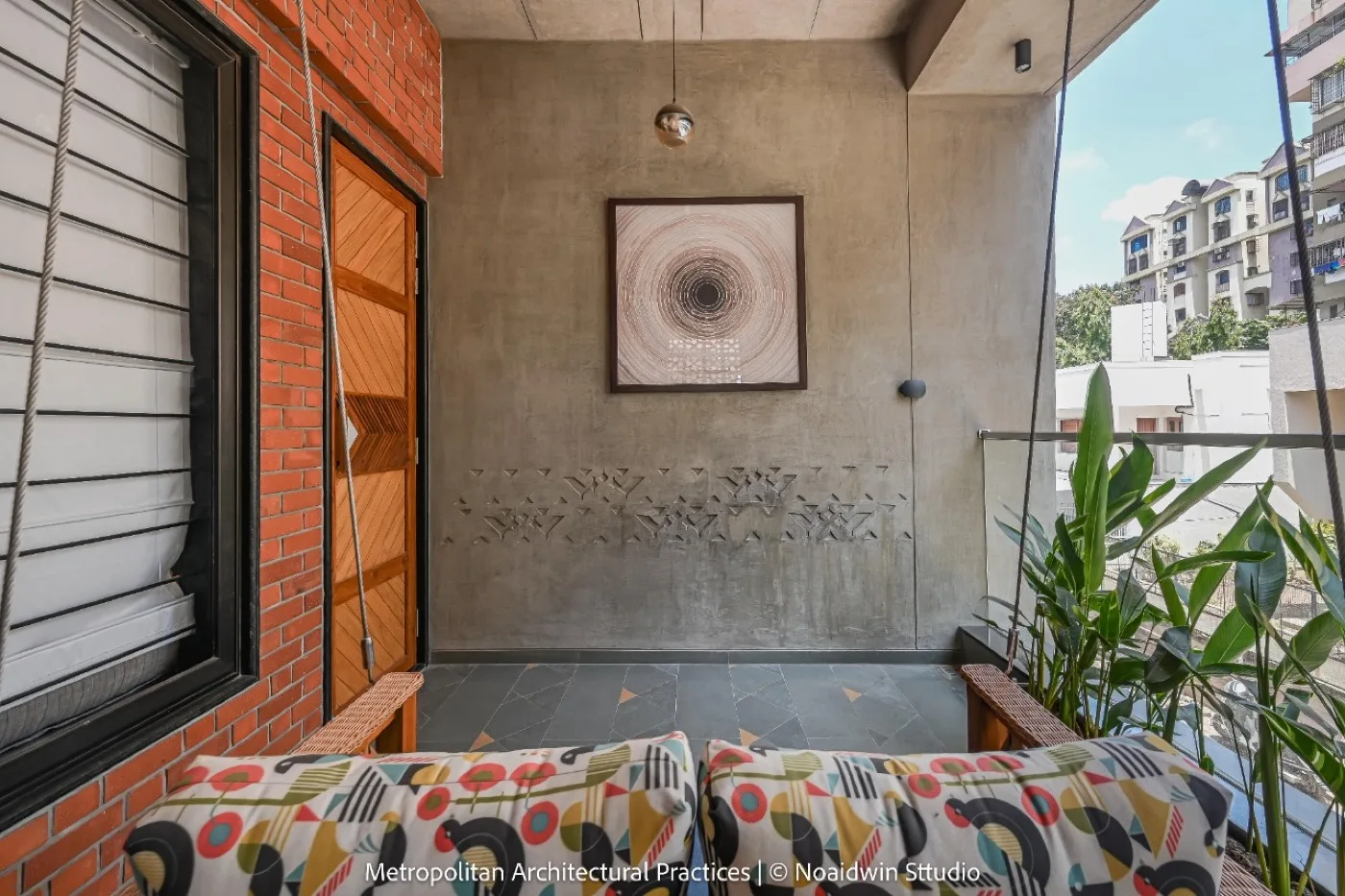
Terracotta Cladding vs Wall Tiles: Which Is Better for Chennai Weather?
Compare terracotta cladding vs wall tiles with Heritage Bricks. Discover which exterior finish suits Chennai's heat and monsoon, with cost factors, maintenance tips and modern home design ideas.
Read More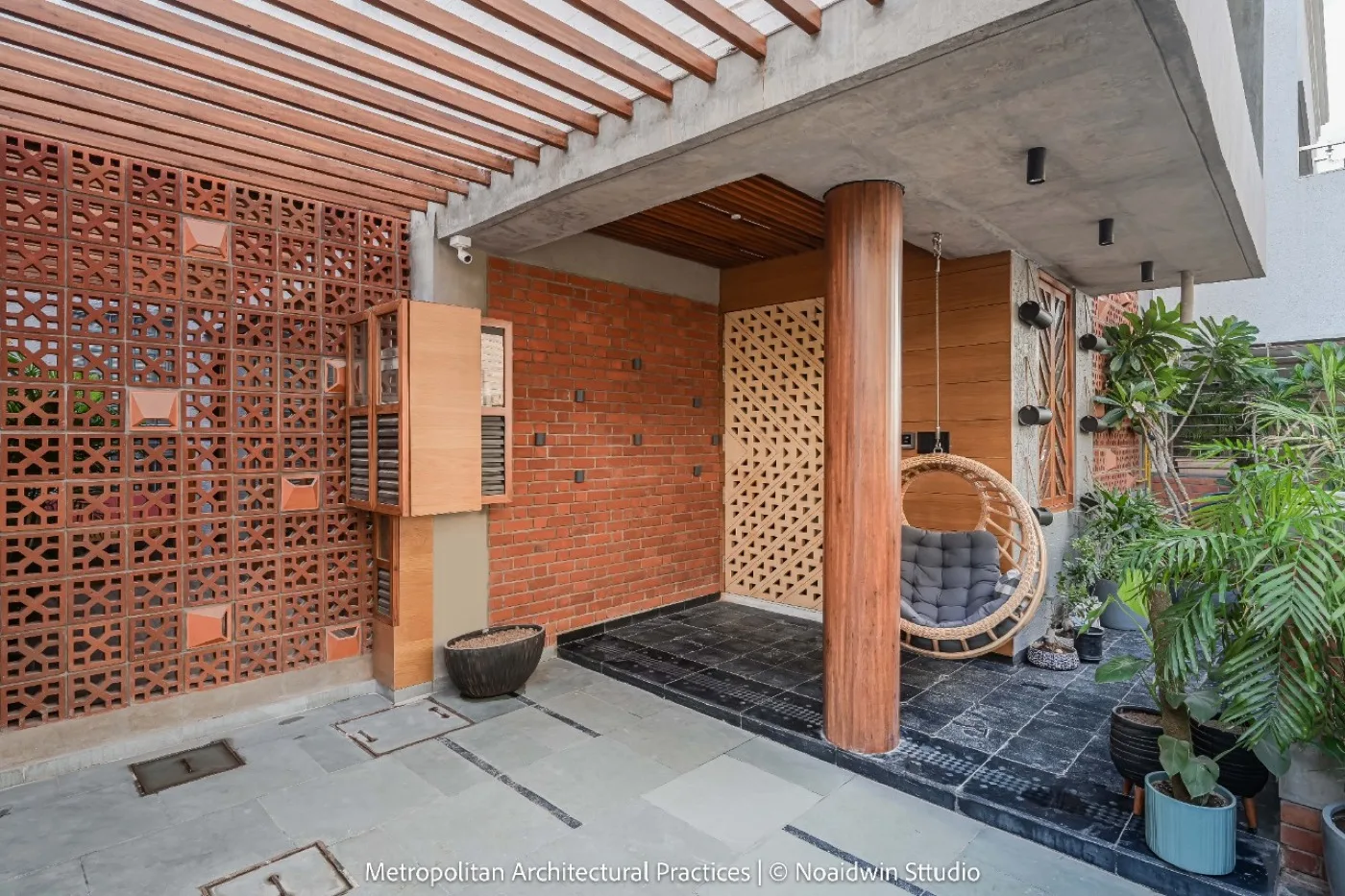
Chettinad-Style Homes: Using Terracotta & Brick in Modern Chennai Houses
Discover how to bring traditional Chettinad architecture into modern Chennai homes using terracotta tiles, exposed brick walls, decorative jaali screens, and natural materials. Explore design ideas for living rooms, house front elevations, courtyards, and exterior facades with Heritage Bricks.
Read More
Best Terracotta Bricks Suppliers in Chennai – How to Choose the Right One
Find the best terracotta bricks suppliers in Chennai with Heritage Bricks. Explore brick quality, pricing, designs and expert tips for choosing the right bricks for your project.
Read More