

Choosing the wrong bricks can increase your construction costs and affect your building’s finish. Heritage Bricks offers clay brick and architectural brick solutions for modern homes and building projects. When comparing wire cut bricks vs red bricks vs fly ash bricks, it is important to understand their differences in strength, appearance, water absorption, durability and overall cost. Wire cut bricks are known for their uniform shape and clean finish, traditional red bricks offer a classic clay appearance, and fly ash bricks provide an alternative for suitable masonry applications. In this guide, we compare all three types to help you choose the right bricks for your construction requirements and budget.
What Are Wire Cut Bricks?
Wire cut bricks are machine-made clay bricks produced by pushing prepared clay through an extrusion mould and cutting it into individual units using wires. After shaping, the bricks are dried and fired in a kiln. This manufacturing process generally produces consistent dimensions, defined edges and a neat surface finish.
Wire cut bricks are popular in contemporary architecture because their uniform appearance creates clean brickwork patterns. They can be used for exposed brick walls, exterior facades, compound walls and selected residential or commercial masonry applications.
Key benefits of wire cut bricks:
- Uniform shape and relatively consistent dimensions.
- Clean edges for neat brickwork.
- Suitable for exposed brick designs and modern facades.
- Potentially fewer size adjustments during installation.
The actual strength and durability depend on the clay composition, firing process, manufacturing quality and product grade.
What Are Traditional Red Bricks?
Traditional red bricks are made from clay that is shaped and fired in a kiln. Their reddish colour develops from the clay minerals and firing conditions. Depending on the production method, these bricks may have a rustic surface, slight variations in size or a more uniform finish.
Red bricks remain a familiar choice for residential construction because they are widely understood by masons and available through many local suppliers. They can be used for different masonry applications when their properties meet the project requirements.
Key benefits of red bricks:
- Traditional clay appearance.
- Suitable for many residential and commercial projects.
- Available in different grades and manufacturing qualities.
- Can create attractive exposed brickwork when the finish is appropriate.
However, variations between manufacturers and batches can affect dimensions, appearance and performance. Buyers should inspect the supplied batch rather than judging quality by colour alone.
What Are Fly Ash Bricks?
Fly ash bricks are manufactured using fly ash, an industrial by-product, along with suitable binders and other ingredients. Their composition and production process depend on the type of fly ash brick being manufactured. Many fly ash-lime bricks are pressed into moulds and cured rather than fired like conventional clay bricks.
These bricks are often recognised by their grey colour, smooth surface and relatively consistent dimensions. They can be suitable for plastered walls and other masonry applications when they meet the required specifications.
Key benefits of fly ash bricks:
- Make use of an industrial by-product.
- Often provide uniform dimensions and smooth surfaces.
- May reduce mortar and plaster adjustments when compared with irregular bricks.
- Can achieve good compressive strength when properly manufactured and tested.
The quality of the raw materials, mix proportions and curing process is important. Poorly manufactured bricks can have weak edges or inconsistent performance, so test reports and supplier reliability matter.
Which Brick Is Stronger: Wire Cut, Red or Fly Ash?
There is no universal winner. Wire cut bricks and traditional red bricks are both types of fired clay bricks, while fly ash bricks are made using a different manufacturing process. All three can vary in strength according to their grade and production quality.
For a reliable comparison, ask suppliers for compressive strength test reports and check whether the bricks meet the requirements specified by your structural engineer.
For Indian construction, common burnt clay building bricks are covered by IS 1077, while pulverized fuel ash-lime bricks are covered by IS 12894. Burnt clay bricks containing fly ash are a separate product category covered by IS 13757. The applicable standard depends on the actual product supplied.
Do not assume that a brick is stronger simply because it is heavier, darker or more expensive. The test results and intended application are more useful indicators of suitability.
Which Bricks Are Better for Chennai Weather?
Chennai's hot summers, seasonal rainfall and humid conditions make moisture management an important consideration when selecting bricks.
For exposed exterior walls, consider water absorption, surface durability, mortar quality, rain exposure and protective detailing. Wire cut clay bricks can be a suitable option when you want a neat exposed-brick finish. Traditional red bricks can also work well when the product quality and installation meet the design requirements. Fly ash bricks may be appropriate for plastered masonry when their specifications suit the project.
Remember that no brick type alone guarantees a waterproof or cool house. Roof insulation, shading, ventilation, wall orientation, damp-proofing and exterior finishes also influence indoor comfort and moisture resistance.
Before purchasing bricks for an exterior wall, discuss the site conditions and required performance with your architect or engineer.
Which Bricks Are More Affordable?
The lowest price per brick does not necessarily mean the lowest overall construction cost. The final expense depends on the number of bricks required, delivery charges, mortar, labour, finishing and wastage.
Compare these costs before making a decision:
- Material cost: Price per brick and total quantity required.
- Transportation: Delivery charges based on distance and order size.
- Masonry labour: Time and adjustments needed during installation.
- Mortar and plaster: Consumption may vary with brick dimensions and surface regularity.
- Finishing: Exposed brickwork, plastering or other treatments.
- Wastage: Breakage, damaged units and replacement requirements.
Fly ash bricks may offer cost advantages on some projects because of their uniform dimensions and finishing requirements. Wire cut bricks can offer value when a consistent exposed-brick appearance is important. Traditional red bricks may be economical where suitable-quality products are locally available.
For a fair comparison, request quotations for the same wall dimensions and required product grade. Check the complete installed wall cost instead of comparing only the price per unit.
Which Brick Is Best for House Construction?
The right choice depends on how the bricks will be used.
For exposed brick walls: Wire cut bricks are often preferred because their consistent shape and defined edges can create a clean architectural finish. Traditional red bricks are another option when their colour and texture suit the design.
For plastered walls: Traditional clay bricks, wire cut bricks and fly ash bricks can all be suitable when they meet the required specifications. Compare the overall cost, workmanship and finishing requirements.
For budget-conscious construction: Compare the delivered material price, mortar consumption, labour, plastering and wastage before deciding which option provides the best value.
For load-bearing walls: Do not select bricks based on appearance or price alone. The structural design, required strength class and applicable standards must guide the choice.
For framed buildings, the structural engineer should also confirm the suitability of the masonry material for the intended wall application.
How to Check Brick Quality Before Buying
Before placing a bulk order, use this simple checklist:
- Check dimensions: Inspect several bricks to identify significant variations in size and shape.
- Inspect the edges: Look for excessive cracks, crumbling corners and visible manufacturing defects.
- Request test reports: Confirm compressive strength and water absorption against the relevant product specifications.
- Check the batch: Compare the samples with the actual bricks supplied to your site.
- Calculate the total cost: Include transportation, installation, mortar and finishing.
- Confirm suitability: Ask your architect or engineer whether the product meets the construction requirements.
These checks help you avoid choosing a product based solely on an attractive price or appearance.
Frequently Asked Questions
1. Are wire cut bricks better than traditional red bricks?
Wire cut bricks generally offer more consistent dimensions and a cleaner finish. Both are fired clay bricks, however, and their strength and durability depend on the product grade and manufacturing quality.
2. Are fly ash bricks stronger than red bricks?
Not always. Both types are available in different strength classes. Compare the relevant test reports rather than assuming that one material is always stronger.
3. Which bricks are best for exposed brick walls?
Wire cut clay bricks are often chosen for their uniform appearance and defined edges. Traditional red bricks can also work well when their finish, colour and quality suit the design.
4. Which bricks are cheaper for house construction?
The price varies by supplier, grade, quantity and delivery distance. Compare the complete masonry cost, including labour, mortar, finishing and wastage.
5. Are fly ash bricks suitable for Chennai?
Fly ash bricks can be suitable for appropriate masonry applications in Chennai when they meet the required specifications and are installed with suitable moisture protection and detailing.
6. Can wire cut bricks be used for exterior walls?
Yes. They can be used for suitable exterior wall applications, including exposed brickwork, provided the product specifications, installation and weather-protection details meet the project's requirements.
7. What should I check before buying bricks?
Check dimensions, visible defects, batch consistency, compressive strength, water absorption and applicable product standards. Request a recent test report for the supplied product.
Choose the Right Bricks for Your Construction Project
Wire cut bricks, traditional red bricks and fly ash bricks each offer different benefits. Wire cut bricks are often preferred for consistent appearance, traditional red bricks provide a familiar clay finish, and fly ash bricks offer an alternative for suitable masonry applications.
The best option depends on your budget, architectural requirements, wall application and verified product quality. By comparing specifications and the complete installation cost, you can make a more informed decision for your home or commercial project.
Contact Heritage Bricks
Looking for quality clay bricks and architectural brick solutions for your next project? Heritage Bricks offers a range of brick products for modern homes, commercial buildings and architectural spaces. Contact our team to explore the available collection and find the right products for your requirements.
Head Office
No. 106-1A2, Sivabhootham Village, Vanagaram, Maduravoyal, Vanagaram, Tamil Nadu – 600095.
Bengaluru Office
No. 80, Sarjapura Main Road, Sulikunte, Dommasandra, Bengaluru – 562125.
Phone: +91 99402 75111
Website: https://www.heritagebricks.in/
Related Posts
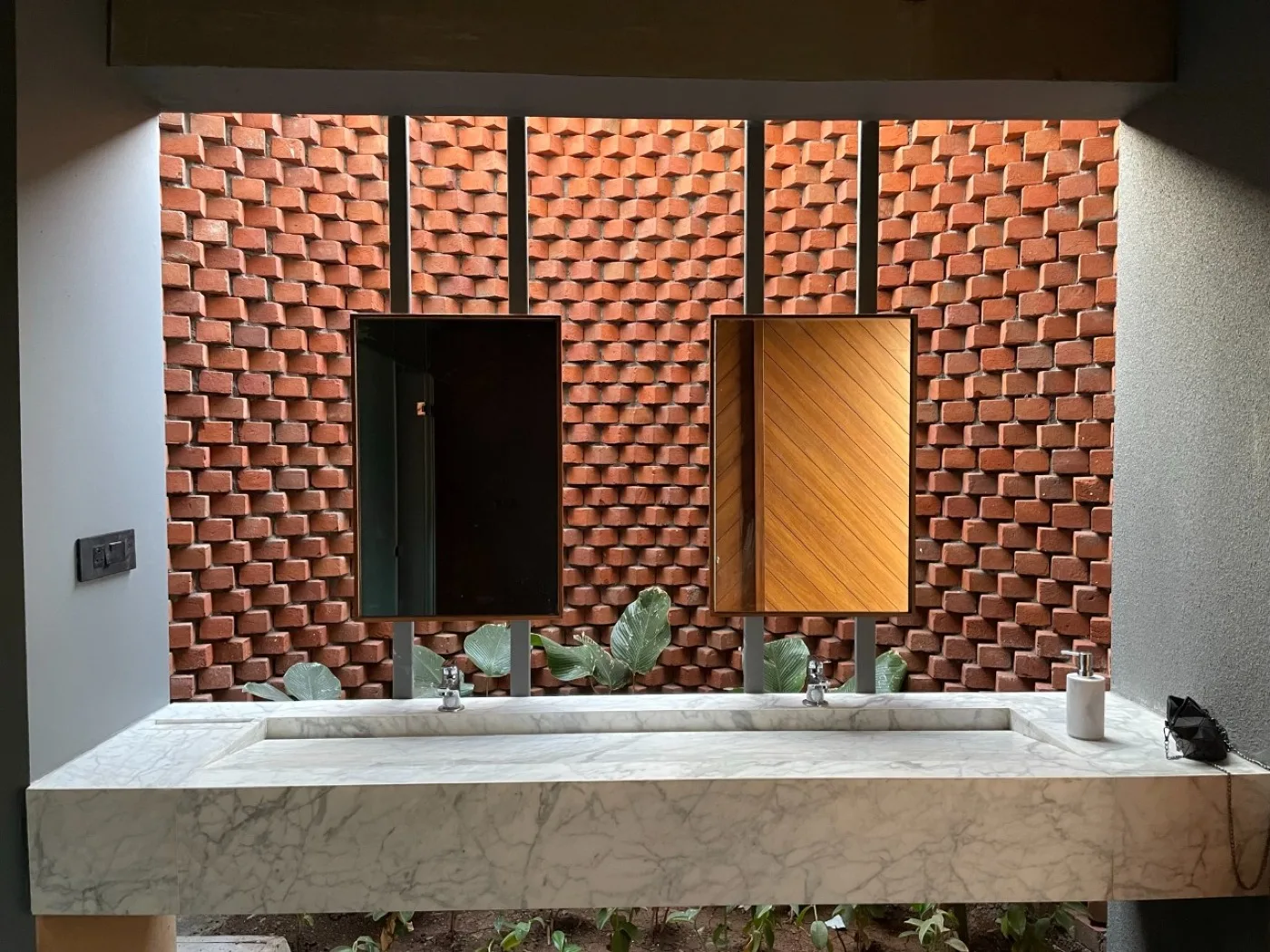
Exposed Brick Wall Cost in Chennai 2026 – Material and Labour Breakdown
Explore exposed brick wall cost in Chennai for 2026 with Heritage Bricks. Learn about material prices, labour charges, brick cladding options and budgeting tips for your home or commercial project.
Read More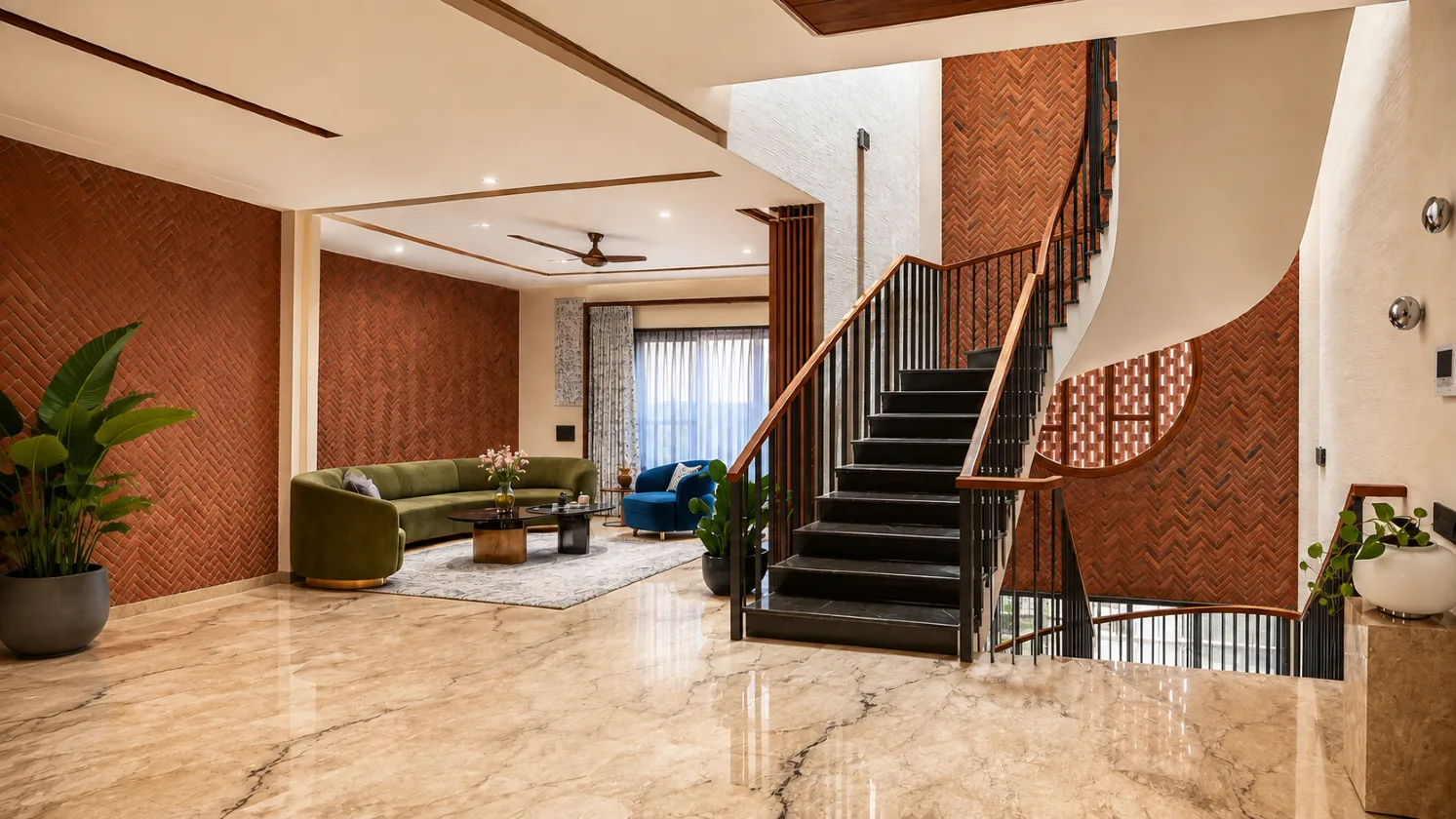
How to Clean & Maintain Exposed Brick Walls
Learn how to clean and maintain exposed brick walls with simple techniques to remove dust, treat stains, prevent moisture damage, and preserve the natural beauty of brick surfaces. Discover practical brick wall care tips for homes and commercial spaces with Heritage Bricks.
Read More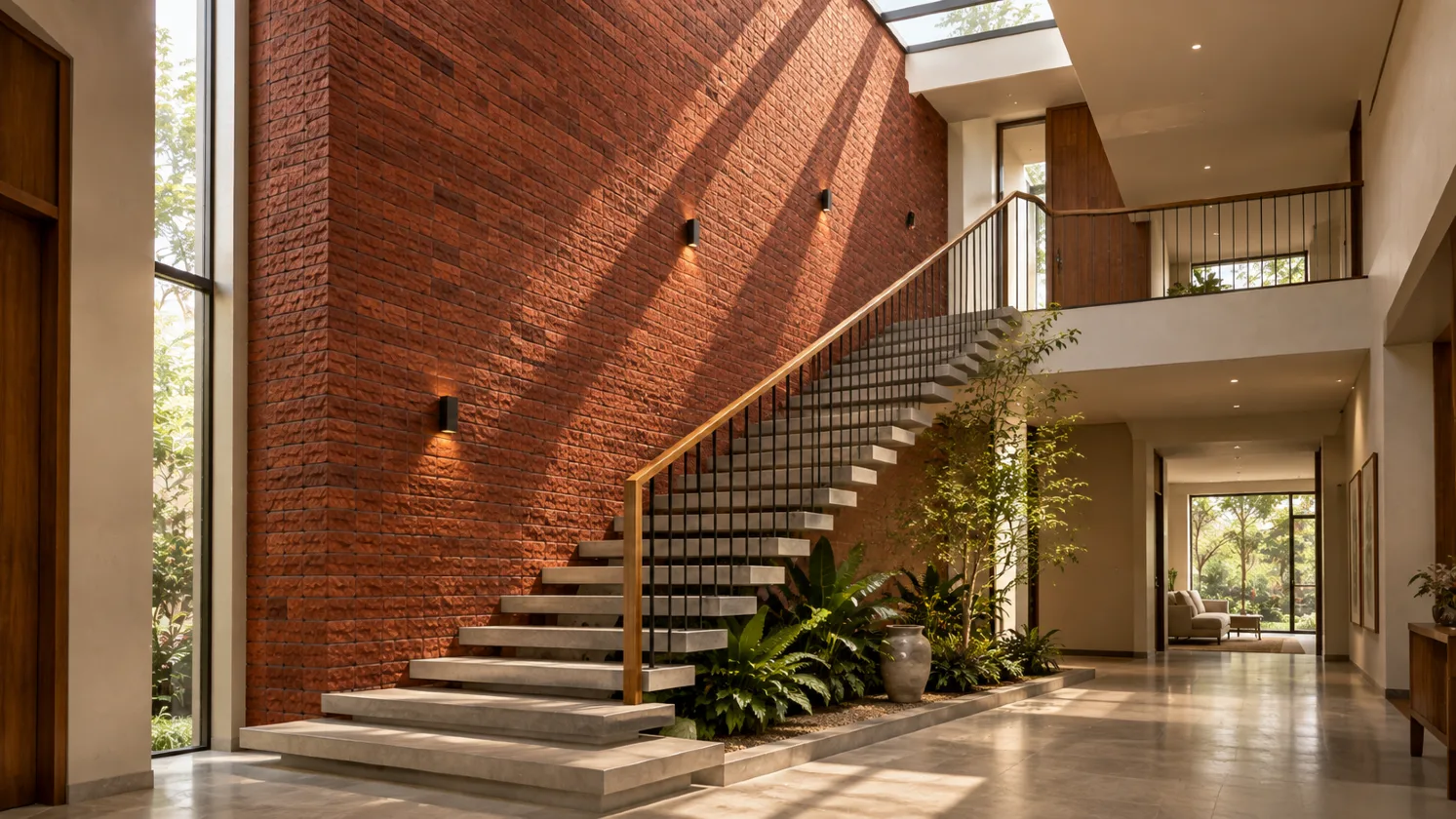
Wire Cut Bricks Price in Chennai 2026 – Latest Rates and Where to Buy
Looking for wire cut bricks price in Chennai in 2026? **Heritage Bricks** offers quality brick solutions for modern homes and architectural projects. Explore pricing factors, compare brick options, and find the right choice for your construction needs.
Read More