

Heritage Bricks recognises the importance of keeping exposed brick walls clean, durable, and visually appealing. Exposed brick walls are a popular choice for residential and commercial interiors because they add natural texture, warmth, and a timeless architectural character. However, dust, moisture, stains, and environmental pollutants can affect their appearance over time. Understanding how to clean and maintain exposed brick walls helps homeowners and property owners preserve their natural finish, prevent avoidable damage, and keep their brick surfaces looking their best for years.
What Are Exposed Brick Walls?
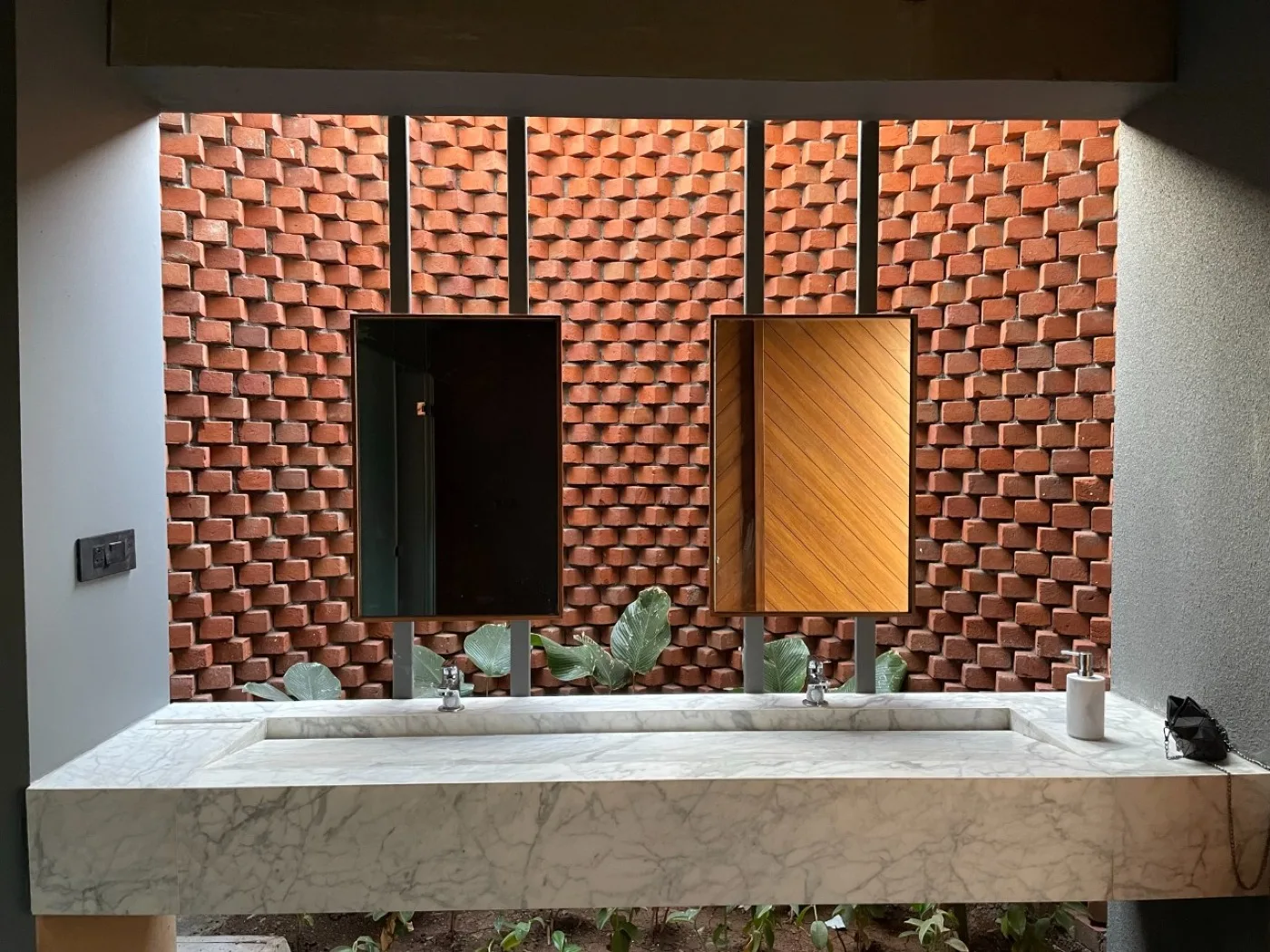
Exposed brick walls are brick surfaces intentionally left visible without covering them with plaster, paint, or other wall finishes. They are commonly used in living rooms, bedrooms, restaurants, offices, commercial spaces, and exterior building designs.
The natural colour, texture, and patterns of the bricks create a distinctive appearance. However, because the brick surface and mortar joints remain exposed, they may collect dust and absorb moisture depending on the brick type, finish, and surrounding conditions.
Regular cleaning and appropriate maintenance are essential to preserve both the appearance and condition of exposed brickwork.
How to Clean Exposed Brick Walls
Cleaning exposed brick walls does not always require specialised equipment. For routine maintenance, a soft brush, a vacuum cleaner with a brush attachment, clean water, and a mild cleaning solution are often sufficient.
Follow these steps to clean your brick wall safely.
1. Remove Loose Dust and Dirt
Start by removing loose dust, cobwebs, and surface dirt using a soft-bristled brush or a vacuum cleaner with a suitable brush attachment.
Work from the top of the wall downwards to prevent dust from settling on already-cleaned areas. Avoid hard scrubbing with metal brushes, as these may damage softer bricks or mortar joints.
2. Prepare a Mild Cleaning Solution
For ordinary dirt, mix a small amount of mild, pH-neutral detergent with clean water. Avoid strong chemical cleaners unless they are specifically recommended for your brick type and application.
Before cleaning the entire wall, test the solution on a small, inconspicuous area. Allow the test area to dry and check for colour changes, surface damage, or residue.
3. Clean the Brick Surface Gently
Use a soft brush or a non-abrasive sponge to clean the surface with the prepared solution. Work in small sections and avoid saturating the wall with excessive water.
Pay attention to the mortar joints, as damaged or weak mortar can deteriorate when scrubbed aggressively.
4. Remove Cleaning Residue
Wipe the cleaned area with a lightly damp cloth or sponge to remove detergent residue. Use as little water as practical, particularly on porous bricks and interior walls.
Allow the wall to dry naturally with adequate ventilation. Avoid applying sealants or decorative coatings until the surface is completely dry and its condition has been assessed.
How to Remove Common Stains from Exposed Brick Walls
Different stains require different cleaning methods. Identifying the cause of a stain before treatment helps reduce the risk of damaging the brickwork.
Dust and Everyday Dirt
Dust and everyday dirt can generally be removed with a soft brush or vacuum cleaner. For stubborn surface dirt, use a mild cleaning solution and a soft sponge.
White Powdery Deposits
White powdery deposits on brickwork may be efflorescence. This occurs when moisture carries soluble salts to the surface, where they remain after the water evaporates.
Allow the area to dry and gently brush off the deposits with a dry, soft-bristled brush. If the deposits return repeatedly, investigate the source of moisture rather than repeatedly cleaning the surface.
Avoid using acid-based cleaners without professional advice, as they may damage bricks, mortar, or nearby finishes.
Grease and Oil Stains
Grease stains may occur near kitchens, outdoor cooking areas, or commercial spaces. Begin with a suitable mild detergent and a soft brush.
For persistent stains, choose a cleaning product specifically approved for the type of brick and follow the manufacturer's instructions. Test the product on a hidden area first.
Mould and Algae
Green growth or dark patches may indicate algae, mould, or another form of biological growth, particularly in damp or poorly ventilated areas.
Identify and address the moisture source before treating the affected surface. Use a brick-compatible cleaning product according to its instructions. Extensive growth, recurring dampness, or indoor mould may require professional assessment.
Cement and Mortar Residue
Construction residue can be difficult to remove without damaging the brick surface. Avoid scraping aggressively or applying concentrated acids. Consult a qualified masonry professional when cement or mortar residue is extensive or firmly bonded.
How to Maintain Exposed Brick Walls
Cleaning removes dirt, but regular maintenance helps prevent recurring problems and supports the long-term condition of the wall.
1. Inspect the Wall Regularly
Check exposed brick walls periodically for cracks, loose mortar, flaking surfaces, white salt deposits, and damp patches. Early identification makes it easier to investigate and address potential problems.
2. Control Moisture and Water Leakage
Moisture is one of the main factors that can affect brickwork and mortar. Inspect nearby plumbing, roof drainage, windows, exterior joints, and other potential sources of water intrusion.
For exterior walls, ensure that rainwater drains away appropriately. Persistent dampness should be investigated before applying any surface treatment.
3. Maintain Proper Indoor Ventilation
For exposed brick walls indoors, adequate ventilation helps manage condensation, particularly in kitchens, bathrooms, and other areas with elevated humidity.
If condensation repeatedly forms on the wall, investigate the ventilation and humidity conditions rather than relying on frequent cleaning alone.
4. Repair Damaged Mortar Joints
Mortar joints help hold brickwork together and protect the gaps between individual bricks. Crumbling, missing, or deteriorated mortar should be assessed and repaired using a compatible mortar.
Older or historic brick walls may require specialist repointing methods. Avoid filling damaged joints with unsuitable cement-based materials without confirming their compatibility with the existing brickwork.
5. Use Sealants Only When Appropriate
Some exposed brick surfaces may benefit from a suitable breathable water-repellent treatment, depending on the brick type, wall location, and exposure conditions. However, sealants are not necessary for every brick wall.
An unsuitable coating may trap moisture, alter the natural appearance, or interfere with the wall's ability to dry. Seek professional advice before applying a sealant, particularly to older masonry or walls affected by dampness.
How Often Should Exposed Brick Walls Be Cleaned?
The ideal cleaning frequency depends on the location, exposure to dust, moisture levels, and how the wall is used.
- Indoor exposed brick walls: Remove dust as needed and carry out a gentle surface clean when visible dirt accumulates.
- Outdoor exposed brick walls: Inspect periodically for rainwater damage, organic growth, staining, and mortar deterioration.
- Kitchen and commercial walls: Check more frequently where grease, airborne particles, or heavy use may cause deposits.
- Damp or shaded walls: Monitor for recurring stains, algae, mould, and moisture-related problems.
Avoid unnecessary deep cleaning. Gentle, regular maintenance is generally preferable to aggressive cleaning treatments.
Common Mistakes to Avoid When Cleaning Brick Walls
To protect the natural appearance and durability of exposed brickwork, avoid these common mistakes:
- Using wire brushes or abrasive tools that may damage the brick surface.
- Applying concentrated acids, bleach, or harsh chemicals without checking compatibility.
- Using high-pressure washing that may erode softer bricks or mortar joints.
- Soaking porous walls with excessive water.
- Painting or sealing a damp wall without identifying the underlying cause.
- Ignoring recurring white deposits, cracks, or water stains.
- Using unsuitable mortar during repairs.
When dealing with fragile, historic, heavily stained, or structurally damaged brickwork, consult a qualified masonry professional before attempting extensive cleaning.
Why Proper Brick Maintenance Matters
Maintaining exposed brick walls offers several practical benefits:
Preserves natural appearance: Regular dust removal and gentle cleaning help retain the brick's original texture and colour.
Helps identify problems early: Routine inspections can reveal moisture intrusion, damaged mortar, and surface deterioration before the problems become more extensive.
Supports long-term durability: Appropriate cleaning and timely repairs help protect the brickwork and mortar joints.
Maintains interior and exterior appeal: Well-maintained brick surfaces can contribute to an attractive appearance in homes, offices, restaurants, and commercial buildings.
Reduces avoidable repairs: Addressing moisture and minor damage early may help prevent more extensive maintenance work later.
Choosing Suitable Bricks for Exposed Wall Designs
The appearance and maintenance needs of an exposed brick wall depend partly on the brick's material, texture, porosity, finish, and installation quality.
Before choosing bricks for an interior feature wall or an exterior application, consider the intended location, expected moisture exposure, desired appearance, and applicable construction requirements.
Heritage Bricks is a useful starting point for customers exploring brick and cladding options for construction projects in Chennai. Review the available products and confirm their specifications, recommended applications, and maintenance requirements before making a selection.
Choosing a suitable product and following the correct installation and maintenance practices can help achieve an exposed brick finish that complements the building design.
Frequently Asked Questions
1. What is the best way to clean exposed brick walls?
For routine cleaning, remove loose dust with a soft brush or vacuum cleaner. Use a mild, pH-neutral cleaning solution for surface dirt, test it on a small area first, and avoid excessive water.
2. Can I use water to clean exposed brick?
Yes, small amounts of water can be suitable for many brick surfaces. However, porous bricks, weak mortar, and moisture-sensitive walls should not be saturated. Use minimal water and allow the wall to dry properly.
3. How do I remove white stains from brick walls?
White powdery stains may be caused by efflorescence. Allow the surface to dry and brush off the deposits gently. If the stains keep returning, investigate the moisture source before using chemical cleaners.
4. Can exposed brick walls be sealed?
Some brick walls can be treated with an appropriate breathable water-repellent product. Whether sealing is suitable depends on the brick, mortar, location, and moisture conditions. Test the product and seek professional advice before application.
5. How can I prevent mould on exposed brick walls?
Identify and correct the moisture source, improve ventilation where necessary, and address leaks or water intrusion. Treat affected surfaces with a compatible cleaning product according to its instructions. Seek professional help for extensive or recurring mould.
6. Are exposed brick walls difficult to maintain?
Not necessarily. Regular dust removal, occasional gentle cleaning, moisture control, and periodic inspections are often sufficient for walls in good condition. Maintenance requirements vary according to the brick type and surrounding environment.
7. Can pressure washing damage exposed brick?
Yes. High-pressure water can erode softer bricks, damage mortar joints, and force moisture into the wall. Use gentler cleaning methods unless a qualified professional confirms that a particular pressure-washing method is appropriate.
8. How can I keep exposed brick walls looking natural?
Use non-abrasive cleaning methods, avoid harsh chemicals, control moisture, and repair damaged mortar with compatible materials. Before applying paint, coatings, or sealants, confirm that they are appropriate for the brick surface.
Keep Your Exposed Brick Walls Beautiful for Years
Exposed brick walls bring natural warmth, texture, and timeless elegance to residential and commercial spaces. With regular cleaning, proper moisture control, and simple maintenance practices, you can preserve their original appearance and maintain their lasting appeal.
Whether you have an exposed brick feature wall in your living room, office, or commercial property, following the right care techniques helps protect the surface and keep it looking attractive. Explore brick and cladding options from Heritage Bricks to enhance your space with a natural and distinctive architectural finish.
Explore Heritage Bricks
Discover available brick and cladding options for your next residential or commercial project in Chennai.
Website:Heritage Bricks
Phone: +91 99402 75111
Head Office: No. 106-1A2, Sivabhootham Village, Vanagaram, Maduravoyal, Chennai, Tamil Nadu – 600095.
Related Posts
Exposed Brick Wall Cost in Chennai 2026 – Material and Labour Breakdown
Explore exposed brick wall cost in Chennai for 2026 with Heritage Bricks. Learn about material prices, labour charges, brick cladding options and budgeting tips for your home or commercial project.
Read More
Wire Cut Bricks Price in Chennai 2026 – Latest Rates and Where to Buy
Looking for wire cut bricks price in Chennai in 2026? **Heritage Bricks** offers quality brick solutions for modern homes and architectural projects. Explore pricing factors, compare brick options, and find the right choice for your construction needs.
Read More
How Many Bricks per Sq. Ft.? Brick Calculator for Chennai Construction
Learn how to calculate the number of bricks required per square foot for Chennai construction projects. Explore wall thickness, brick quantity calculations, wastage estimates, and practical construction tips with Heritage Bricks.
Read More