
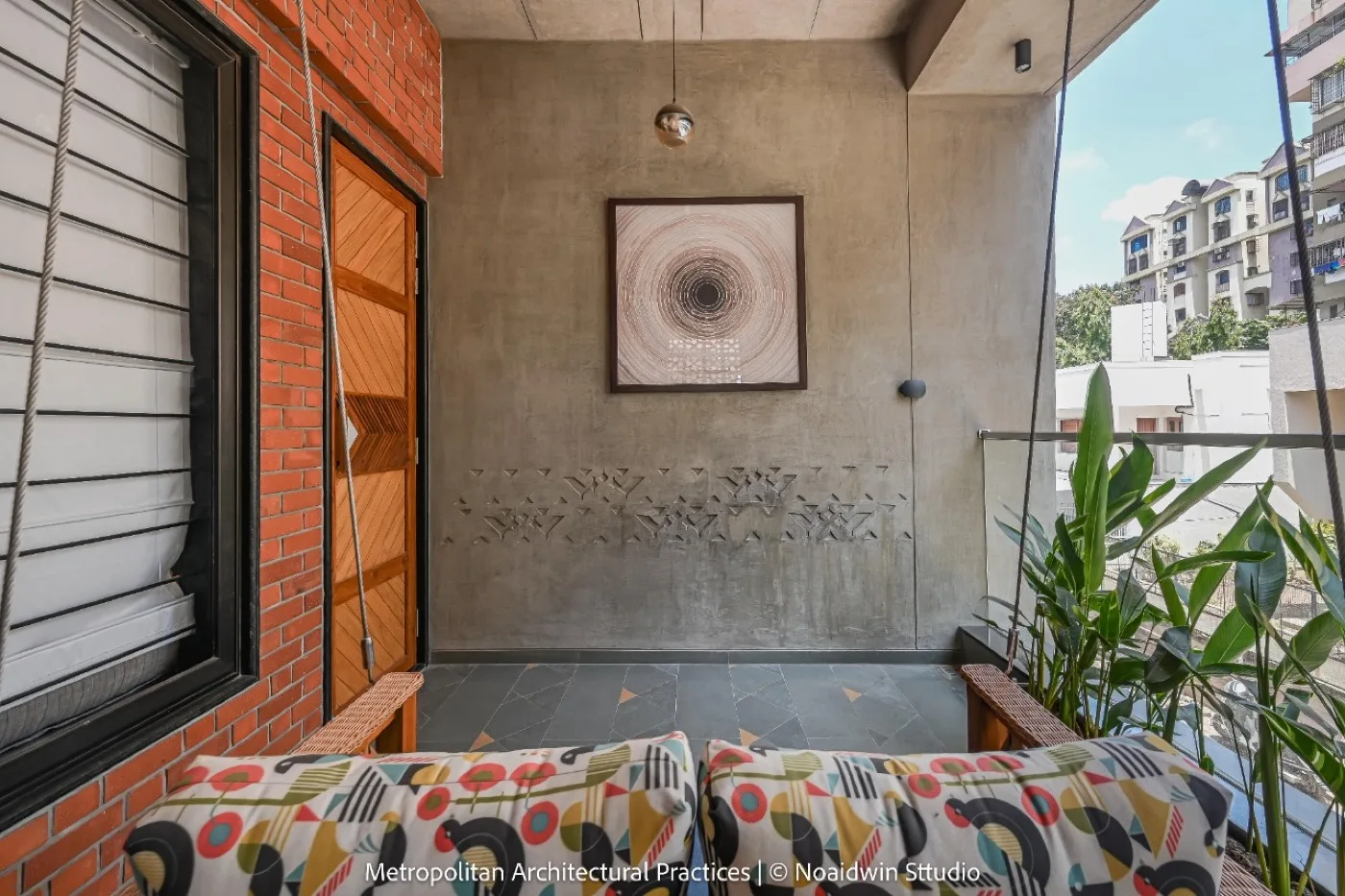
Choosing the right exterior wall finish can make a big difference to your home's appearance, durability and maintenance costs. Heritage Bricks offers architectural brick and cladding solutions for homes and commercial buildings, helping homeowners explore natural textures for their walls. But when it comes to Chennai's hot summers, high humidity and seasonal monsoon rain, is terracotta cladding better than conventional wall tiles? Let's compare their cost, weather resistance, maintenance and design options to help you make the right choice.
What Is the Difference Between Terracotta Cladding and Wall Tiles?
Terracotta cladding uses fired clay products to create a warm, natural-looking wall finish. Its earthy colours and textured surfaces complement contemporary homes, traditional architecture and commercial buildings.
Wall tiles are available in different materials, including ceramic, porcelain and glazed vitrified tiles (GVT). They offer a wide range of colours, patterns and finishes, from stone-inspired surfaces to modern minimalist designs.
The main difference is not simply appearance. The material, water absorption, surface finish and installation system determine how well each option performs outdoors. A tile designed for an indoor wall may not be suitable for an exposed exterior facade.
Which Material Is Better for Chennai's Hot Weather?
Chennai experiences strong sunlight and high outdoor temperatures for much of the year. Exterior walls also experience temperature changes between sunny afternoons and cooler evenings.
Terracotta cladding offers a natural clay appearance that works well with contemporary Indian architecture. Some specialised terracotta facade systems use hollow sections or ventilated cavities to help manage heat transfer through the building envelope. However, these benefits depend on the complete wall system rather than the clay surface alone.
Wall tiles can also perform well in hot conditions when the selected product is suitable for exterior use. Light-coloured finishes may reflect more sunlight than darker finishes, while the underlying wall construction and insulation also influence indoor temperatures.
What should you choose? Consider terracotta cladding if you prefer natural earthy tones and a textured architectural finish. Choose exterior-rated wall tiles if you want a particular colour, pattern or a more uniform appearance. In both cases, check the manufacturer's technical specifications before installation.
How Do They Perform During Chennai's Monsoon?
Rain resistance is one of the most important considerations when selecting exterior wall materials.
Terracotta is a fired clay material, but its water absorption varies with the product and manufacturing process. Some terracotta products are relatively porous and may require suitable detailing or protective treatment. Poorly designed joints or inadequate drainage can also lead to moisture-related problems.
Wall tiles are not all equally water-resistant either. Certain ceramic wall tiles are intended primarily for indoor use, while exterior-rated vitrified or porcelain products may offer lower water absorption. The correct adhesive, jointing materials, movement joints and substrate preparation are essential for reliable performance.
For either option, check these details before purchasing:
- Confirm that the product is rated for the intended exterior application.
- Ask about water absorption and weather-resistance specifications.
- Ensure proper detailing around windows, parapets and wall edges.
- Use a compatible fixing system and suitable jointing materials.
- Arrange periodic inspections, especially after the monsoon.
For specialised terracotta rainscreen systems, drainage and ventilation behind the cladding are important parts of the overall weather-protection design. https://www.builddesignhub.com/materials-library/exterior-cladding/terracotta-rainscreen
Which Option Is More Affordable?
The total cost depends on the product and the installation method. Comparing only the price per square foot can be misleading because preparation, fixing materials, labour and finishing may differ considerably.
Terracotta cladding costs can vary according to the brick or tile format, surface texture, product thickness and whether a direct-fixing or mechanical system is required.
Wall tile prices depend on the material, size, finish, brand and grade. Standard tiles may offer economical choices, while large-format or premium exterior-rated tiles can increase the project budget.
To compare quotations fairly, ask each supplier to include:
- Material cost per square foot.
- Adhesive, brackets or other fixing materials, as applicable.
- Installation labour and surface preparation.
- Cutting, corners, joints and finishing.
- Transportation, scaffolding and any protective treatment.
- Maintenance requirements and product warranty, where offered.
A lower initial price does not necessarily mean a lower long-term cost. Product suitability and installation quality are important for avoiding repairs.
Design Ideas for Chennai Homes
1. Terracotta Cladding with Cream Walls
Combine warm terracotta tones with cream or off-white plaster for a balanced exterior. This pairing works well for modern Indian homes, entrance walls and selected facade sections.
2. Terracotta with Wood and Stone
Terracotta cladding can complement natural stone pathways, wooden doors and neutral architectural finishes. Use it as a feature rather than covering every surface if you prefer a clean, contemporary look.
3. Modern Homes with Exterior Wall Tiles
Large-format, exterior-rated wall tiles can create a neat and uniform facade. Stone-look and concrete-look finishes are useful options for homeowners who prefer a minimalist appearance.
4. Mixed-Material Facades
Combine terracotta cladding with carefully selected wall tiles, plaster or exposed brick to create contrast. Keep the colour palette coordinated and ensure that the junctions between different materials are properly detailed.
Why Consider Heritage Bricks for Terracotta Cladding?
Looking for architectural brick finishes for your next project? Heritage Bricks offers brick and cladding solutions for residential and commercial applications. Terracotta-inspired finishes can add warmth and natural texture to selected exterior walls, entrance features and architectural elevations.
Before choosing a product, compare its dimensions, colour, texture, intended application and installation requirements. Ask for current pricing and technical specifications to confirm that the selected material suits Chennai's weather conditions and your project budget.
Frequently Asked Questions
1. Is terracotta cladding suitable for Chennai weather?
It can be suitable when the product is designed for exterior use and installed with appropriate moisture management and fixing details. Performance depends on the specific terracotta product and wall system.
2. Are wall tiles better than terracotta cladding for exterior walls?
Not always. Exterior-rated wall tiles provide a broad choice of colours and finishes, while terracotta offers a natural clay appearance. The best option depends on weather exposure, product specifications, design preferences and budget.
3. Does terracotta cladding make a home cooler?
Some specialised terracotta facade systems can help reduce heat transfer, particularly when designed with a ventilated cavity. The actual benefit depends on the complete wall construction, orientation, insulation and ventilation.
4. Do terracotta cladding walls need sealing?
Not every product requires the same treatment. Ask the manufacturer whether sealing is recommended for the specific product, and use only compatible treatments that will not cause moisture-related problems.
5. Which is easier to maintain: terracotta cladding or wall tiles?
Both require appropriate cleaning and periodic inspection. Maintenance depends on surface texture, exposure to rain and dust, joint design and the product's technical requirements.
Choose the Right Wall Finish for Your Home
Terracotta cladding and wall tiles can both create attractive exterior walls when the products are selected and installed correctly. Terracotta is a strong design choice for homeowners who appreciate natural clay textures, while exterior-rated wall tiles offer greater variety in colours and surface patterns.
For Chennai's climate, focus on weather suitability, water absorption, fixing methods and long-term maintenance rather than appearance alone. Compare product specifications and complete installation quotations before making your decision.
Explore architectural brick and cladding options from Heritage Bricks to find a finish that complements your home and design requirements.
Contact Heritage Bricks
Head Office
No. 106-1A2, Sivabhootham Village,
Vanagaram, Maduravoyal,
Chennai, Tamil Nadu – 600095.
Office Operated – Bengaluru
No. 80, Sarjapura Main Road,
Sulikunte, Dommasandra,
Bengaluru – 562125.
Phone: +91 99402 75111
Website: https://www.heritagebricks.in/
Related Posts
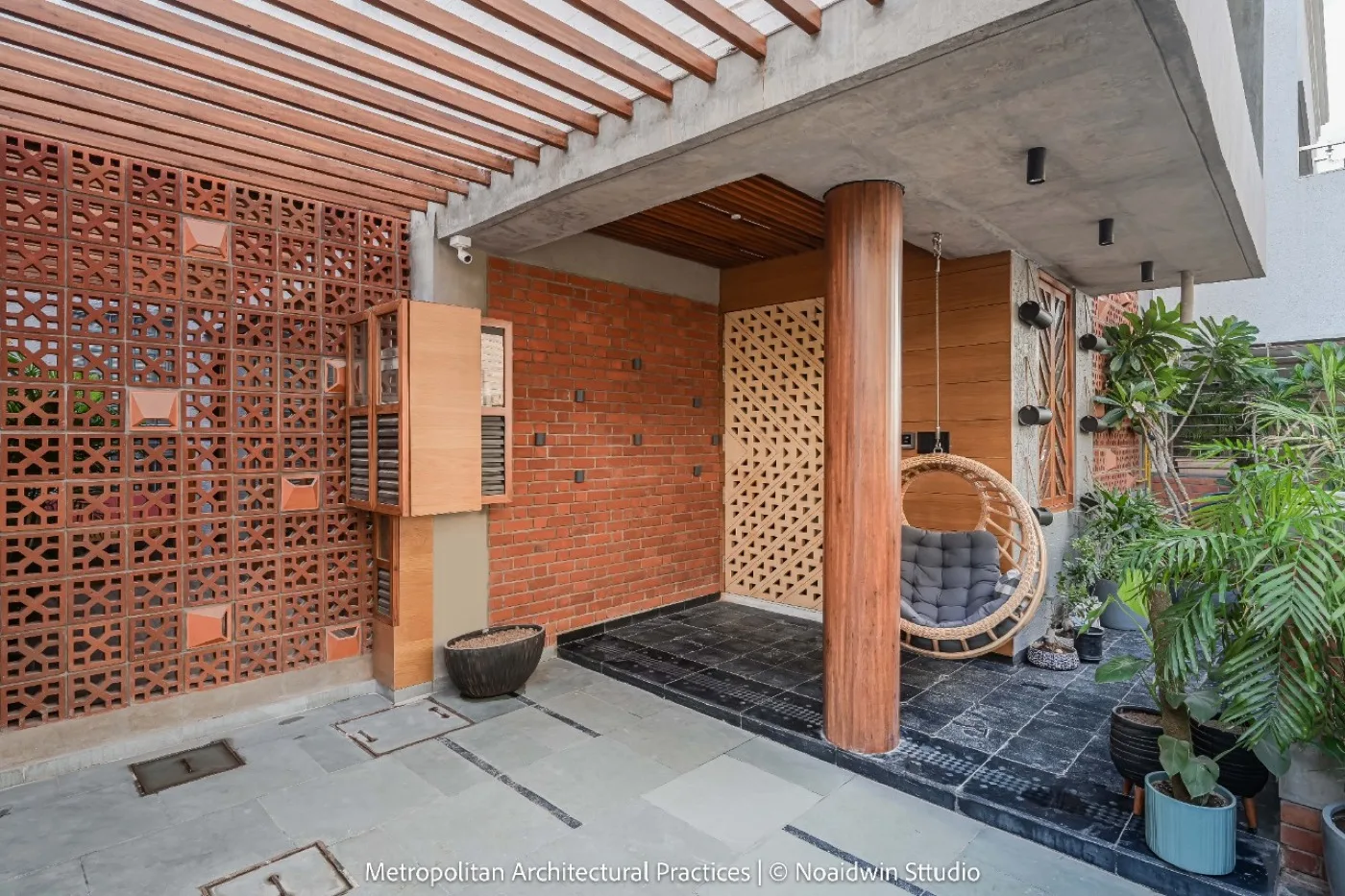
Chettinad-Style Homes: Using Terracotta & Brick in Modern Chennai Houses
Discover how to bring traditional Chettinad architecture into modern Chennai homes using terracotta tiles, exposed brick walls, decorative jaali screens, and natural materials. Explore design ideas for living rooms, house front elevations, courtyards, and exterior facades with Heritage Bricks.
Read More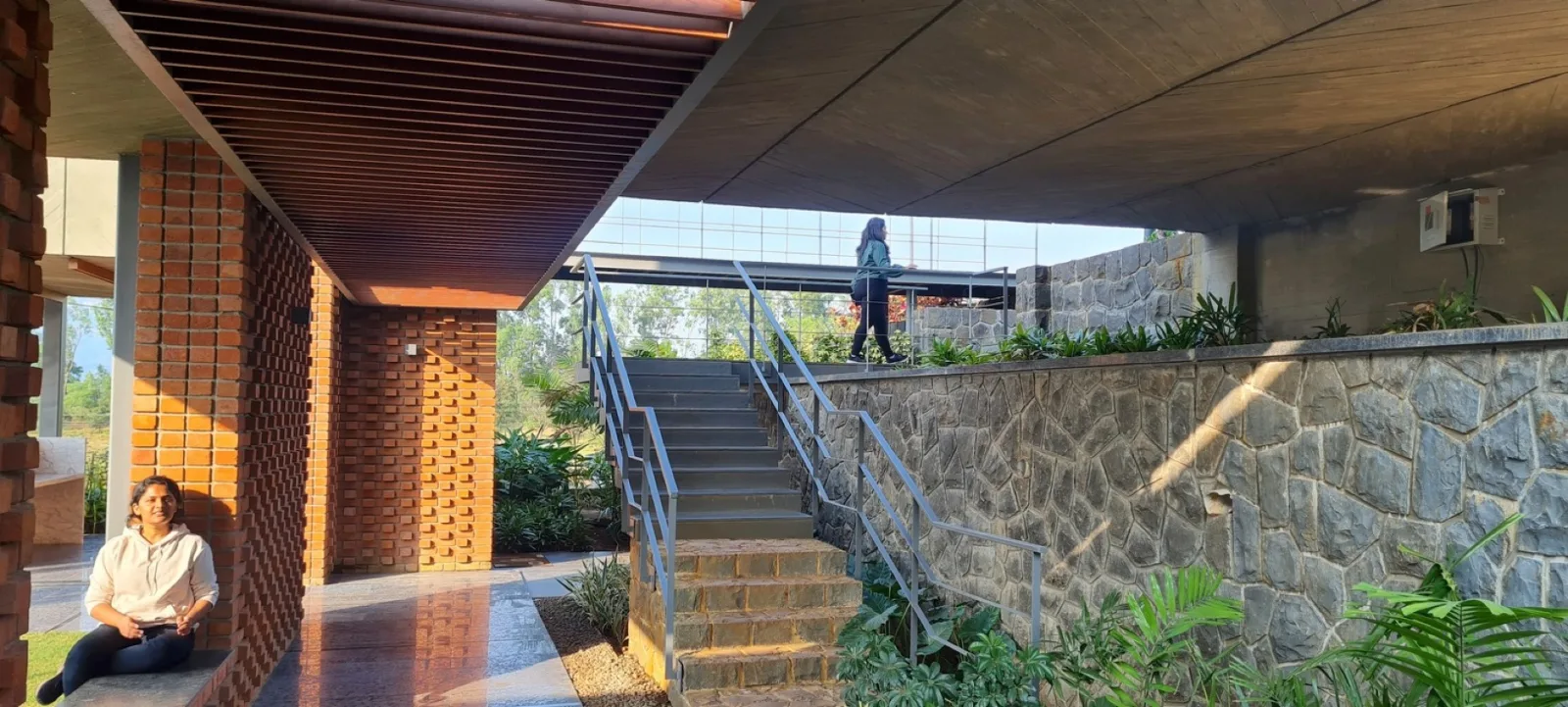
Best Terracotta Bricks Suppliers in Chennai – How to Choose the Right One
Find the best terracotta bricks suppliers in Chennai with Heritage Bricks. Explore brick quality, pricing, designs and expert tips for choosing the right bricks for your project.
Read More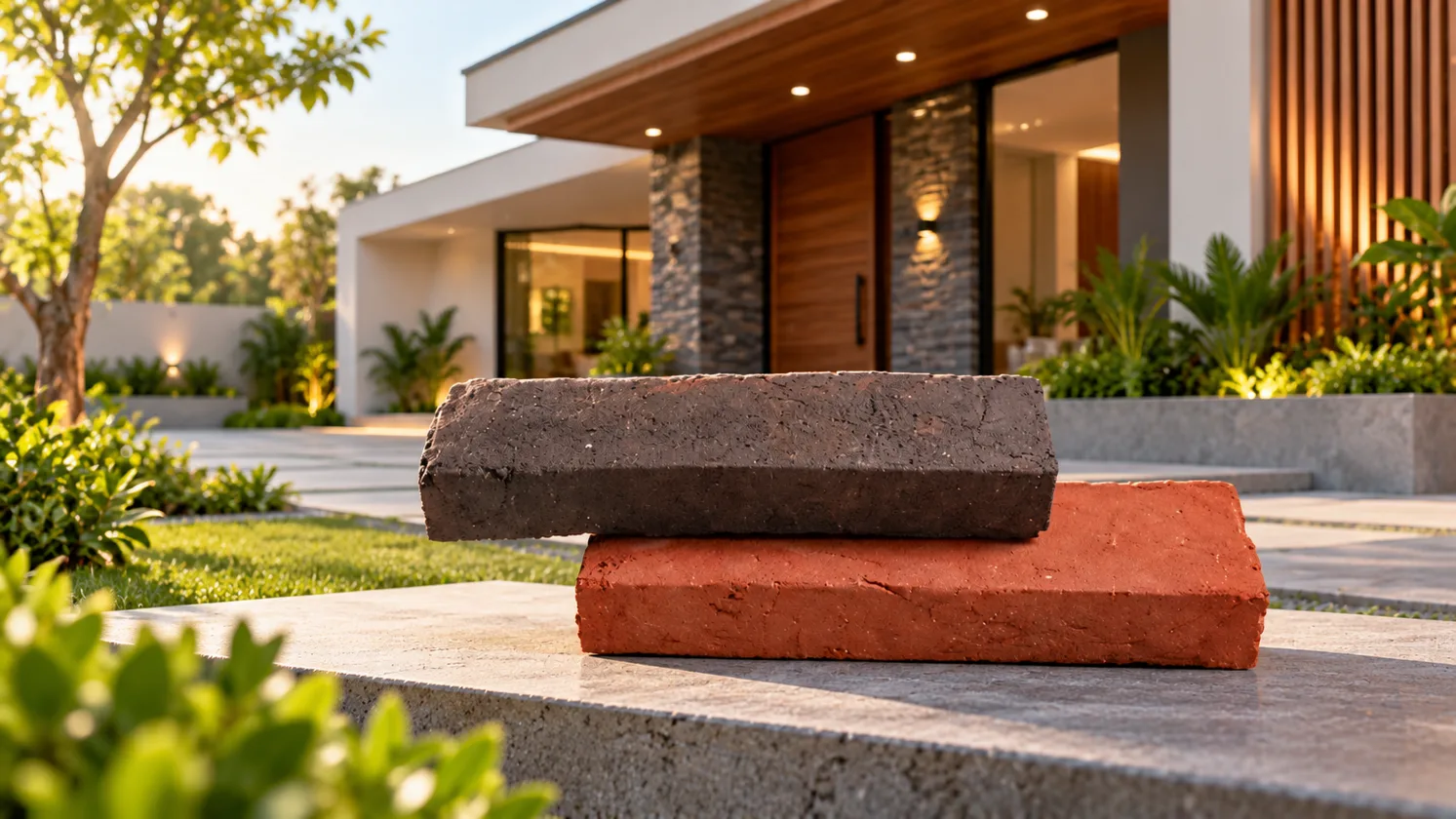
Terracotta Cladding Tiles Price in Chennai 2026 – Per Sq Ft Rate Guide
Discover terracotta cladding tiles price in Chennai for 2026 with Heritage Bricks. Explore high-quality clay cladding options, compare per sq. ft. rates, understand installation costs, and find affordable solutions for modern home exteriors and commercial projects.
Read More