
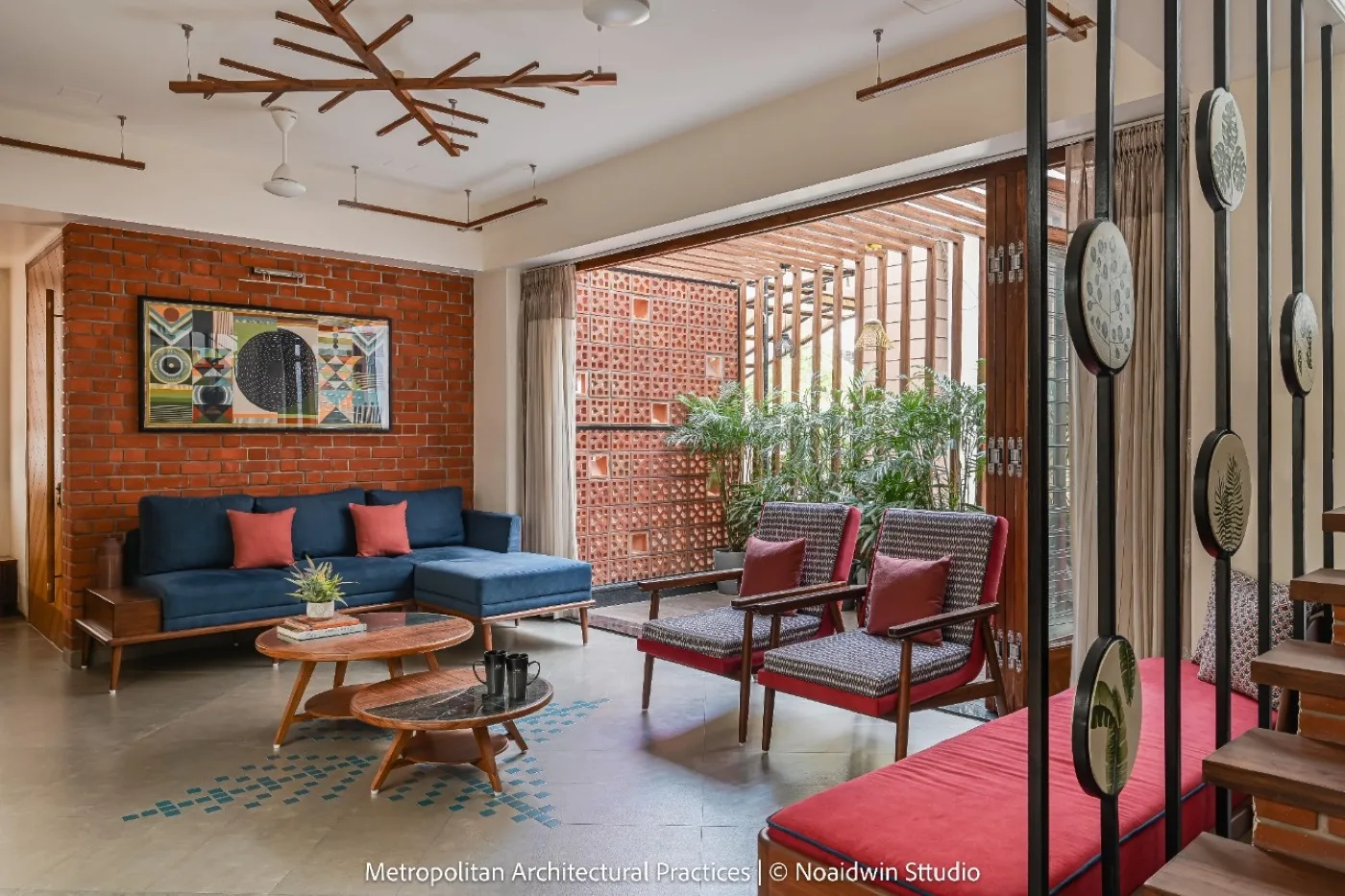
Heritage Bricks offers terracotta jaali designs that bring together traditional architectural beauty and modern building requirements. In Chennai, where strong sunlight, high temperatures, and humidity can increase the need for indoor cooling, terracotta jaali walls can help manage direct sunlight while allowing natural light and air to pass through. When planned correctly, these decorative screens can reduce unwanted solar heat gain, improve ventilation in suitable spaces, and potentially lower dependence on air conditioning. For homeowners, architects, and builders, terracotta jaali is an attractive way to combine climate-conscious design with a distinctive exterior finish.
Why Chennai Homes Need Better Heat Management
Chennai's coastal climate creates several challenges for residential and commercial buildings. Exterior walls and windows exposed to direct sunlight can absorb heat, while humid conditions may make indoor spaces feel uncomfortable. As a result, many households rely on air conditioners and fans to maintain comfortable temperatures.
However, indoor cooling costs depend on several factors, including building orientation, roof insulation, window placement, ventilation, and the number of hours air conditioners operate.
One way to address heat gain is to plan the building exterior so that it blocks some direct sunlight before the rays reach windows and exposed walls. This is where terracotta jaali walls can be useful.
Unlike a completely solid wall, a jaali is a patterned screen with openings. These openings allow daylight and airflow while the solid portions provide partial shade. Research on traditional jaali architecture identifies shading, ventilation, and control of solar radiation as important design functions. <Cite refs={["turn967116search1","turn967116search0"]}/>
1. Terracotta Jaali Helps Block Direct Sunlight
Direct sunlight entering through windows can heat indoor surfaces and increase the cooling load, especially when windows face directions that receive strong sunlight.
A terracotta jaali installed in front of a suitable window or opening acts as an external shading layer. The clay pattern blocks some direct solar radiation while allowing filtered daylight to enter through the openings.
This can be useful in Chennai homes with exposed balconies, large windows, staircases, and semi-open outdoor areas.
For example, a west-facing window may receive strong afternoon sunlight. A properly positioned jaali screen can shade part of the window, depending on its pattern, depth, orientation, and distance from the glazing.
The result is not complete darkness or total heat prevention. Instead, the screen provides a balance between shading, daylight, and visual openness.
For the best results, architects should consider the direction of sunlight throughout the day before deciding where to install a terracotta jaali wall.
2. How Jaali Walls Can Help Reduce Air Conditioning Usage
Air conditioners consume electricity to remove heat from indoor spaces. When a building receives less unwanted heat from direct sunlight, the cooling system may have less heat to remove.
Terracotta jaali can support this approach by shading exposed windows and creating a partially shaded transition between outdoor and indoor areas.
The potential benefits include:
- Reducing direct sunlight reaching selected windows.
- Limiting solar heat gain through appropriately shaded glazing.
- Providing shaded areas around balconies and entrances.
- Supporting natural ventilation when windows and openings are designed for airflow.
- Improving daylight quality by filtering direct sunlight.
However, a jaali wall does not automatically reduce electricity bills. The actual savings depend on the building, the screen design, the weather, the ventilation strategy, and how frequently air conditioning is used.
A jaali screen is best considered one part of an energy-conscious design rather than a replacement for insulation, efficient air conditioners, or other cooling strategies.
3. Natural Ventilation for Chennai's Warm Weather
Air movement is an important factor in thermal comfort. When outdoor conditions are suitable, cross-ventilation can help move warm indoor air out and bring fresh air into a building.
Terracotta jaali walls can provide openings that support airflow in suitable locations. They may be useful for semi-open staircases, verandas, balconies, courtyards, and transitional spaces between indoors and outdoors.
Consider a home with a semi-open staircase. A carefully positioned jaali screen can allow daylight and air to pass through while creating an architectural feature. Depending on the building layout, it may help reduce the need for fully enclosed, artificially lit or ventilated spaces.
For effective natural ventilation, the building also needs suitable inlet and outlet openings, a favourable pressure difference, and a layout that allows air to move through the occupied areas.
Chennai's humidity is an important consideration. Natural ventilation does not always cool a room, especially when outdoor air is hotter or more humid than the indoor air. Air conditioning may still be necessary during particularly hot or humid periods.
4. Terracotta Jaali Can Create a Shaded Air Buffer
When a jaali screen is installed outside a window or glazed façade with an appropriate gap, the space between the screen and the building can act as a shaded buffer.
The outer screen intercepts part of the incoming sunlight before it reaches the glazing. Depending on the design and airflow, heat accumulated in this space may be carried away by moving air.
This approach is particularly relevant to buildings with large glazed areas, where solar heat gain can increase cooling demand.
The design must account for the depth of the gap, the amount of open area, screen orientation, and how air enters and exits the cavity. A poorly ventilated gap may not provide the intended benefit.
For Chennai projects, architects should also consider wind-driven rain, drainage, cleaning access, and the durability of the fixing system.
5. Can Terracotta Jaali Walls Reduce Electricity Bills?
Yes, they can potentially contribute to lower cooling-related electricity consumption when the design effectively reduces solar heat gain or supports useful natural ventilation. However, the amount saved cannot be determined from the material alone.
The following example illustrates how to estimate the possible financial benefit without assuming that every jaali installation produces the same savings.
Suppose a household spends ₹3,000 per month on electricity, of which an estimated ₹1,500 is attributable to air conditioning. If a building improvement reduced the air-conditioning-related portion by 10%, the estimated saving would be ₹150 per month.
This is an illustration, not a prediction of terracotta jaali performance.
Example calculationAmount
Monthly electricity bill | ₹3,000
Estimated AC-related portion | ₹1,500
Hypothetical reduction in AC-related cost | 10%
Estimated monthly saving | ₹150
Estimated annual saving | ₹1,800
Actual savings may be lower, higher, or negligible depending on the building and usage. The 10% figure is only a hypothetical assumption and is not a measured saving for Heritage Bricks products.
For a reliable estimate, compare electricity usage before and after installation while accounting for weather, occupancy, AC settings, and operating hours. A building energy assessment can provide a more dependable estimate for larger projects.
6. Terracotta Jaali vs Solid Walls for Heat Control
Both solid walls and jaali screens have useful architectural functions, but they work differently.
FeatureTerracotta Jaali WallSolid Wall
Sunlight | Filters sunlight through patterned openings | Blocks direct sunlight where the wall is opaque
Airflow | Allows air through the openings | Generally blocks airflow
Privacy | Provides partial visual screening | Usually provides greater visual privacy
Daylight | Allows filtered daylight into suitable spaces | Blocks daylight unless windows or openings are included
Heat control | Can shade windows and support ventilation when correctly designed | Depends on wall construction, insulation, orientation, and shading
Best application | Balconies, screens, courtyards, staircases, and selected façades | Boundaries, room enclosures, and areas needing separation
A jaali is not necessarily a substitute for an insulated external wall. It is often most effective as a secondary screen or as a feature in semi-open spaces where airflow and filtered daylight are desirable.
7. Where Should You Install Terracotta Jaali in a Chennai Home?
The location of a jaali screen affects how useful it will be. Before choosing a pattern, consider the direction of sunlight, privacy needs, ventilation, and exposure to rain.
West-Facing Windows
West-facing windows can receive strong afternoon sunlight. An external jaali screen may provide useful shading when appropriately designed and positioned.
Balconies
Terracotta jaali can create partial privacy while allowing light and air to pass through. It can also give the balcony a more distinctive architectural appearance.
Staircases
Screens can introduce daylight into stairwell areas and create a visual connection between floors. The design must comply with applicable structural and fall-protection requirements.
Courtyards and Verandas
Jaali walls can define semi-open spaces while maintaining a sense of openness. They are particularly useful when the goal is to combine filtered light with architectural detail.
Building Entrances
A terracotta jaali panel can serve as a decorative feature near an entrance, helping create a transition between the exterior and interior.
For each application, the pattern, opening size, fixing method, and overall wall design should suit the project's functional and climatic requirements.
8. How to Choose the Right Terracotta Jaali Design
Choosing a design involves more than selecting an attractive pattern. The opening ratio, screen depth, orientation, and installation method influence how the screen performs.
Consider these factors before purchasing:
Pattern and opening size: Larger openings generally allow more light and airflow but provide less screening. Smaller openings may provide greater shading and privacy but can reduce airflow and daylight.
Screen orientation: The direction of sunlight determines how much shading a screen can provide. East- and west-facing façades may require different solutions from other orientations.
Installation location: A screen outside a window has a different function from a decorative divider inside a courtyard.
Structural support: The supporting structure and fixings must be suitable for the weight of the screen and the local wind conditions.
Weather protection: Exterior screens need suitable drainage, secure fixing, and detailing for wind-driven rain.
Maintenance access: Choose a design that can be inspected and cleaned safely.
Product specifications: Confirm the intended application, dimensions, material characteristics, and installation recommendations with the supplier.
The best terracotta jaali design balances the appearance of the pattern with the practical needs of the building.
9. Why Choose Heritage Bricks for Terracotta Jaali?
Heritage Bricks offers terracotta jaali designs for architects, builders, and homeowners looking to add patterned clay screens to their projects.
Terracotta jaali can complement modern villas, independent houses, apartment buildings, courtyards, and commercial properties. The right pattern can introduce natural clay colour, visual privacy, filtered daylight, and architectural depth.
When exploring Heritage Bricks collections, consider the following:
- Select a design that suits your building's architectural style.
- Discuss whether the product is suitable for the intended exterior application.
- Consider the screen's orientation and expected shading function.
- Confirm the recommended installation and fixing method.
- Evaluate maintenance access and weather exposure before finalising the design.
For projects where reducing heat gain is a priority, discuss the placement of the jaali with your architect. A well-designed screen should work with the building's windows, shading devices, ventilation, and insulation rather than being treated as an isolated solution.
Frequently Asked Questions
Do terracotta jaali walls reduce heat in Chennai homes?
They can help reduce direct solar exposure when positioned to shade windows or other sun-exposed areas. The benefit depends on the design, orientation, opening ratio, and building layout.
Can terracotta jaali reduce AC electricity bills?
They may help reduce cooling demand when they effectively limit solar heat gain or support useful natural ventilation. The actual electricity savings depend on the property and cannot be guaranteed for every installation.
Is terracotta jaali suitable for Chennai's humid climate?
It can be suitable when the selected product and installation details are appropriate for the exposure conditions. Drainage, rain protection, fixing durability, and maintenance should be considered.
Does a jaali wall make a room cooler without an air conditioner?
Not necessarily. A jaali can provide shading and allow airflow, but indoor comfort depends on outdoor temperature, humidity, wind, ventilation, and other building features.
Which jaali pattern is best for reducing sunlight?
There is no single best pattern for every building. The screen's orientation, opening ratio, depth, and position relative to the window all affect shading performance.
Can terracotta jaali be used in modern villas?
Yes. Terracotta jaali can be incorporated into balconies, staircases, courtyards, entrance screens, and selected façade sections in contemporary residential designs.
Is terracotta jaali better than glass for Chennai weather?
They serve different purposes. Glass provides visibility and weather separation, while jaali provides partial screening and airflow. An external jaali can sometimes be combined with glazing to provide shade while retaining a weather-resistant interior enclosure.
How do I maintain terracotta jaali walls?
Inspect the screen and fixings periodically, remove dust using an appropriate cleaning method, and check for damage or moisture-related issues. Follow the supplier's product-specific maintenance recommendations.
Build Cooler, More Thoughtful Spaces with Heritage Bricks
Terracotta jaali walls offer more than decorative appeal. When incorporated into a suitable architectural design, they can provide partial shade, filtered daylight, airflow, and privacy. In Chennai, these features can help manage solar heat gain and potentially reduce cooling-related electricity consumption in suitable applications.
The key is to select the right pattern, install the screen in the right location, and combine it with effective ventilation, roof insulation, window shading, and appropriate building materials. Because every building is different, electricity savings should be estimated from the actual design and usage rather than assumed from the product alone.
Explore terracotta jaali options from Heritage Bricks to find a design that complements your home or commercial project.
Contact Heritage Bricks
Website: https://www.heritagebricks.in/
Phone: +91 99402 75111
Head Office
No. 106-1A2, Sivabhootham Village, Vanagaram, Maduravoyal, Vanagaram, Tamil Nadu – 600095.
Office Operated
No. 80, Sarjapura Main Road, Sulikunte, Dommasandra, Bengaluru – 562125.
Related Posts
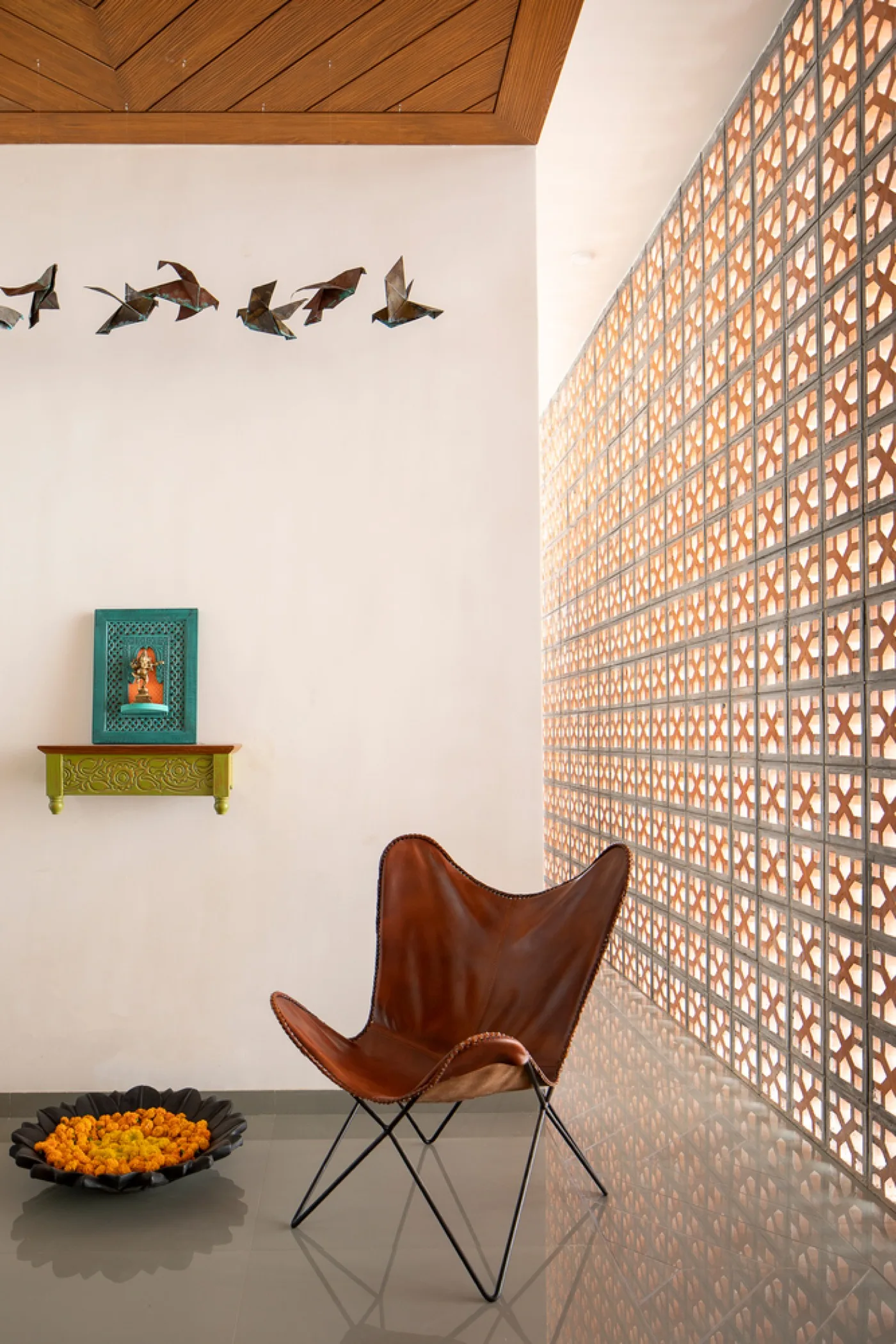
Jaali Bricks Price in Chennai 2026 – Design Ideas for Modern Homes
Discover jaali bricks price in Chennai with Heritage Bricks. Compare design options, material costs and stylish jaali brick ideas for modern homes, balconies and exterior walls
Read More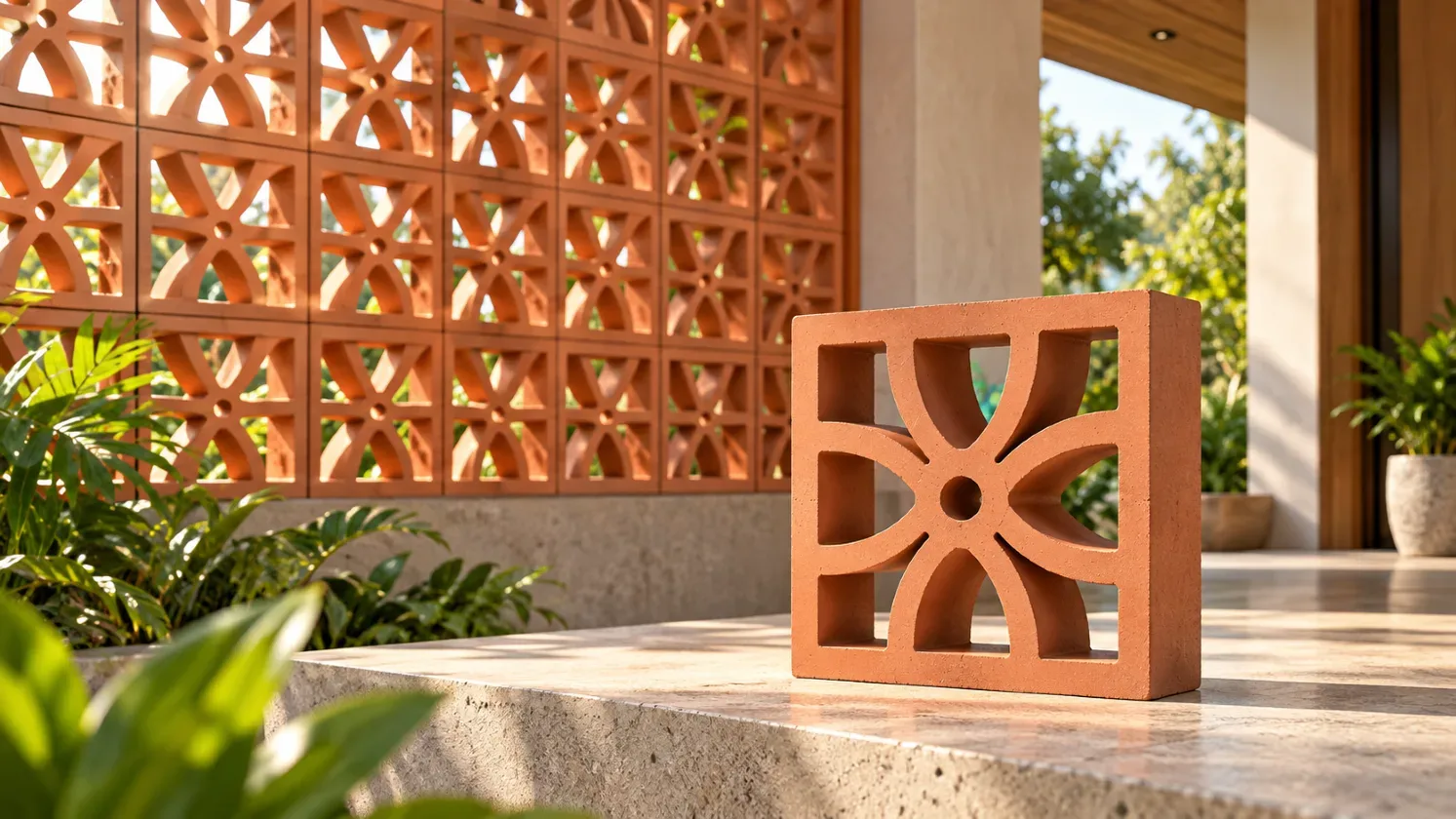
Top Jaali Manufacturer in Bangalore, India – Heritage Bricks
Discover terracotta jaali designs for modern homes and commercial buildings in Bangalore. Explore distinctive patterns, architectural applications, and the Heritage Bricks jaali collection.
Read More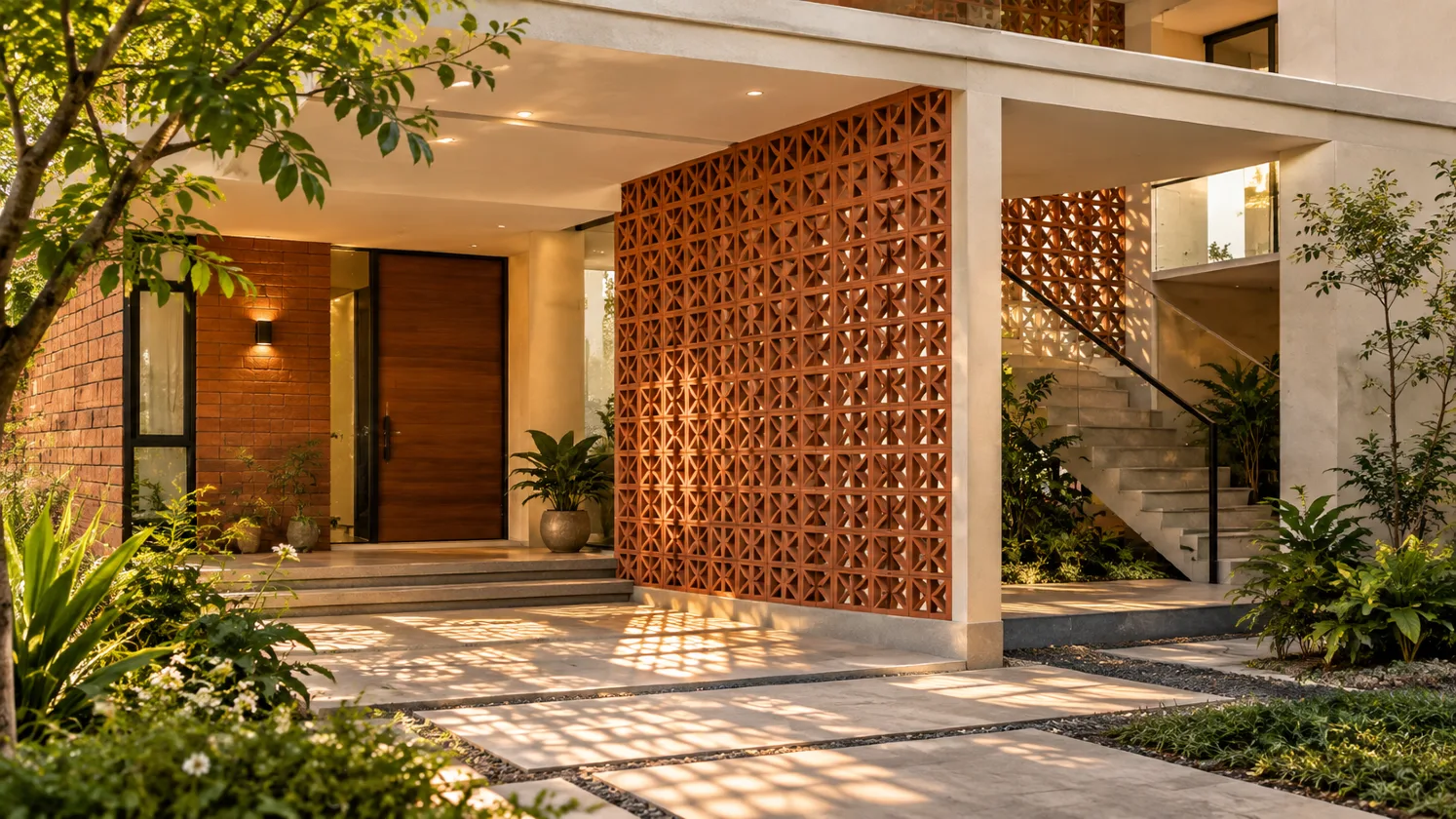
Unique Jali Wall Designs for Modern Indian Homes and Facades
Discover unique jali wall design ideas for modern Indian homes and facades. Explore how terracotta jali can add style, natural ventilation, privacy, and architectural character to contemporary spaces.
Read More