
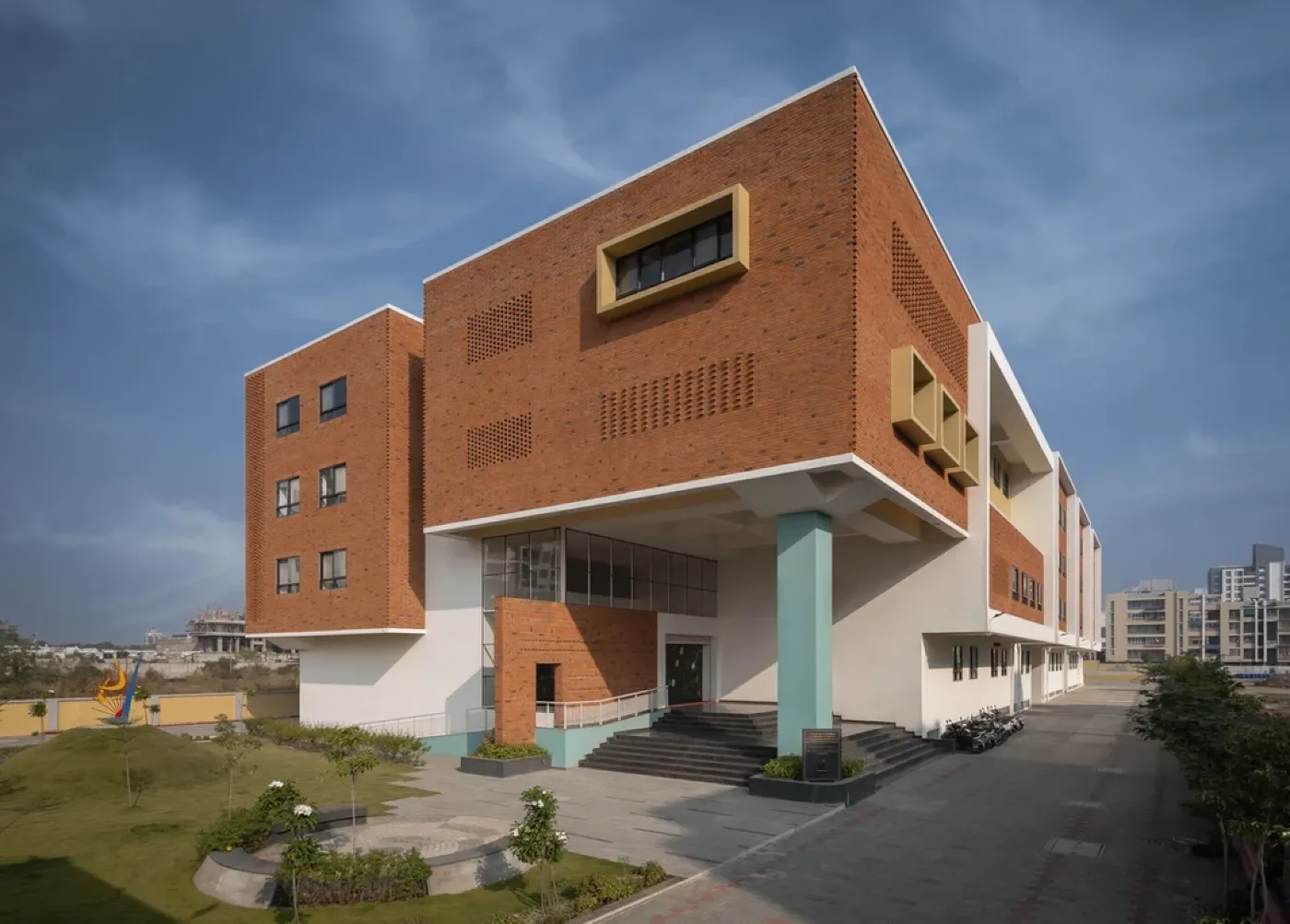
How Wall Cladding Enhances Architectural Facades
The facade is one of the first things people notice when they see a building. It creates the first impression and plays an important role in the overall appearance of a home, office, hotel, or commercial space. A well-designed facade can make a building look modern, elegant, warm, or distinctive. One of the most effective ways to improve the appearance of an exterior is by using wall cladding.
Wall cladding adds an additional layer of material to a wall, creating a more attractive and finished appearance. Today, homeowners, architects, and designers are exploring different cladding materials and designs to create unique architectural facades. Brick cladding and terracotta wall cladding are especially popular for projects that need natural textures, earthy colours, and timeless character.
What Is Wall Cladding?
Wall cladding is a covering or surface layer installed over a wall to improve its appearance and create a distinctive architectural finish. Depending on the design, cladding can be used across an entire facade or only on selected sections of a building.
Modern wall cladding is available in different materials, colours, textures, shapes, and patterns. This gives architects and homeowners greater freedom when designing exterior walls. Brick cladding, terracotta cladding, stone-inspired finishes, and other architectural surfaces can all be used to create different visual effects.
The right cladding can turn a simple exterior wall into an important design feature.
Creates a Strong First Impression
A building facade sets the visual tone for the entire property. Plain painted walls can sometimes look simple, while a carefully selected cladding design can give the building more depth and character.
Brick wall cladding, for example, can create a warm and sophisticated appearance. Terracotta cladding can introduce earthy colours and natural textures. These finishes can work well with glass, wood, concrete, metal, and other modern architectural materials.
By combining different surfaces, designers can create facades that look visually balanced and attractive.
Adds Texture and Visual Depth
One of the biggest advantages of architectural wall cladding is the texture it brings to a building.
A flat exterior surface may look plain, but textured cladding creates light and shadow across the facade. As sunlight changes throughout the day, the texture can create different visual effects.
Brick cladding can provide a strong architectural pattern, while terracotta surfaces can add subtle variations in colour and texture. This makes the facade more interesting without requiring complicated architectural forms.
For modern buildings, textured wall cladding can be used to highlight entrance walls, balconies, columns, boundary walls, or selected facade sections.
Supports Modern Architectural Designs
Wall cladding works well with contemporary architecture because it can be combined with clean lines and simple building forms.
For example, a modern home can use terracotta cladding around the entrance while keeping the remaining walls in a neutral finish. A commercial building can combine brick cladding with large glass windows to create a balanced contrast between natural and modern materials.
Linear cladding can also be used to create horizontal or vertical patterns on exterior walls. These patterns can visually change the proportions of a building and give the facade a more contemporary appearance.
Brings Natural Colours to the Facade
Colour has a major influence on architectural design. Natural earthy shades can make a building feel warm, welcoming, and connected to its surroundings.
Terracotta and brick cladding are available in a range of earthy tones, including red, orange, brown, charcoal, pink, and blended shades. These colours can be selected according to the architectural style and surrounding environment.
For a modern minimalist building, darker brick or charcoal tones can create a bold appearance. For a warm residential facade, traditional red and earthy terracotta shades can create a more welcoming look.
Creates Feature Walls and Focal Points
Wall cladding does not always have to cover the complete facade. In many projects, it is more effective when used selectively.
A cladding feature wall can be created around the main entrance, staircase, balcony, porch, or outdoor seating area. This draws attention to specific parts of the building and gives the facade a clear visual focus.
For example, a house with a simple exterior can use brick cladding around the entrance to make it stand out. Similarly, a commercial building can use a distinctive cladding pattern around its reception or main entry area.
This approach allows designers to create a premium appearance while maintaining a clean overall design.
Works Well with Different Materials
Another reason wall cladding is popular in modern architecture is its ability to work with many other materials.
Brick and terracotta surfaces can be combined with:
- Large glass windows
- Natural or engineered wood
- Concrete surfaces
- Metal elements
- Neutral painted walls
- Green landscaping
- Outdoor lighting
The combination of different materials creates contrast and visual interest. For instance, warm terracotta cladding paired with glass can create a contemporary yet natural appearance.
Suitable for Residential and Commercial Facades
Architectural wall cladding can be used for many types of buildings. In residential projects, it can enhance house exteriors, balconies, compound walls, entrance areas, and outdoor spaces.
In commercial architecture, cladding can be used for office buildings, retail spaces, restaurants, hotels, studios, and other properties. A well-designed facade can help a commercial building create a strong and memorable visual identity.
The design should always match the purpose of the building and the overall architectural concept.
Helps Create a Distinctive Architectural Identity
Every building has its own character. Wall cladding can help express that character through colour, texture, pattern, and material selection.
Instead of using the same finish across every wall, designers can combine different cladding styles to create a more personalised facade. A combination of brick textures, linear patterns, earthy colours, and modern architectural elements can make a building visually distinctive.
This is particularly useful for projects where the facade is an important part of the overall design concept.
How to Choose the Right Wall Cladding
Choosing wall cladding requires more than simply selecting a colour or texture. Consider the architectural style of the building, the location where the cladding will be installed, the surrounding materials, and the desired visual effect.
For exterior facades, select a suitable product designed for the intended application. Think about how the cladding will look in natural daylight and how it will work with windows, doors, landscaping, and lighting.
It is also important to consider installation requirements, maintenance, product quality, and the overall project budget before making a final decision.
Create a Facade That Stands Out
A well-designed facade can transform the appearance of a building. Wall cladding enhances architectural facades by adding texture, colour, depth, character, and visual interest. From modern homes to commercial buildings, the right cladding can turn ordinary exterior walls into attractive architectural features.
Brick cladding and terracotta wall cladding are excellent choices for projects that want a combination of contemporary design and natural character. With the right material, pattern, and placement, cladding can complement the architecture while creating a strong and lasting visual impression.
Whether you are designing a new home, renovating an existing property, or planning a commercial project, exploring different wall cladding designs can help you create a facade that is both stylish and distinctive.
Related Posts
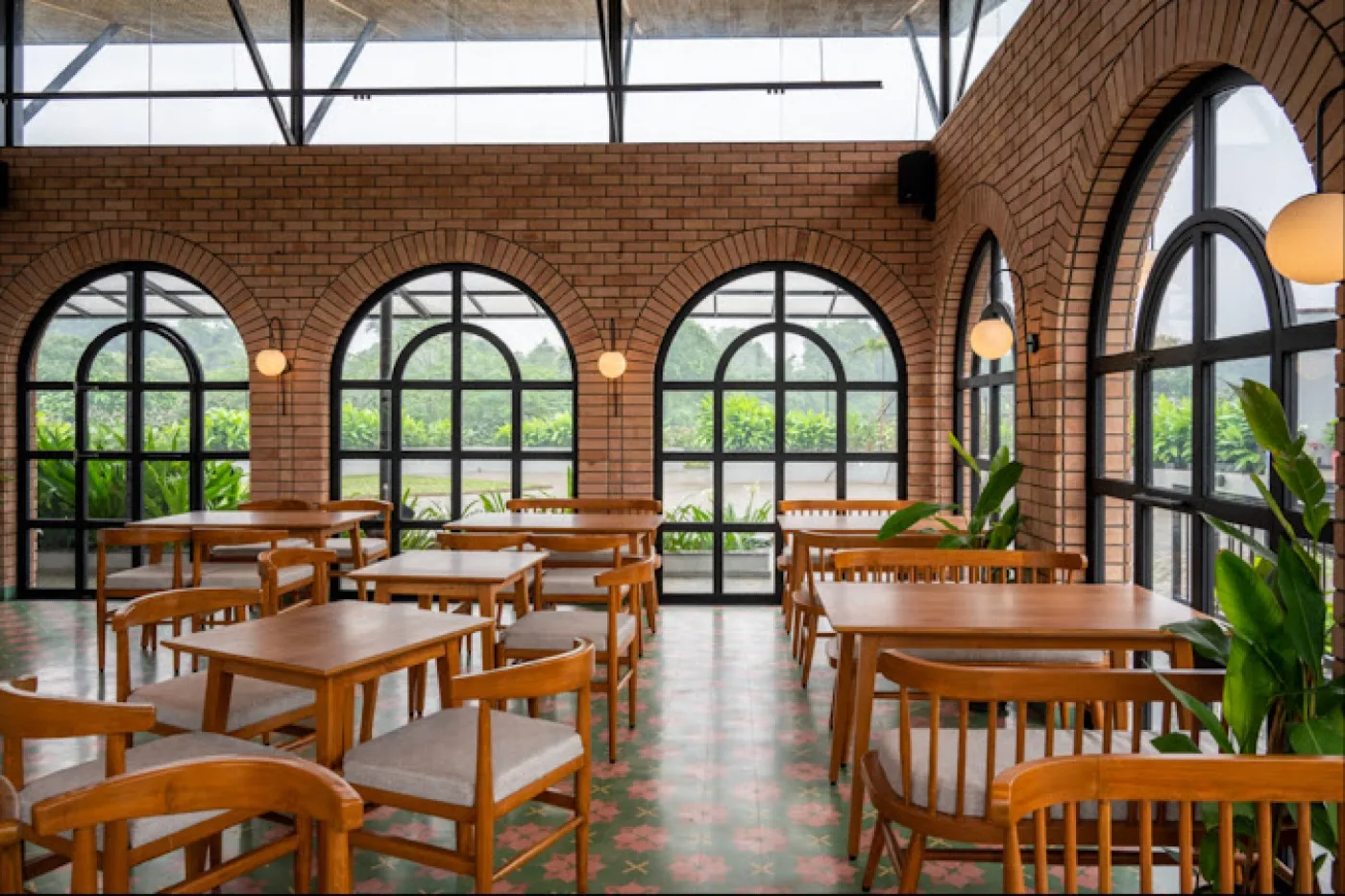
How to Install Brick Cladding Tiles: A Step-by-Step Guide
Learn how to install brick cladding tiles step by step, from wall preparation and tile layout to adhesive application, grouting, and finishing. Discover essential tools, installation tips, common mistakes, and maintenance advice for brick cladding projects with Heritage Bricks.
Read More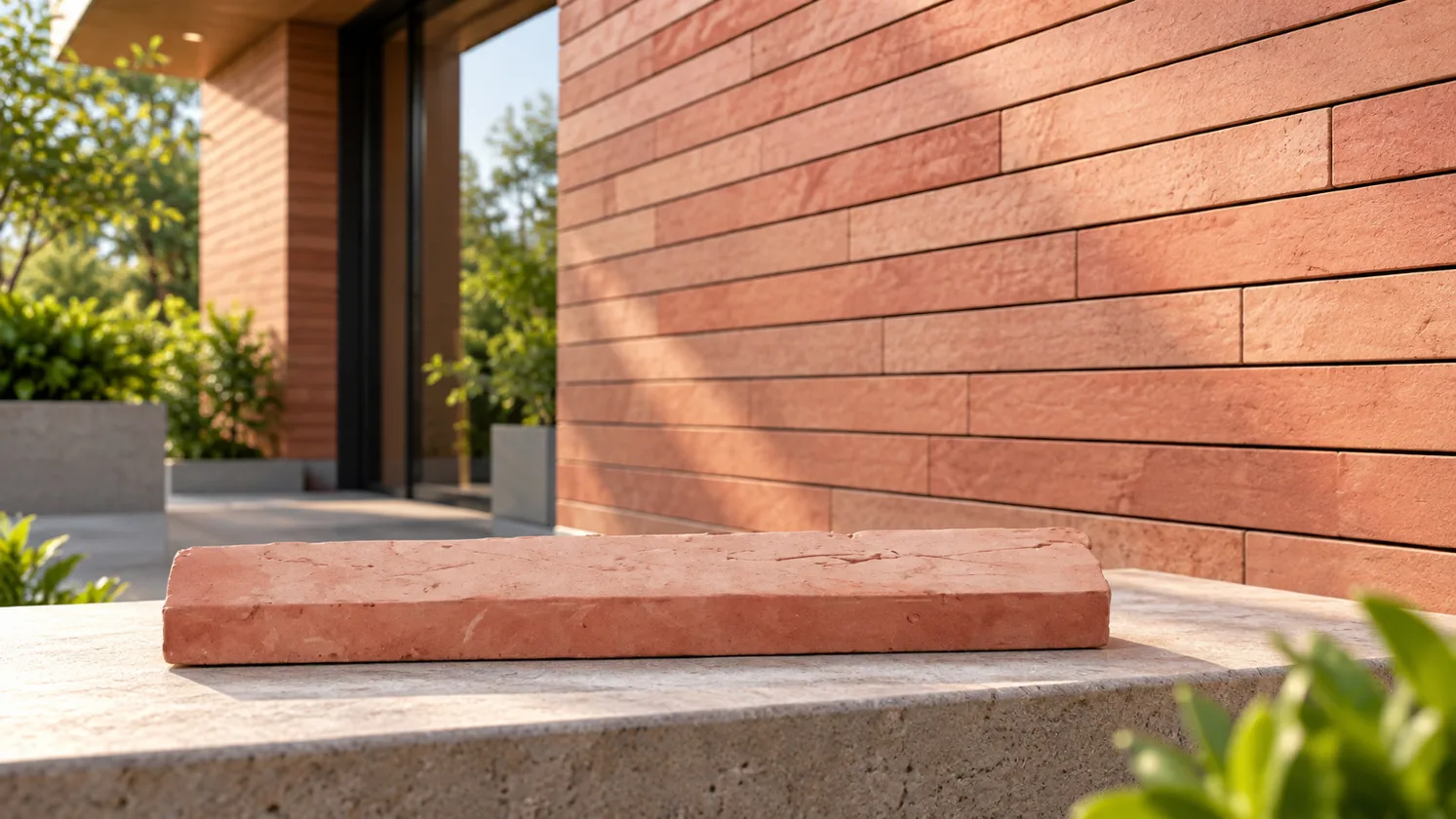
Top Linear Cladding Manufacturer in Bangalore, India – Heritage Bricks
Discover how linear brick cladding enhances modern homes, villas and commercial facades in Bangalore. Explore Heritage Bricks linear cladding colours, finishes, applications and design ideas for distinctive building exteriors.
Read More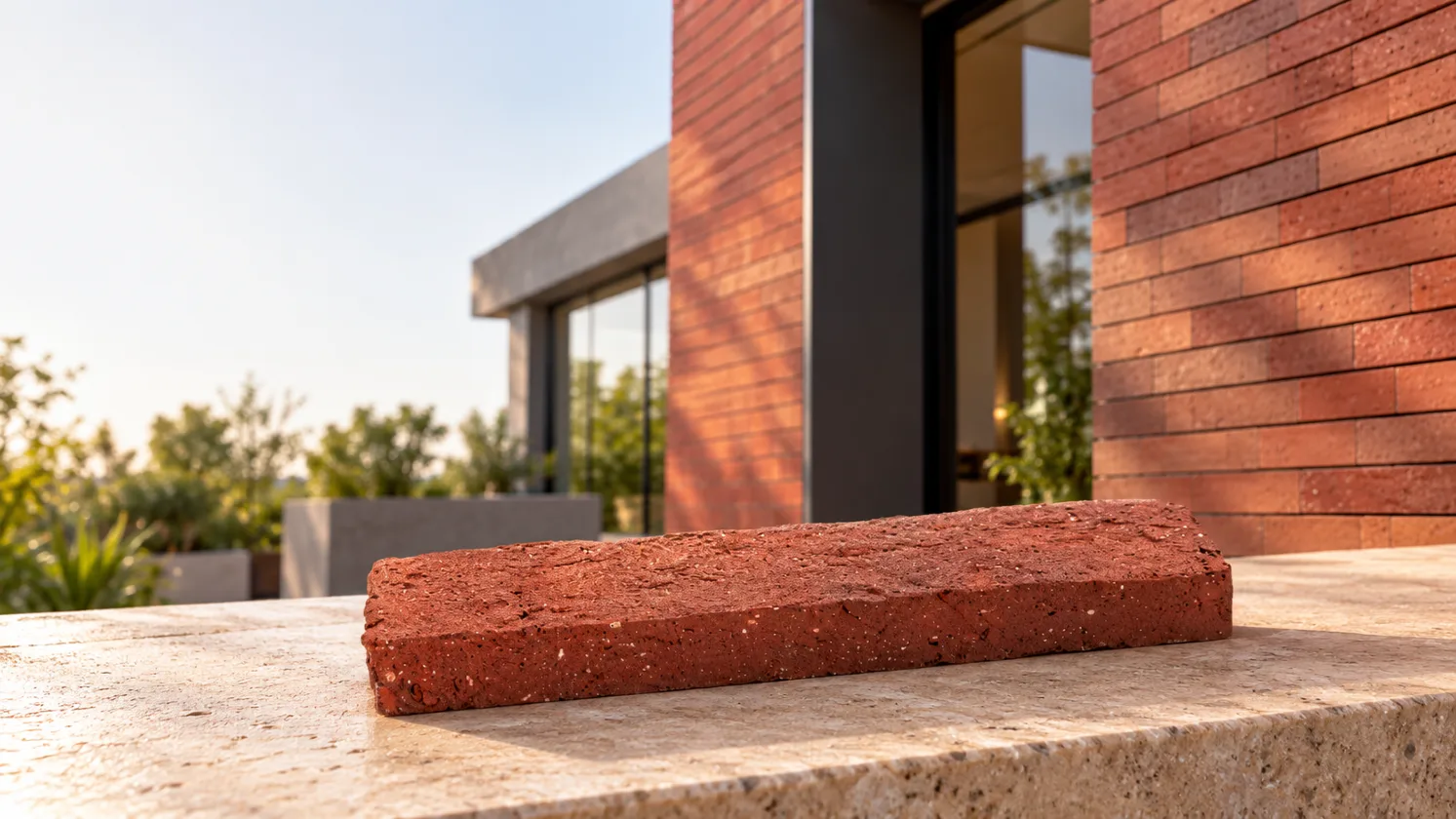
Top Brick Cladding Manufacturer in Bangalore, India – Heritage Bricks
Discover top brick cladding solutions for modern homes and commercial buildings in Bangalore. Explore exposed bricks, linear cladding, and architectural brick finishes from Heritage Bricks.
Read More