
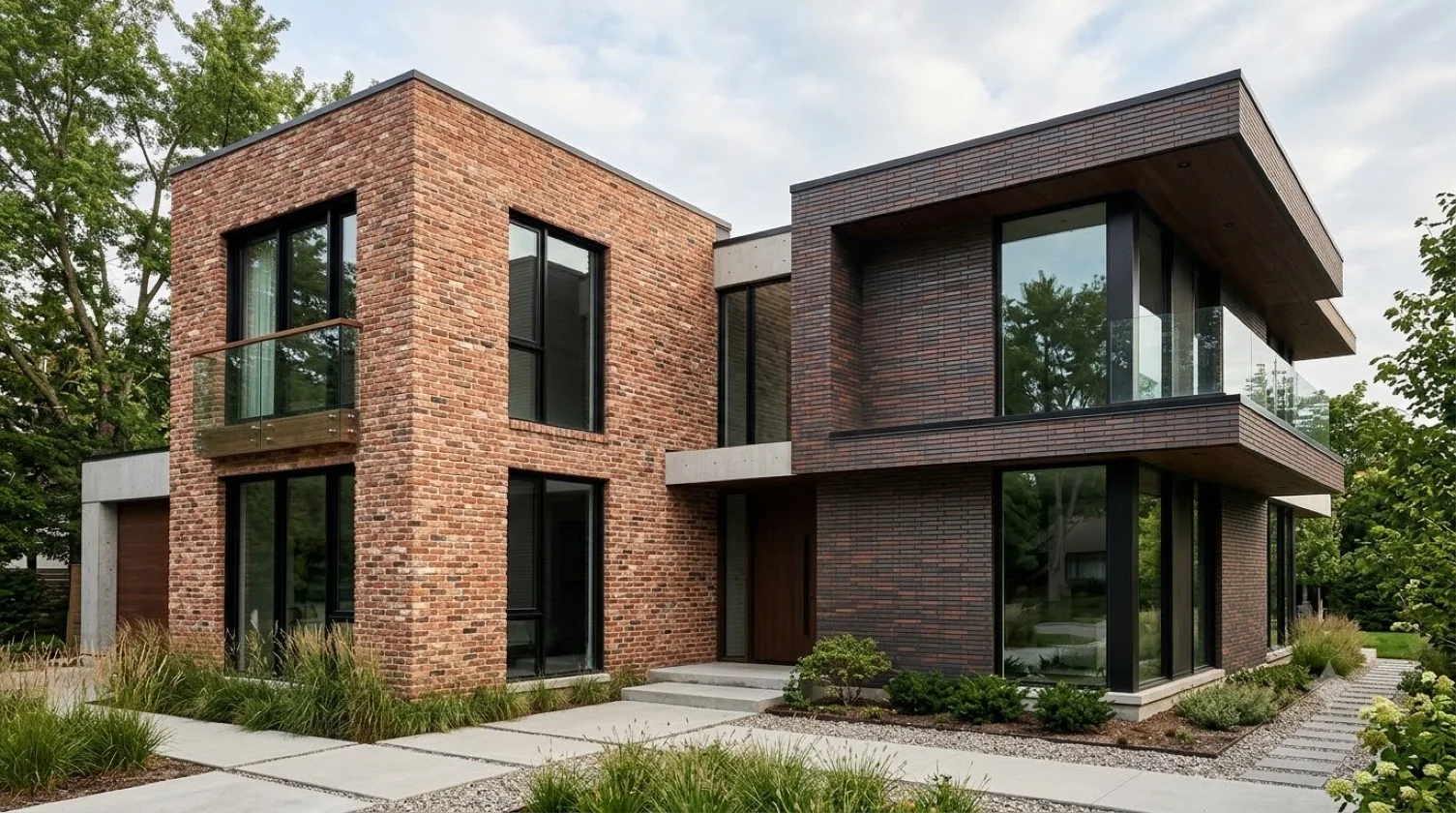
Exposed Brick vs Brick Cladding: Key Differences, Benefits and Design Ideas
When designing a modern home or commercial building, choosing the right wall finish can make a significant difference to its overall appearance. Exposed bricks and brick cladding are popular architectural solutions that bring natural texture, warmth and character to walls. Although both offer an attractive brick finish, their applications and installation methods are different. Understanding the difference between exposed brick and brick cladding helps homeowners, architects and builders select the right option for their projects.
What Is Exposed Brick?
Exposed bricks are bricks that remain visible in the finished wall instead of being covered with plaster or paint. They create a natural and timeless appearance through their colour, texture and brick patterns. Exposed brick walls are commonly used in homes, villas, commercial buildings, cafés and heritage-inspired architecture.
One of the main benefits of exposed bricks is their ability to create a strong architectural identity. Their earthy tones work well with materials such as wood, glass, concrete and metal. They are suitable for designs that focus on natural beauty and a distinctive brick wall appearance.
What Is Brick Cladding?
Brick cladding is a brick-based finishing solution used on suitable wall surfaces to create a decorative architectural finish. Depending on the product, it may be installed as a thin brick facing or as part of a specified cladding system. Installation requirements vary according to the product and supporting wall.
Brick cladding is often used for exterior façades, entrance walls, living rooms, office spaces and feature walls. It provides flexibility for introducing brick textures and colours into selected areas of a building.
Key Differences Between Exposed Brick and Brick Cladding
The primary difference is their application within a building. Exposed bricks are incorporated into wall construction, while brick cladding is generally applied as a surface finish or part of a wall cladding system.
Exposed brick creates a continuous brick wall appearance, whereas cladding can be used to highlight specific areas. Both options offer design flexibility through different colours, textures and patterns. The choice depends on the construction method, installation requirements, project design and intended use.
Benefits and Design Ideas
Exposed bricks are suitable for creating warm, natural exterior walls and timeless architectural designs. Brick cladding can be used to develop attractive feature walls, modern façades and decorative interior spaces. Combining brick finishes with greenery, large windows, concrete and wooden elements can create a balanced contemporary look.
For modern homes, exposed brick can add character to exterior walls, while brick cladding can enhance entrances, living rooms and selected architectural features. Always consider product specifications, substrate suitability, installation methods and maintenance requirements before choosing a solution.
Why Choose Heritage Bricks?
Heritage Bricks offers brick and terracotta solutions for distinctive architectural designs. Explore different exposed brick and wall cladding options to find finishes that complement residential and commercial projects. With carefully selected textures, colours and patterns, brick finishes can bring depth and visual appeal to modern architecture.
Bring the Right Brick Finish to Your Design
Every wall adds character to a building, and choosing the right brick finish helps bring your architectural vision to life. Whether you prefer the timeless beauty of exposed bricks or the design flexibility of brick cladding, the right choice can transform your space. Explore the premium brick and terracotta solutions from Heritage Bricks
and discover finishes that complement your home's style and architectural needs.
Related Posts
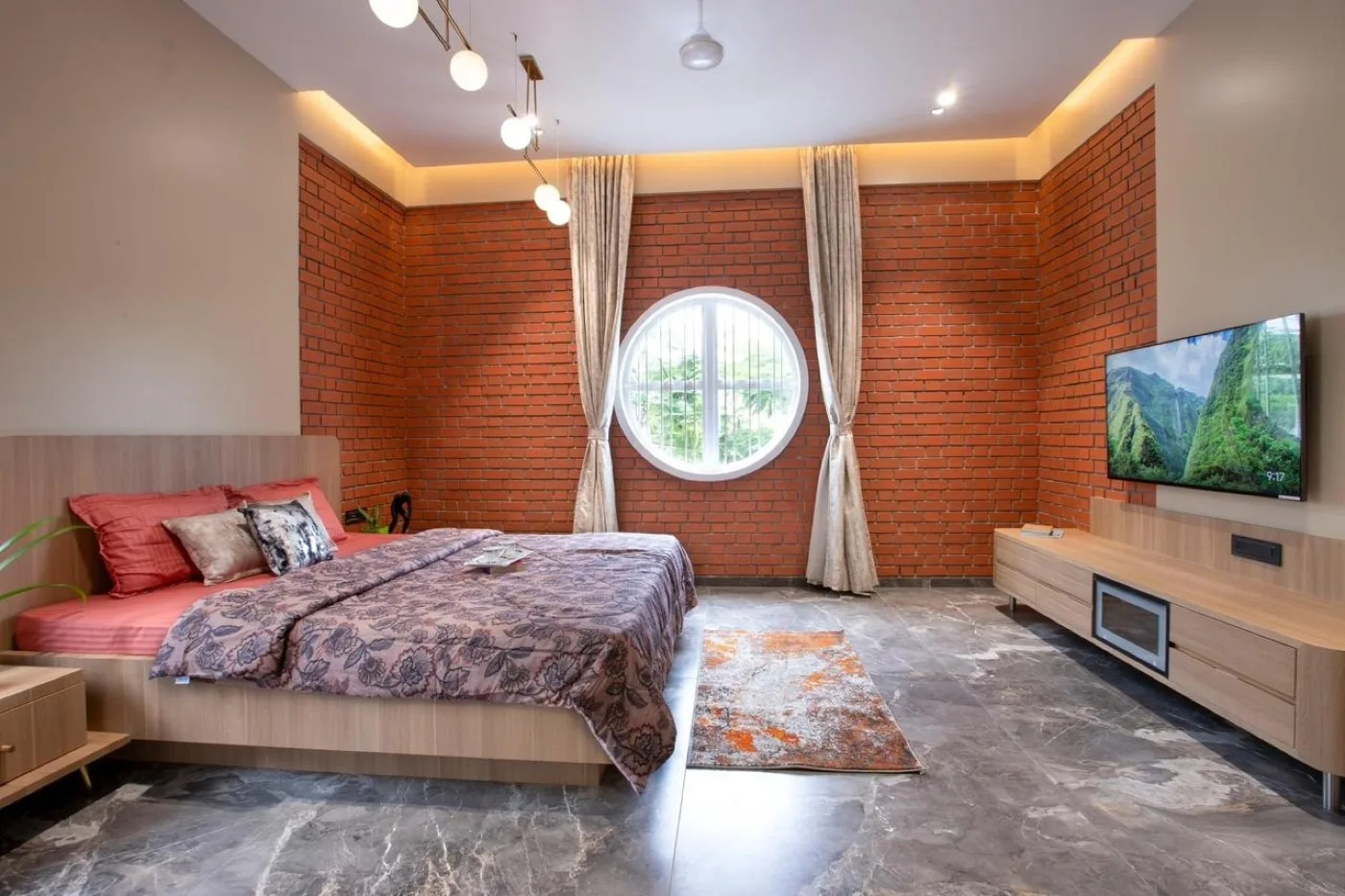
Architectural Bricks in Chennai: Designs, Types and Applications for Modern Buildings
Discover architectural bricks in Chennai for modern homes and commercial buildings, including exposed bricks, wall cladding, linear designs and Jali solutions.
Read More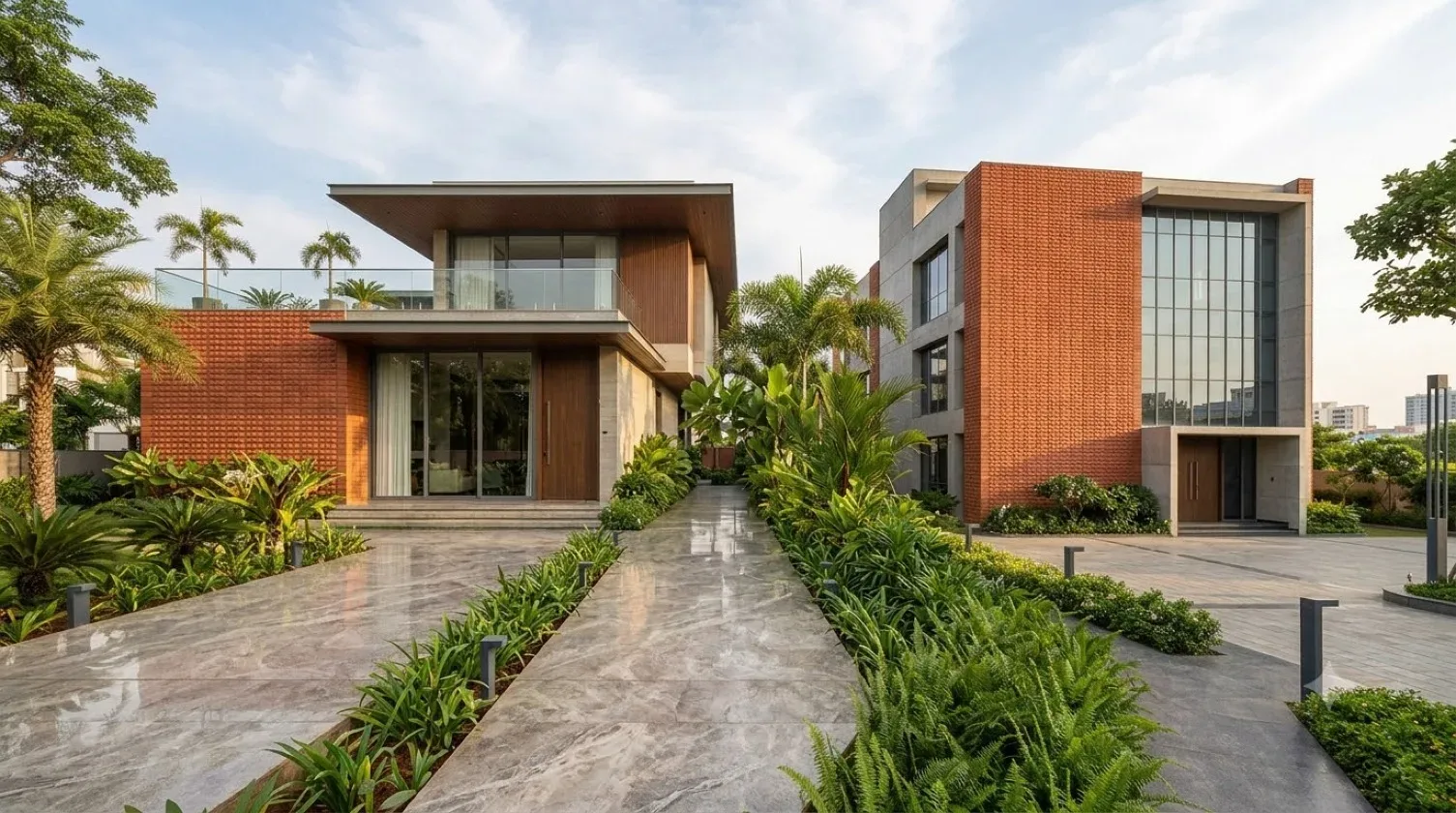
Premium Clay Bricks Manufacturer in Chennai for Residential and Commercial Projects
Discover premium clay bricks from a trusted clay bricks manufacturer in Chennai, offering quality brick solutions for residential, commercial, and modern architectural projects.
Read More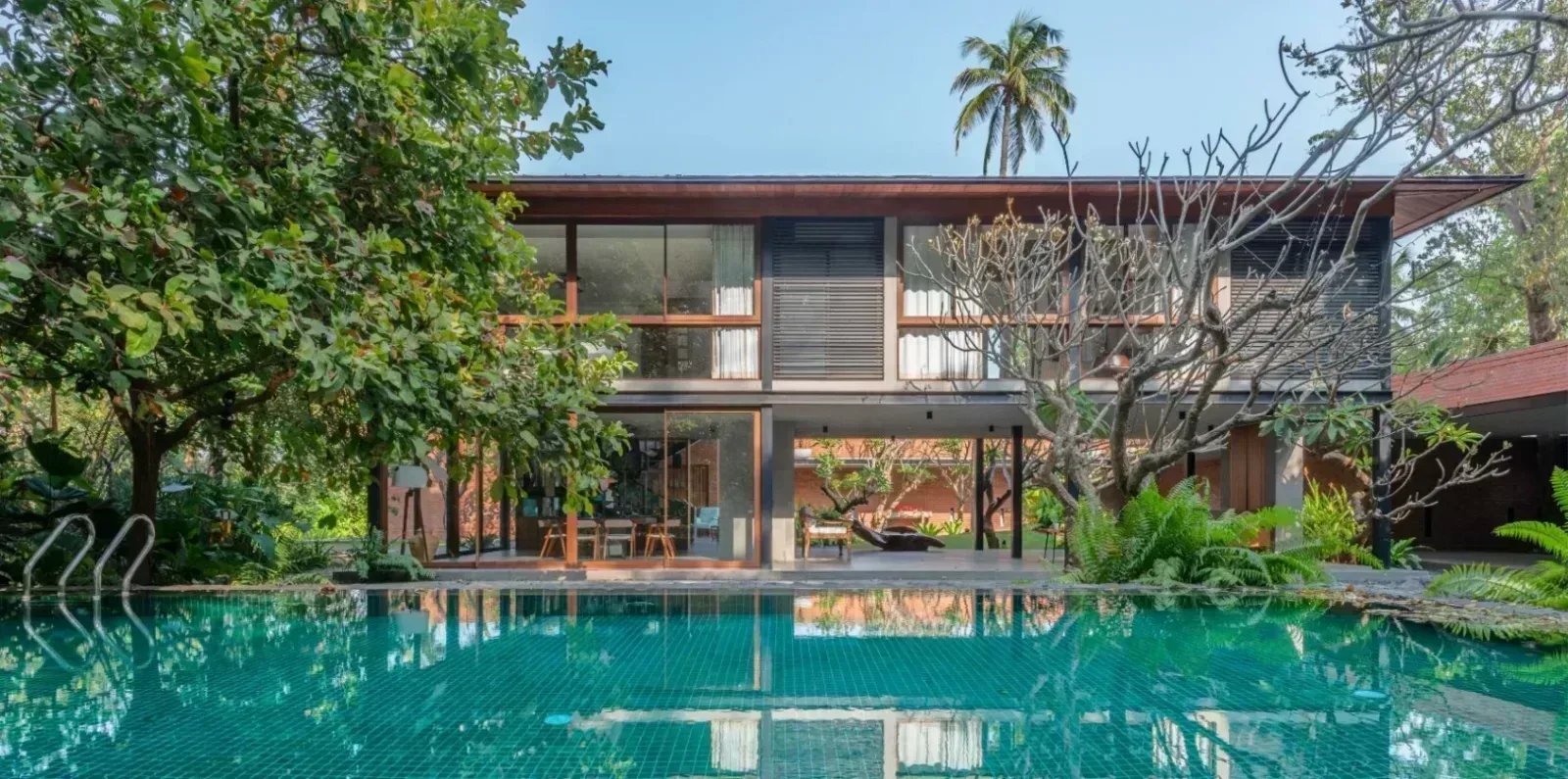
Exposed Bricks in Chennai: A Timeless Choice for Modern Building Designs
Discover how exposed bricks in Chennai can add natural warmth, texture, and timeless character to modern homes and buildings. Explore the benefits, design ideas, and tips for choosing the right exposed bricks for your architectural project.
Read More