
Benefits of Terracotta Bricks for Residential Architecture
A home is more than just a structure. Its materials, colours, textures, and architectural details all contribute to the way it looks and feels. Today, homeowners and architects are looking for building materials that can combine modern design with natural character. Terracotta bricks are becoming a popular choice for residential architecture because they bring warmth, texture, and a timeless appearance to homes.
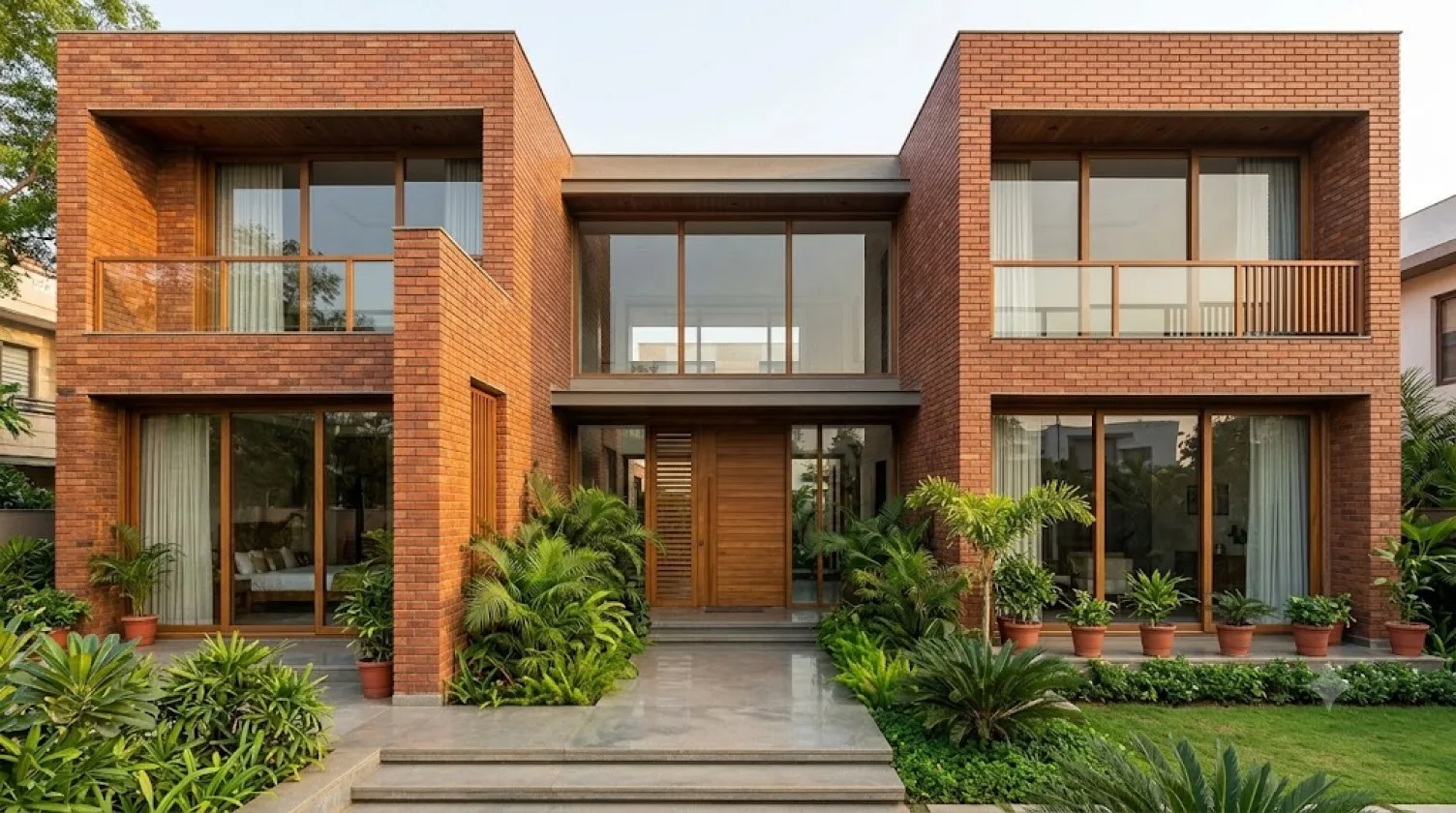
Terracotta bricks can be used in many parts of residential design, from exterior walls and facades to feature walls, partitions, compound walls, and selected architectural details. Their earthy appearance works beautifully with modern materials such as glass, wood, concrete, and metal. Whether the goal is a contemporary home or a design inspired by traditional architecture, terracotta bricks can add a distinctive visual identity.
What Are Terracotta Bricks?
Terracotta bricks are clay-based architectural products known for their warm earthy appearance and natural-looking colour tones. They can be used to create attractive wall surfaces while adding texture and depth to a building.
Modern terracotta brick designs are available in different shapes, sizes, patterns, finishes, and colours. This gives architects greater flexibility when creating residential facades and interiors.
Instead of using the same finish throughout a home, terracotta bricks can be introduced selectively to create contrast and highlight important architectural areas.
1. Adds Warmth and Natural Character
One of the biggest benefits of terracotta bricks is their warm and earthy appearance. Shades of red, orange, brown, and other natural tones can make a home feel welcoming and connected to its surroundings.
Modern homes often use glass, concrete, and metal, which can sometimes create a very sharp appearance. Terracotta bricks can soften this look by introducing a natural material and warmer colour palette.
A terracotta feature wall near the entrance, for example, can immediately make a contemporary home feel more inviting.
2. Creates Attractive Exterior Facades
The exterior facade is one of the most important visual elements of a home. It creates the first impression and defines much of the property's architectural style.
Terracotta bricks can be used across selected facade areas to create texture and visual depth. They can also be combined with painted walls, large windows, wooden elements, and landscaping.
For a modern residential facade, designers can use terracotta bricks around the entrance, balcony, staircase, or upper-level walls. This creates visual contrast without making the exterior look overly complicated.
3. Offers Versatile Design Options
Terracotta bricks are not limited to one particular architectural style. They can work with contemporary, minimalist, traditional, rustic, and modern Indian homes.
Different brick patterns and colours can create completely different appearances. Simple brick arrangements can provide a clean architectural look, while textured or specially shaped bricks can become decorative design elements.
This versatility makes terracotta bricks useful for both large facade surfaces and smaller feature areas.
4. Works Well with Modern Materials
Good residential architecture often combines multiple materials rather than depending on one surface.
Terracotta bricks pair naturally with materials such as:
- Glass
- Wood
- Concrete
- Metal
- Natural stone
- Neutral painted surfaces
- Green landscaping
For example, a modern home can combine a terracotta brick wall with large glass windows and wooden accents. The result can feel contemporary while still maintaining a natural and welcoming character.
5. Adds Texture and Depth
A plain wall provides a flat visual surface. Terracotta bricks introduce joints, patterns, textures, and shadows that make the wall more interesting.
When sunlight falls across a brick facade, the surface creates subtle changes in light and shadow throughout the day. This can make the architecture appear more dynamic.
Texture is particularly useful in modern residential design, where simple geometric forms can benefit from a strong material feature.
6. Suitable for Feature Walls
Terracotta bricks do not need to cover the entire house. They can be used strategically to create feature walls.
Popular residential applications include:
- Main entrance walls
- Living room feature walls
- Balcony walls
- Staircase areas
- Porch walls
- Courtyard walls
- Compound walls
- Outdoor seating areas
Using terracotta bricks in selected areas can create a strong focal point while keeping the overall design balanced.
7. Complements Landscaping
Architecture and landscaping work best when they feel connected. The earthy tones of terracotta bricks naturally complement plants, trees, stone pathways, and outdoor spaces.
A terracotta wall beside a garden can create a warm transition between the built environment and greenery. Similarly, brick surfaces around courtyards, verandas, and outdoor seating areas can create a comfortable and natural atmosphere.
This makes terracotta a useful material for homes that want a strong connection with outdoor spaces.
8. Brings Timeless Appeal
Interior and exterior design trends change over time. A material with a strong natural character can help a home maintain its visual appeal for many years.
Terracotta has been associated with architecture for generations, but its earthy appearance also works well with contemporary designs. This combination of traditional material character and modern application gives terracotta bricks a timeless quality.
Instead of following a short-term design trend, homeowners can use terracotta to create a more enduring architectural style.
9. Supports Creative Architectural Design
Modern terracotta brick collections can include different colours, shapes, profiles, and patterns. This allows architects and designers to explore creative ideas.
Bricks can be arranged in different orientations or combined with other architectural elements to create visual patterns. Special-shaped bricks can also be used where a project requires distinctive design details.
This gives designers more freedom to create a home that feels individual rather than following a standard exterior design.
10. Suitable for Different Residential Spaces
Another advantage of terracotta bricks is their flexibility across different areas of a residential property.
They can be considered for:
Exterior Facades: Create a distinctive and textured appearance.
Entrance Areas: Make the main entry visually attractive.
Interior Feature Walls: Add warmth and architectural character to selected indoor spaces.
Courtyards: Connect the architecture with outdoor areas.
Compound Walls: Give boundary walls a more finished and designed appearance.
Balconies and Outdoor Areas: Add natural texture to open spaces.
The exact product and installation method should always be selected according to the intended application and project requirements.
How to Choose Terracotta Bricks for Your Home
Before selecting terracotta bricks, consider the overall architectural style of your home. Look at the colours already used for windows, doors, flooring, roofing, and other exterior materials.
Think about whether you want the brick to become the main feature or simply complement the architecture. Colour, texture, pattern, size, and placement can all influence the final appearance.
It is also important to choose suitable products for the intended location and discuss installation requirements with experienced professionals.
Give Your Home a Distinctive Look with Terracotta
The right architectural material can completely change the character of a home. Terracotta bricks offer warmth, texture, colour, versatility, and timeless appeal, making them an attractive option for residential architecture.
From modern house facades and entrance walls to courtyards, feature walls, and outdoor spaces, terracotta bricks can be used in many creative ways. Their natural earthy appearance also works beautifully alongside glass, wood, concrete, greenery, and other contemporary materials.
If you are planning a new home or renovating an existing property, exploring terracotta brick designs can help you create a residential space that feels modern, welcoming, and visually distinctive. With thoughtful selection and placement, terracotta bricks can become more than just a building material—they can become an important part of your home's architectural identity.
Related Posts
Best Terracotta Bricks Suppliers in Chennai – How to Choose the Right One
Find the best terracotta bricks suppliers in Chennai with Heritage Bricks. Explore brick quality, pricing, designs and expert tips for choosing the right bricks for your project.
Read More
Terracotta Cladding Tiles Price in Chennai 2026 – Per Sq Ft Rate Guide
Discover terracotta cladding tiles price in Chennai for 2026 with Heritage Bricks. Explore high-quality clay cladding options, compare per sq. ft. rates, understand installation costs, and find affordable solutions for modern home exteriors and commercial projects.
Read More
Choosing Eco Friendly Building Materials for Sustainable Construction
Discover how eco friendly building materials in India can support sustainable construction, while terracotta bricks bring natural beauty, durability, and timeless character to modern architecture.
Read More