
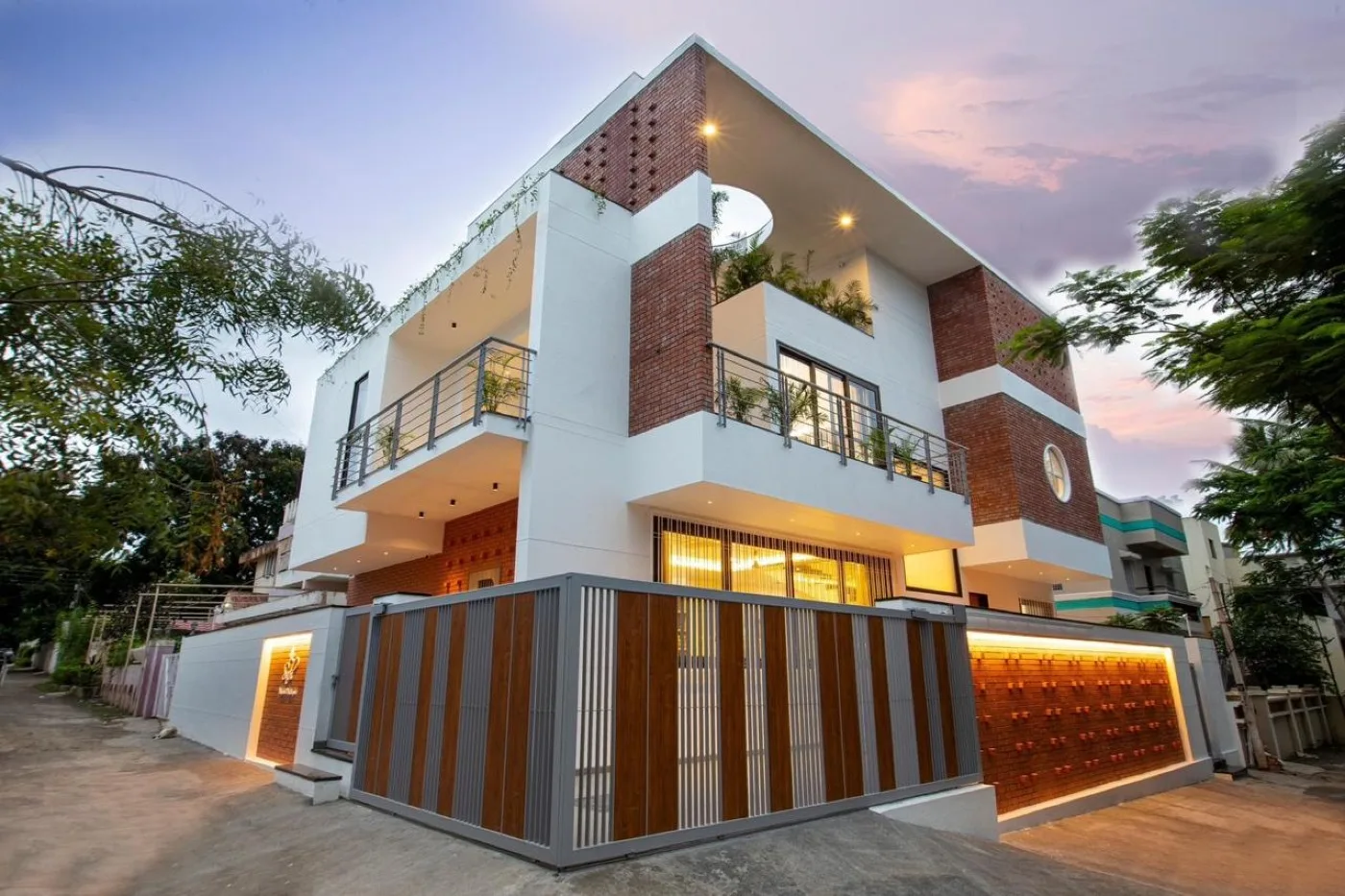
Brick Cladding Installation Process for Modern Homes and Commercial Buildings
Brick cladding is a popular choice for adding warmth, texture, and architectural character to modern homes and commercial buildings. It creates the appearance of natural brickwork while offering design flexibility for both interior and exterior walls. From residential feature walls to commercial building facades, brick cladding helps transform ordinary surfaces into attractive architectural spaces. Understanding the brick cladding installation process is important for achieving a neat, durable, and visually appealing finish.
Step 1 Prepare the Wall Surface
The first step in brick cladding installation is preparing the wall surface. The substrate should be clean, stable, and suitable for the selected cladding system. Dust, loose materials, moisture issues, and uneven areas should be addressed before installation begins. A properly prepared surface helps improve adhesion and supports a consistent finish. The installation method may vary depending on the wall material, location, and type of cladding selected.
Step 2 Plan the Cladding Layout
Before fixing the bricks, the installation team plans the layout of the cladding. This includes checking wall dimensions, brick sizes, patterns, corners, openings, and joint spacing. Proper planning helps reduce material wastage and creates a balanced appearance. Different brick colours and textures can be arranged to complement the building's overall design. Careful measurements are especially important for large residential and commercial projects.
Step 3 Apply the Suitable Installation Material
The appropriate adhesive, mortar, or mechanical fixing system should be selected according to the cladding product and project requirements. The manufacturer's installation instructions and site conditions should guide material selection. Experienced installers ensure that the fixing method is compatible with the substrate and suitable for the intended application. Correct application supports better alignment and long-term performance.
Step 4 Install the Brick Cladding
Once the surface and layout are ready, the brick cladding is installed systematically across the wall. Each piece is positioned carefully to maintain consistent alignment, spacing, and pattern. Installers pay attention to corners, edges, windows, and doors to achieve a clean architectural finish. Regular checks during installation help identify uneven placement and maintain the desired design.
Step 5 Complete Joint Finishing and Cleaning
After the cladding is installed, joints and edges are finished according to the selected design. Any required grouting or pointing should follow the product specifications. The wall surface is cleaned carefully to remove installation residue without damaging the brick finish. Proper finishing enhances the overall appearance and helps the completed wall look neat and professional.
Brick Cladding Design Applications
Brick cladding can be used in living rooms, entrance walls, exterior facades, office buildings, restaurants, retail spaces, and hospitality projects. Terracotta and architectural brick finishes provide opportunities to create warm, contemporary, rustic, or distinctive design styles. Choosing the right colour, texture, and pattern allows architects and property owners to develop a wall finish that complements the surrounding architecture.
Why Choose Heritage Bricks?
Heritage Bricks offers a range of architectural brick products and cladding designs for residential and commercial applications. Our collection includes extruded cladding, linear cladding, and table mould cladding in different colours, textures, and finishes. These options help architects, designers, and property owners explore creative wall design solutions.
From selecting a suitable brick style to planning an attractive architectural finish, the right cladding product can add character to your project. Explore the Heritage Bricks collection to discover brick cladding options for your next building or interior design project.
Bring Natural Character to Your Architecture with Heritage Bricks. Visit Heritage Bricks to explore our products and learn more about our brick cladding solutions.
Related Posts
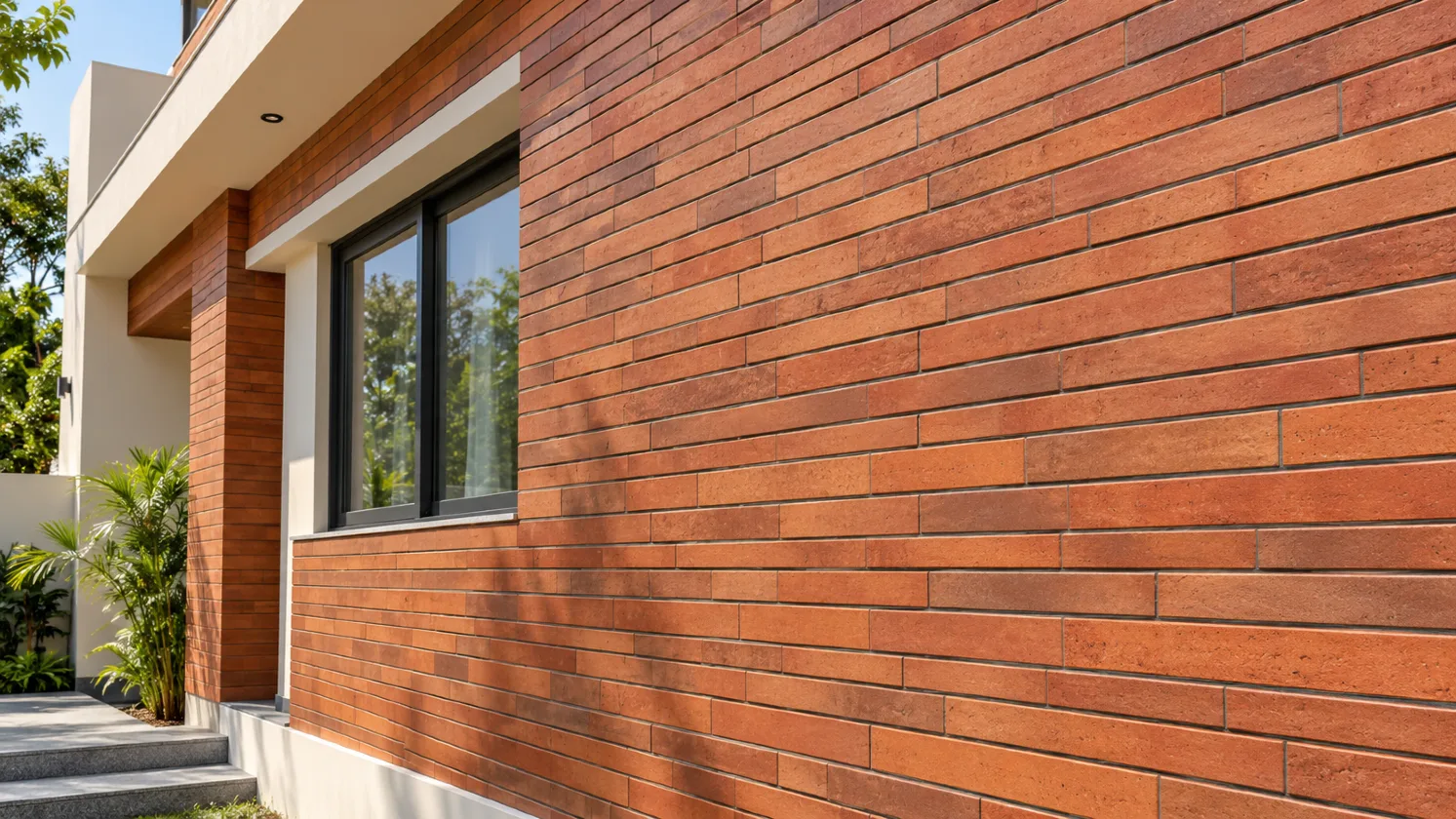
Transforming Chennai Building Exteriors with Long Format Brick Cladding
Discover how long format brick cladding transforms Chennai building exteriors with contemporary linear patterns, natural textures and versatile applications for homes and commercial spaces.
Read More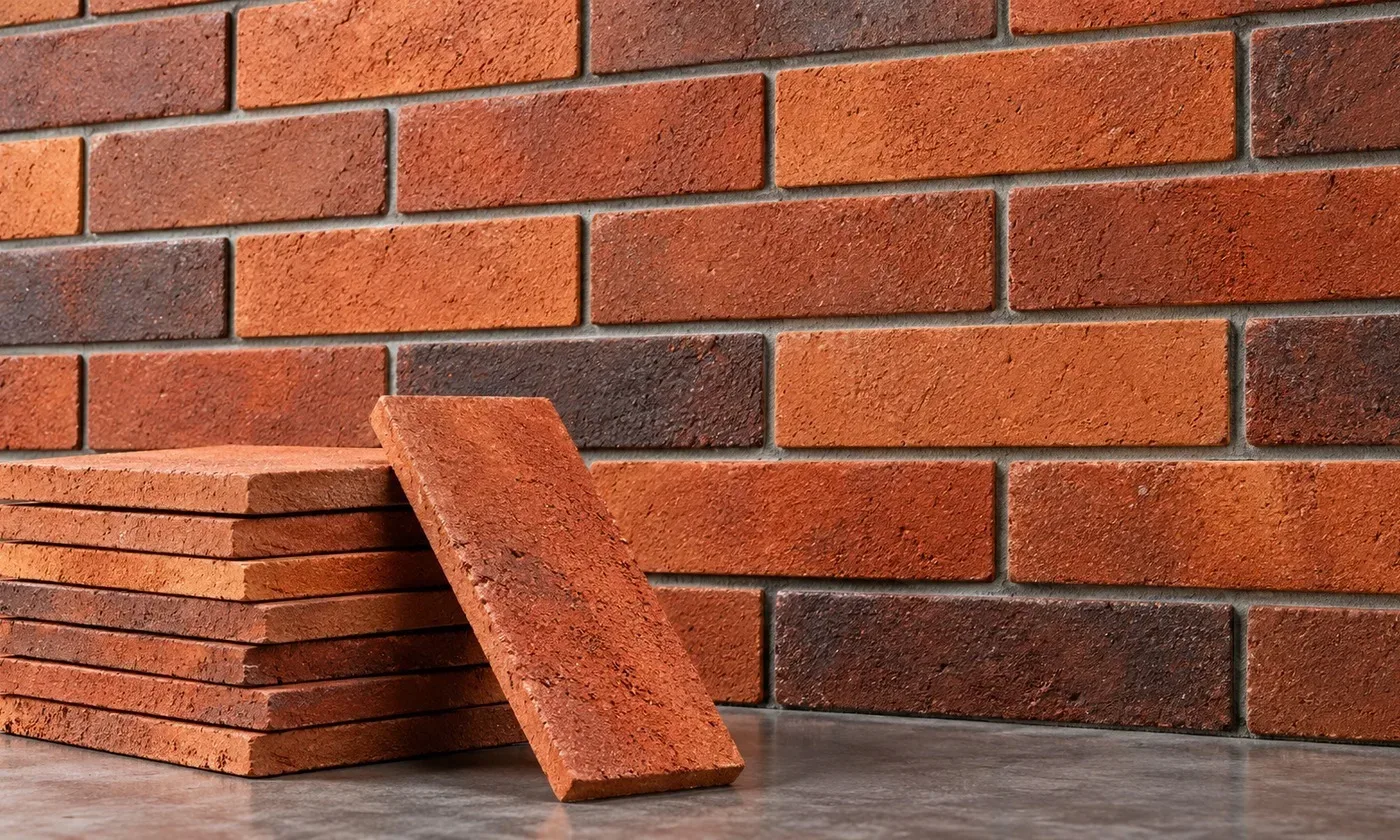
What Determines Brick Cladding Cost Per Sq Ft in Chennai for Building Exteriors?
Discover the key factors that determine brick cladding cost per sq ft, including material type, colour, finish, wall area and installation charges. Explore brick cladding options with Heritage Bricks for modern building exteriors.
Read More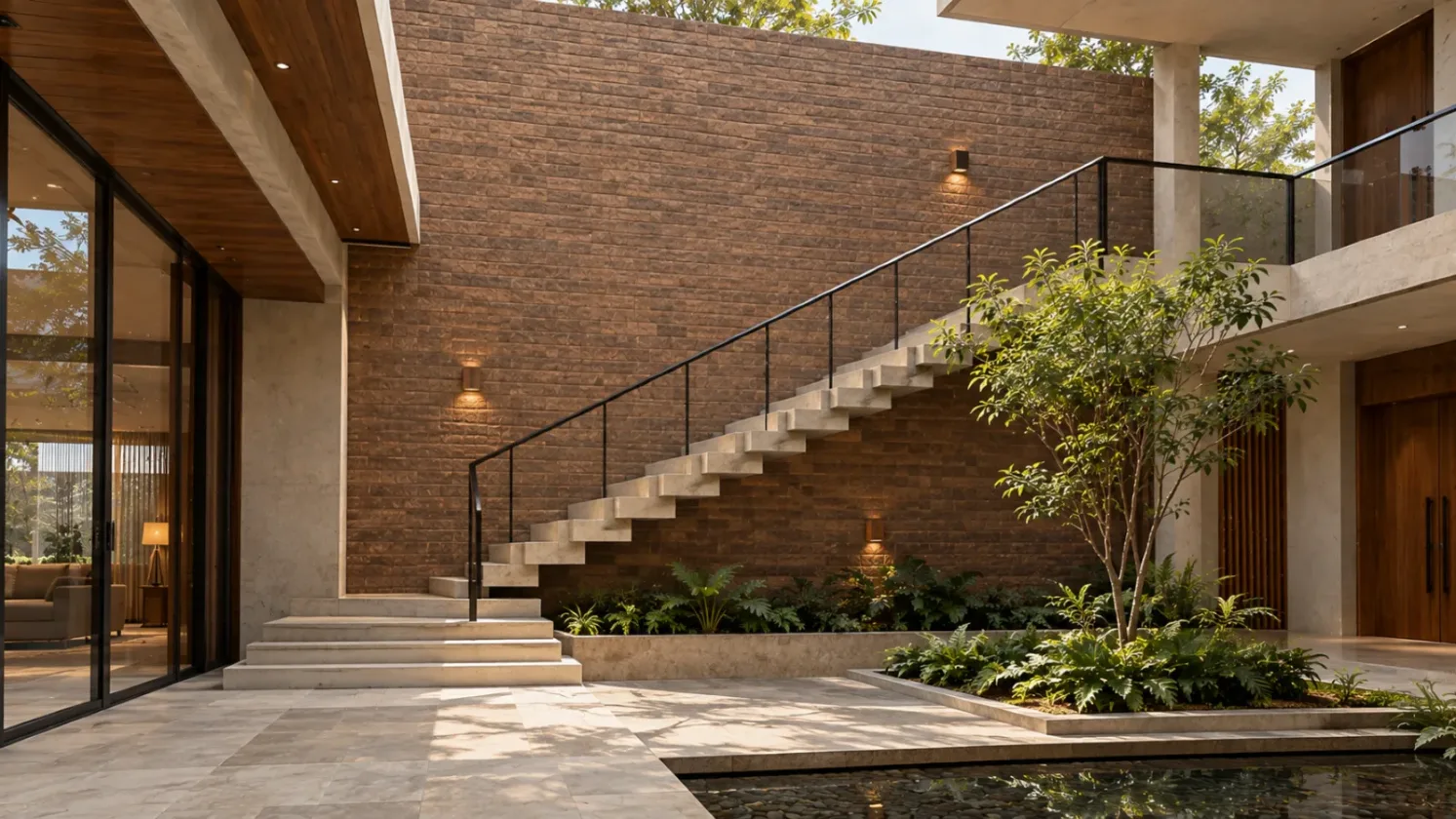
Facade Cladding Materials in Chennai for Modern Homes and Buildings
Explore popular facade cladding materials in Chennai and discover how brick and terracotta cladding can create stylish, durable and distinctive modern building exteriors.
Read More